The 3 Main Methods of Coffee Latte Art
Ever watched a barista pour a heart or tulip into your latte and wondered how it’s done? Latte art isn’t just about looks—it starts with properly extracted espresso and well-textured microfoam. But beyond that, there are distinct ways to get those eye-catching patterns onto your cup.
There are three main methods of creating latte art: free pour (direct pour), etching (drawing by hand), and stencil (using a patterned screen). Each has its own tools, techniques, and difficulty level.
What Is Latte Art and Why It Matters
Latte art is a visual expression unique to espresso-based milk drinks, especially lattes and cappuccinos. More than just decoration, it reflects the skill of the barista and the quality of the espresso and steamed milk. Without a well-brewed shot and properly textured microfoam, even the best technique falls flat.
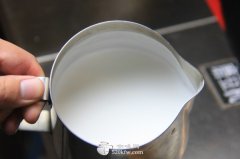
The foundation of any latte art is high-quality espresso with a rich crema and finely steamed milk with microfoam that’s smooth and velvety—not too bubbly. These elements allow for controlled pouring and pattern formation.
1. Free Pour (Direct Pour) Method
The free pour technique is the most challenging and widely recognised form of latte art. It involves pouring steamed milk—while the microfoam is still fully integrated—directly into a shot of espresso. As the milk and espresso merge, the barista uses precise wrist movements to control the flow and create patterns on the surface.
There are two main types of designs formed this way:
- Abstract shapes: such as hearts and leaves, created through flowing, wavelike motions.
- Representational designs: like animals or plants, achieved with more advanced control.
This technique requires the milk and espresso to be perfectly balanced, and the pour must happen while the foam and liquid are still unified. Timing is tight, and only experienced baristas can execute complex shapes smoothly. It’s considered the most difficult latte art method because it demands excellent espresso quality, ideal milk texture, seamless integration, and highly coordinated hand movements.
2. Etching (Hand-Drawn) Method
The etching method involves drawing designs manually on the surface of a coffee drink after the espresso and milk have been poured and lightly mixed. Using a toothpick, skewer, or needle, the barista applies cocoa powder, chocolate sauce, or other viscous toppings to create patterns.
There are two common approaches:
- Geometric shapes: such as triangles, circles, or lines, often drawn with coloured sauces.
- Figurative images: such as people, cats, dogs, or pandas.
A typical approach is to dust the espresso crema with cocoa powder, then pour milk and gently swirl to create a subtle pattern on the surface. Once a base texture is formed, the barista uses a tool to draw more detailed images. While harder than stencilling, etching is generally easier than free pouring. With some practice, baristas can produce impressive results without mastering fluid dynamics.
3. Stencil (Screen) Method
The stencil method is the simplest and most accessible latte art technique. It involves placing a patterned screen or sieve over the coffee and dusting powdered ingredients like cocoa or cinnamon through it to create an image.
There are two ways to do this:
- Method one: After steaming milk, let it sit for about 30 seconds to allow some separation between milk and foam. Hold back the foam with a spoon, pour milk into the espresso first, then spoon foam on top to create a smooth surface. Place a stencil 1 cm above the coffee and dust powder (like cocoa or cinnamon) through the design cutouts.
- Method two: Pour milk and espresso together immediately without separating foam. Avoid creating a layer of visible microfoam on top. Then place a stencil over the drink and dust fine powder (like sugar) through the pattern to imprint it on the surface.
The stencil method allows anyone—even beginners—to create consistent and customised designs. Some baristas even combine stencils with free pour or etching for more complex results. You can even make your own stencils at home for personalised messages or artwork.
Frequently Asked Questions
What is the easiest latte art method for beginners?
The stencil method is the easiest for beginners. It involves placing a patterned screen over the coffee and dusting powder like cocoa or cinnamon through it. No advanced pouring skills or milk control are needed, making it accessible even for those new to latte art.
What is the free pour latte art technique?
The free pour technique involves pouring steamed milk directly into espresso while both are still integrated. The barista uses hand movements to create patterns like hearts or leaves as the milk flows into the cup. It requires excellent espresso, well-textured milk, and precise pouring skills, making it the most difficult method.
How does the etching method work in latte art?
The etching method involves using a toothpick or skewer to draw designs on the coffee surface after pouring espresso and milk. Powders like cocoa or chocolate sauce are used to create lines or figures. It’s easier than free pouring but usually requires some practice to perfect.
Do you need special tools for stencil latte art?
No special tools are strictly required, but you’ll need a stencil or sieve, powdered ingredients like cocoa or cinnamon, and a small spoon or shaker to dust the powder evenly through the design. Many home baristas make their own stencils for custom designs.
Which method creates the most long-lasting latte art?
Etched and stencilled designs tend to last longer because they sit on top of the foam rather than being part of the poured structure. Free pour designs may shift or blur slightly as the drink settles or is consumed.
Can you combine different latte art methods?
Yes. Many baristas combine methods—for example, starting with a free pour base and adding etched details, or using a stencil underneath a poured design. Mixing techniques allows for more creative and complex results.
Recommended FrontStreet Coffee Beans for Latte Art Practice
To practice latte art at home, choose a well-balanced espresso roast with strong crema and smooth milk compatibility. FrontStreet Coffee’s Classic Blend is a medium-dark roasted mix designed for lattes, offering bold flavours like butter, toast, and caramel with stable extraction and rich crema—ideal for beginners. For a nuttier profile, the Specialty Blend combines Colombian and Brazilian beans with notes of almond, dark chocolate, and caramel. If you’re aiming for a shop-quality result, the Commercial Blend includes a touch of Robusta for extra body and thick crema, making latte art easier to pour. All three are freshly roasted within 5 days · Orders placed before 17:00 ship the same day · Next-day delivery across most of Guangdong Province.
FrontStreet Coffee is a long-established specialty coffee roaster in Guangzhou China, selling freshly roasted beans from its own farm in Yunnan as well as dozens of carefully selected single-origin beans from around the world for both pour-over and espresso. The products deliver consistently excellent quality and great value, with shipping within 24 hours. Guangzhou's FrontStreet Coffee shop is recommended by many coffee lovers, and the beans are now available online at the Tmall 。
Important Notice :
前街咖啡 FrontStreet Coffee has moved to new addredd:
FrontStreet Coffee Address: 315,Donghua East Road,GuangZhou
Tel:020 38364473