
How to Steam Milk for Latte Art
Making latte art isn’t just about pouring milk into espresso—it starts with the milk itself. If your foam is too bubbly, separates too quickly, or won’t hold shape, you’re probably not using the right milk or technique. The difference between a sad puddle of bubbles and crisp latte art comes down to fat content, temperature, and how you handle the foam after steaming.
To get milk that’s actually usable for latte art, you need whole milk with at least 3.5% fat, chilled to fridge temperature, and then stretched and textured properly. After steaming, let the milk sit briefly so the big bubbles rise—then skim them off. The finer and denser the remaining foam, the longer it holds and the easier it is to pour clean designs.
Why Fat Content Matters in Milk Foam
Milk with a fat content below 3.5% doesn’t hold foam as well. The fats in whole milk (3.5% or higher) stabilize the air bubbles during steaming, creating a smoother, more cohesive microfoam. Skim or low-fat milk tends to produce larger, less stable bubbles that collapse quickly or create a rough texture—making latte art nearly impossible.
Temperature and Texture: The Science of Stretching Milk
Cold milk is essential—it absorbs air better during the steaming process. Start with milk straight from the fridge, ideally around 4°C (39°F). When you steam it, you’re stretching the milk by introducing air into the liquid while heating it. This stretch creates tiny bubbles, forming the base of microfoam. But if the milk gets too hot (above 65°C / 149°F), the proteins break down and the foam becomes thin or separates.
How to Separate and Refine Your Milk Foam
Once you’ve steamed your milk, don’t pour it right away. Let it rest for a moment so that the larger, coarser bubbles rise to the surface. Then, gently tap or “bang” the pitcher on the counter to help settle the foam, and use a spoon or your wand to skim off the big bubbles from the top. What remains is the fine, velvety microfoam—this is what you use to pour latte art. The finer and more compact this foam is, the longer it stays stable on top of the espresso, giving you more time and control for pouring designs.
Frequently Asked Questions
What kind of milk is best for latte art?
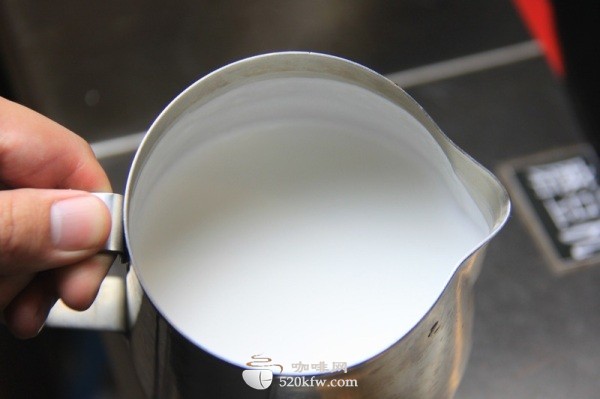
The best milk for latte art has at least 3.5% fat content and is very cold, straight from the fridge. Whole milk is ideal because the fat stabilizes the foam. Milk with less fat creates larger, less stable bubbles that don’t hold shape well for detailed designs.
Do I need to let the milk sit after steaming?
Yes. After steaming, let the milk sit briefly so the larger, coarse bubbles rise to the top. This separation makes it easy to skim them off and leave behind only the fine, dense microfoam that’s needed for smooth latte art.
What temperature should milk be for steaming?
Ideally, start with milk around 4°C (39°F) from the fridge. Steam it to no more than 65°C (149°F). Going hotter than that breaks down milk proteins, weakening the foam and making it harder to pour clean designs.
Why does my milk foam have big bubbles?
Big bubbles usually form when the milk is not cold enough, over-aerated, or not allowed to settle after steaming. Letting the milk rest before pouring lets the large bubbles rise so you can remove them and work with only the smooth, fine foam underneath.
How do I get smooth foam for latte art?
Use cold, high-fat milk, steam it gently to introduce air without overheating, and then let the milk sit to separate the bubbles. Skim off the large bubbles on top to leave behind the fine, dense microfoam that pours cleanly for latte art.
Recommended FrontStreet Beans for Milk-Based Coffee
For smooth milk drinks that highlight latte art, FrontStreet Coffee’s Classic Blend offers balanced notes of black chocolate, hazelnuts, and caramel—perfect with silky foam. Their Commercial Blend also delivers a rich crema and smooth body, ideal for creamy latte textures, with hints of dark cocoa and toasty malt. Both blends are crafted for stability and sweetness in milk coffee applications. Freshly roasted within 5 days · Orders placed before 17:00 ship the same day · Next-day delivery across most of Guangdong Province.
FrontStreet Coffee is a long-established specialty coffee roaster in Guangzhou China, selling freshly roasted beans from its own farm in Yunnan as well as dozens of carefully selected single-origin beans from around the world for both pour-over and espresso. The products deliver consistently excellent quality and great value, with shipping within 24 hours. Guangzhou's FrontStreet Coffee shop is recommended by many coffee lovers, and the beans are now available online at the Tmall 。
Important Notice :
前街咖啡 FrontStreet Coffee has moved to new addredd:
FrontStreet Coffee Address: 315,Donghua East Road,GuangZhou
Tel:020 38364473

