Key Factors in Frothing Milk for Coffee
Ever poured steamed milk into your espresso only to end up with big bubbles, uneven texture, or worse—no foam at all? Whether you're pulling a classic cappuccino or aiming for latte art, getting milk right is the difference between a mediocre drink and café-quality coffee at home.
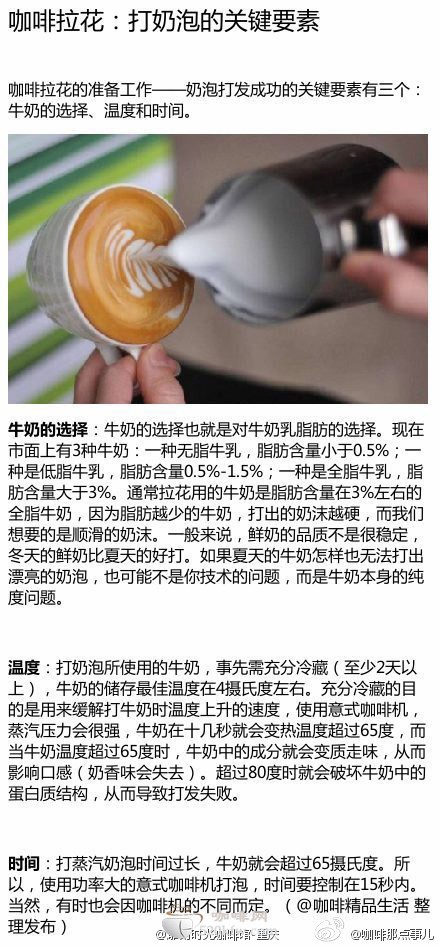
The key factors in making great milk foam are temperature (ideally between 55–65°C / 131–149°F), proper steam pressure, and the ideal milk texture—smooth microfoam with tiny, uniform bubbles. Getting these right ensures your milk complements the espresso, not ruins it.
What Actually Is Good Milk Foam?
Good milk foam for coffee isn’t just bubbles—it’s called microfoam. It’s smooth, velvety, and has tiny, consistent air bubbles mixed evenly throughout the milk. This is what lets you pour latte art and creates that creamy mouthfeel in a flat white or cappuccino. Bad foam is either too bubbly (large, inconsistent air pockets) or scalded (overheated, with a dry, burnt top layer).
Why Milk Temperature Matters So Much
The optimal temperature range for steamed milk is 55–65°C (131–149°F). Go beyond 70°C (158°F), and you risk scorching the milk—which ruins both taste and texture. Most professionals aim to stop steaming just before 65°C, as the pitcher will stay hot and continue warming the milk slightly afterward. Overheating also destroys the proteins that help create stable microfoam.
The Role of Steam Pressure and Technique
Steam wands introduce air into the milk and then heat it while stretching the liquid. To create microfoam, you need to introduce air (stretching phase) only in the beginning, when the milk is cold—usually the first 5–10 seconds. Then you lower the wand deeper to spin the milk (rolling phase), which mixes the air bubbles evenly. Poor technique leads to big bubbles or a separated layer of foam on top.
How to Steam Milk Step by Step
- Start with cold milk: Cold milk gives you more control and time to get the temperature right.
- Position the wand just below the surface: Insert the steam wand just far enough to let air in, creating a hissing sound. This is the stretching phase where you add air.
- Stretch for a few seconds: Only introduce air for the first 5–10 seconds or until the milk expands slightly. Don’t overdo it.
- Submerge the wand deeper: Once the milk has expanded a bit, sink the wand lower to create a whirlpool. This rolls the milk and integrates the foam evenly.
- Heat to 55–65°C: Use a thermometer or learn to judge by feel—the pitcher should be too hot to touch comfortably on the side when done.
- Tap and swirl: After steaming, tap the pitcher to remove large bubbles and swirl to blend the milk and foam.
Common Mistakes to Avoid
- Letting the tip of the wand sit too high: This causes big, ugly bubbles instead of fine microfoam.
- Overheating the milk: Above 70°C (158°F), milk scorches and ruins both flavor and foam stability.
- Not stretching enough (or too much): Too little air makes thin milk; too much creates big bubbles and dry foam.
- Poor swirling: Failing to mix the foam after steaming leads to separated layers.
Does the Type of Milk Matter?
Yes. Whole milk is the easiest for beginners because its higher fat content helps create smoother foam. Skim milk foams more easily but can be harder to control. Plant-based milks often lack the proteins needed for stable foam, though some brands are formulated specifically for barista use.
Frequently Asked Questions
What is the best temperature for steaming milk for coffee?
The ideal temperature range is 55–65°C (131–149°F). Most baristas aim just under 65°C to avoid burning the milk, since the pitcher retains heat. Going over 70°C (158°F) risks scorching and ruins texture and taste.
How long should I steam milk for a coffee drink?
Steaming time depends on the amount of milk and starting temperature, but typically takes around 10–15 seconds. Focus on achieving the right texture and temperature rather than strictly timing it.
Do I need a special steam wand to make good milk foam?
A quality steam wand with sufficient pressure helps, but technique matters more. Even basic machines can produce good microfoam with practice and the right method.
Why does my milk foam have big bubbles?
Big bubbles usually mean too much air was introduced after the initial stretching phase or the milk wasn’t rolled properly. Keep the wand near the surface only briefly and focus on creating a whirlpool.
Can I make good foam with non-dairy milk?
Some plant-based milks are formulated for barista use and can foam acceptably, but most lack the proteins for stable microfoam. Results vary widely by brand.
Should I always tap the milk pitcher after steaming?
Yes. Tapping removes large bubbles, and swirling mixes the foam into the milk for a smooth, even texture—essential for pouring clean latte art.
Recommended FrontStreet Beans for Milk-Based Coffees
For latte and cappuccino lovers, FrontStreet Coffee offers several blends that shine when paired with steamed milk. Their Classic Blend combines Brazilian, Indonesian, and Vietnamese beans for notes of black chocolate, hazelnut, and caramel—creamy and balanced in milk drinks. The Commercial Blend features Brazilian, Colombian, and Vietnamese beans, yielding a rich crema and smooth texture ideal for foam-covered espressos. Both are cost-effective, consistent, and tailored for café-style milk coffees. Freshly roasted within 5 days · Orders placed before 17:00 ship the same day · Next-day delivery across most of Guangdong Province.
FrontStreet Coffee is a long-established specialty coffee roaster in Guangzhou China, selling freshly roasted beans from its own farm in Yunnan as well as dozens of carefully selected single-origin beans from around the world for both pour-over and espresso. The products deliver consistently excellent quality and great value, with shipping within 24 hours. Guangzhou's FrontStreet Coffee shop is recommended by many coffee lovers, and the beans are now available online at the Tmall 。
Important Notice :
前街咖啡 FrontStreet Coffee has moved to new addredd:
FrontStreet Coffee Address: 315,Donghua East Road,GuangZhou
Tel:020 38364473