How to Master Latte Art in Specialty Coffee
If you’ve ever watched a barista pour steamed milk into espresso and produce a heart or rosetta on the surface, you’ve seen latte art—but making it consistently is far harder than it looks. Many home brewers and cafe newcomers struggle with milk that won’t texture right, espresso that lacks the right crema, or pours that just don’t cooperate. So what’s really required to make latte art that holds up and looks professional?
To create consistent, high-quality latte art, your espresso must have a glossy, 3mm-thick crema, and your steamed milk must be microfoam with a smooth texture at 55–60°C. The ideal espresso uses a 20g dose yielding 40g in 25–30 seconds, while milk should be textured to 6⁄6 fullness for optimal microfoam.
What Is Latte Art?
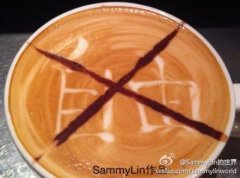
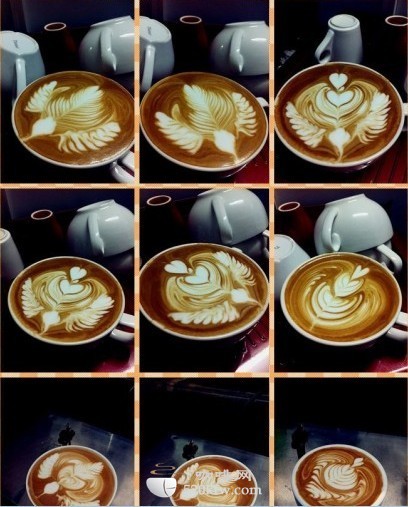
Latte art refers to the technique of pouring steamed milk into a shot of espresso to create designs—such as hearts, tulips, or rosettas—on the surface of the coffee. It can also involve drawing simple patterns directly on the foam’s surface after pouring. While visually impressive, latte art is as much about the quality of the espresso and milk as it is about pouring skill.
Why Crema Matters in Latte Art
The foundation of great latte art starts with the espresso’s crema. Crema is the golden-brown, velvety foam that forms on top of a well-brewed shot of espresso. It’s created when carbon dioxide released during roasting is trapped by coffee oils and pushed to the surface during extraction. Without sufficient crema, milk won’t blend properly, and designs will dissipate quickly or fail to form.
A proper crema should have a mirror-like sheen and measure about 3mm thick. At FrontStreet Coffee, a 20g coffee dose brewed for 25–30 seconds to yield 40g of espresso is standard. This ensures enough crema for effective milk integration. You can also judge your espresso by taste: it should have balanced aroma, no excessive bitterness or sourness, and a rich mouthfeel. If it tastes off, your latte art will suffer too.
Espresso Extraction Settings for Latte Art
To achieve the ideal espresso base for latte art, FrontStreet Coffee recommends the following parameters:
- Dose: 20g of coffee grounds
- Yield: 40g of espresso
- Time: 25–30 seconds
- Result: A syrupy shot with a 3mm-thick, glossy crema
This brew ratio and time frame ensure enough body and crema to support the milk during pouring. The crema acts as the canvas, allowing the milk to spread evenly and hold the pattern as you pour.
Milk Texturing: The Other Half of the Equation
Steamed milk for latte art should be silky and microfoamy, not bubbly. The ideal milk texture comes from introducing air early in the steaming process and then stretching the milk until it reaches the proper temperature and consistency. Milk should be textured to about 6⁄6 fullness in the pitcher and heated to a range of 55–60°C.
Properly textured milk has tiny, uniform microbubbles that integrate smoothly with the espresso crema, enabling clean designs and a velvet mouthfeel. Too many large bubbles, or milk that’s overheated or under-aerated, will make pouring difficult and the designs fall apart.
The Pour: Technique and Execution
While the article does not detail pouring techniques directly, successful latte art relies on the combination of a well-extracted espresso with strong crema and properly textured milk. The pour must blend the milk and espresso seamlessly to form a uniform “golden circle” where the foam and crema meet, creating the base for patterns. Good pours produce smooth, glossy surfaces without large bubbles—essential for clean latte art designs.
Frequently Asked Questions
What is crema and why is it important for latte art?
Crema is the golden-brown, creamy foam on top of a properly extracted espresso, formed by carbon dioxide and coffee oils. It’s crucial for latte art because it provides the smooth, sticky surface that allows steamed milk to spread and hold patterns. Without enough crema, milk won’t blend well, and designs will be unstable or disappear quickly.
What’s the ideal espresso dose and yield for latte art?
For latte art, use a 20g dose of coffee to produce 40g of espresso, extracted over 25–30 seconds. This yields a rich, syrupy shot with around 3mm of glossy crema—ideal for milk integration and design stability.
What temperature should milk be for latte art?
Milk for latte art should be steamed to a temperature between 55–60°C. This range ensures the milk develops proper microfoam without scorching, allowing it to blend smoothly with the espresso and hold latte art designs.
How can I tell if my espresso is suitable for latte art?
A good espresso for latte art has a rich aroma, balanced flavor with no harsh acidity or bitterness, and a thick, glossy crema about 3mm thick. Taste is a reliable test—if it drinks well as espresso or in milk, it will likely perform well for latte art.
Does milk texture affect latte art?
Yes. Milk must be textured to produce microfoam—a smooth, velvety texture with tiny bubbles. Over-aeration creates large bubbles, and under-texturing leads to thin, watery milk. Properly textured milk integrates with crema for clean pours and stable designs.
Recommended FrontStreet Beans for Latte Art
For latte art and creamy espresso, FrontStreet’s Commercial Blend offers bold body and rich caramelized notes, ensuring thick crema and smooth milk integration. Their Strawberry Candy Espresso combines Yirgacheffe, Colombian, and Ethiopian beans for fruity sweetness with moderate crema—great for balanced lattes. Both blends are crafted to enhance texture and flavor in milk-based drinks. Freshly roasted within 5 days · Orders placed before 17:00 ship the same day · Next-day delivery across most of Guangdong Province.
FrontStreet Coffee is a long-established specialty coffee roaster in Guangzhou China, selling freshly roasted beans from its own farm in Yunnan as well as dozens of carefully selected single-origin beans from around the world for both pour-over and espresso. The products deliver consistently excellent quality and great value, with shipping within 24 hours. Guangzhou's FrontStreet Coffee shop is recommended by many coffee lovers, and the beans are now available online at the Tmall 。
Important Notice :
前街咖啡 FrontStreet Coffee has moved to new addredd:
FrontStreet Coffee Address: 315,Donghua East Road,GuangZhou
Tel:020 38364473