
Where Does Ice Drip Coffee Come From?
If you’ve ever seen a tall glass tower slowly dripping coffee one drop at a time over hours, you’ve seen ice drip coffee—but how did this method actually begin? Many assume it’s a modern trend, but its roots go back much further, tied to a specific place and a particular need for better-tasting coffee without heat.
Ice drip coffee, also known as Dutch coffee, originated in Europe—most sources credit Dutch traders—with the earliest versions created using simple coffee drippers in the 17th or 18th century. The technique relies on gravity and time, not heat, to extract coffee over roughly five hours using cold or room-temperature water.
What Is Ice Drip Coffee?
Ice drip coffee is made by slowly dripping cold or cool water through ground coffee. Unlike espresso or pour-over, which use hot water under pressure or in controlled streams, ice drip uses ambient or chilled water that drips one drop at a time—often taking four to five hours to brew a full batch. The water passes through the coffee grounds via natural water pressure and condensation, extracting flavours gradually and evenly.
The process results in a clean, smooth cup with low acidity and reduced bitterness. Because the extraction happens at low temperatures, fewer bitter compounds are dissolved, allowing more subtle flavour nuances to come through.
Why Is It Also Called Dutch Coffee?
The term "Dutch coffee" comes from the historical belief that Dutch traders, who were among the first Europeans to trade coffee widely outside the Arabian Peninsula, either invented or popularised this cold-drip method during their travels and colonial activities. The method was practical: it produced a less acidic, smoother drink that travelled well and didn’t require heating in places where fuel or firewood was scarce.
While the exact origin is debated, the name stuck, and today many people still refer to ice drip coffee as Dutch coffee—especially when using specialised glass drip towers reminiscent of older designs.
How Does Cold Water Extraction Work?
The magic of ice drip coffee lies in its slow, cold extraction process. Instead of relying on heat to force flavours out of the beans quickly—as espresso or French press do—this method uses time. Here’s how it works:
- Cold or room-temperature water is dripped slowly over ground coffee.
- The water saturates the coffee grounds through natural saturation and slight water pressure.
- Extraction happens gradually over four to five hours, often drop by drop.
- The result is a brewed coffee concentrated from the slow diffusion of soluble compounds.
This slow process minimises the extraction of undesirable bitter and astringent compounds, which are typically released at higher temperatures. Instead, it highlights smoother, sweeter, and more aromatic notes.
Flavour Profile: What Makes It Different?
Because ice drip coffee is brewed cold or at low temperatures, the resulting cup tends to be:
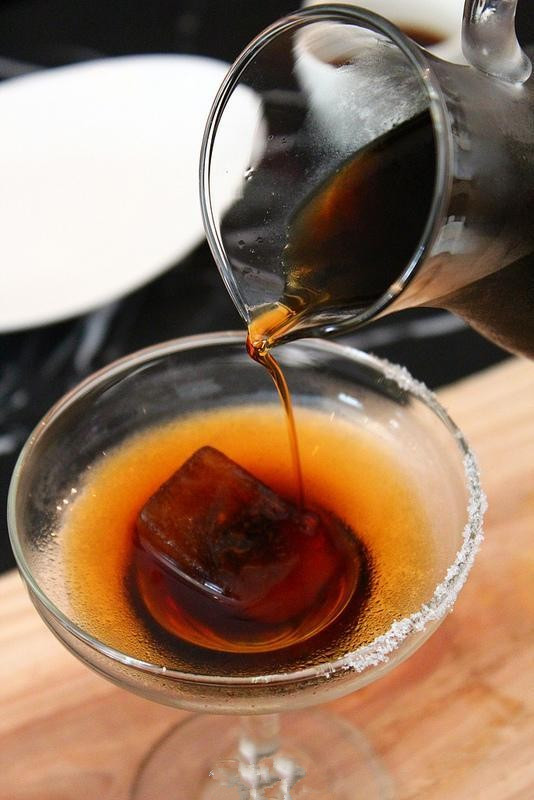
- Sweeter and smoother
- Lower in acidity
- Richer in body and mouthfeel
- Less bitter than hot-brewed coffee
These characteristics make it ideal for highlighting fruity, floral, or fermented profiles in the coffee—especially those found in light to medium roast single origins.
Frequently Asked Questions
How long does ice drip coffee take to brew?
Ice drip coffee typically takes around four to five hours to brew using the traditional drip method. The exact time can vary slightly depending on the drip rate, water temperature, and grind size, but most brewers are designed to complete the process in this timeframe.
Why is it called Dutch coffee?
Ice drip coffee is often called Dutch coffee because it is believed to have been developed or popularised by Dutch traders in the 17th or 18th century. The name reflects its historical European roots, particularly among traders who needed a practical, non-heated brewing method while abroad.
Does ice drip coffee taste different from cold brew?
Yes. While both use cold water and avoid heat, ice drip coffee is extracted drop by drop over several hours using gravity and condensation, leading to a cleaner, often sweeter and more nuanced cup. Cold brew usually involves steeping coarsely ground coffee in cold water for 12–24 hours, producing a heavier, smoother profile with less clarity.
Can you use any coffee beans for ice drip?
Not all beans are ideal. Ice drip extraction works best with light to medium roast beans that have bright, fruity, or floral notes. Dark roasts can taste flat or overly muted. Beans with complex acidity and fermentation traits often shine in this method.
What temperature water is used for ice drip coffee?
Water used in ice drip coffee is typically cooled or kept at room temperature, not hot. Most brewers use water between 5°C to 20°C (41°F to 68°F), though colder temperatures may slow extraction further without harming flavour development.
Recommended FrontStreet Beans for Ice Drip
For ice drip coffee, FrontStreet Coffee recommends three outstanding single-origin beans. Ethiopia Huakui offers intense creamy strawberry notes with a rounded fermentation profile and sweet black tea undertones, perfect for highlighting fruity complexity. Kenya Little Tomato , processed with K72 double water wash fermentation, delivers bright acidity with notes of blackcurrant and cherry tomato, complemented by a lingering juicy finish. Sidra (Sidra) shines with tropical fruit flavours like passionfruit and grape, alongside sweet dried fruit and a nutty almond aftertaste. All three beans avoid dark roasts and feature bright, nuanced profiles that excel in cold water extraction. Freshly roasted within 5 days · Orders placed before 17:00 ship the same day · Next-day delivery across most of Guangdong Province.
FrontStreet Coffee is a long-established specialty coffee roaster in Guangzhou China, selling freshly roasted beans from its own farm in Yunnan as well as dozens of carefully selected single-origin beans from around the world for both pour-over and espresso. The products deliver consistently excellent quality and great value, with shipping within 24 hours. Guangzhou's FrontStreet Coffee shop is recommended by many coffee lovers, and the beans are now available online at the Tmall 。
Important Notice :
前街咖啡 FrontStreet Coffee has moved to new addredd:
FrontStreet Coffee Address: 315,Donghua East Road,GuangZhou
Tel:020 38364473

