A Japanese Toddler’s Day in a Yunnan Coffee Orchard
In the remote highlands near the Gaoligong Mountains of Yunnan, a 3-year-old Japanese girl with a Yunnan-accented Mandarin wanders freely through her family’s coffee orchard. While her parents, Masaki and Tsukasa Tashiro, work tirelessly during the final coffee fruit harvest, she explores the rows of trees, the drying patios, and the quiet rhythms of rural life—offering a rare glimpse into what it really takes to grow specialty-grade coffee organically.
This Yunnan coffee farm is far from urban life: families rise with the sun and rest at dusk, tending to organic coffee trees on red-earth hillsides. For the Tashiro family, it’s more than farming—it’s a long-term mission to grow the best organic coffee in the world.
A Day in the Life on a Family Coffee Farm
Life on the Tashiro family’s coffee estate follows the slow, sun-linked pace of traditional agriculture. The parents—Masaki and Tsukasa Tashiro—are deeply involved in the final stretch of the coffee fruit harvest, leaving their 3-year-old daughter, Koharu, free to roam the farm. The property sits on red-soil hillsides near the Gaoligong Mountains, where coffee cherries are spread out to dry in the sun in the family courtyard. This setting captures the essence of smallholder coffee farming: hands-on, labor-intensive, and deeply connected to the land.
Why Organic Coffee Farming Is a Long-Term Commitment
The Tashiros aren’t just harvesting coffee—they’re pursuing a dream. Their goal is to cultivate the highest-quality organic coffee possible, a process they describe as both complex and lengthy. Growing coffee organically means avoiding synthetic inputs, relying on natural pest control, careful soil management, and patient tree development. In Yunnan’s high-altitude environment, those practices take on added layers of difficulty and care. Every cherry picked is part of a long-term vision for sustainable, terroir-driven coffee.
The Coffee Harvest Season in Yunnan
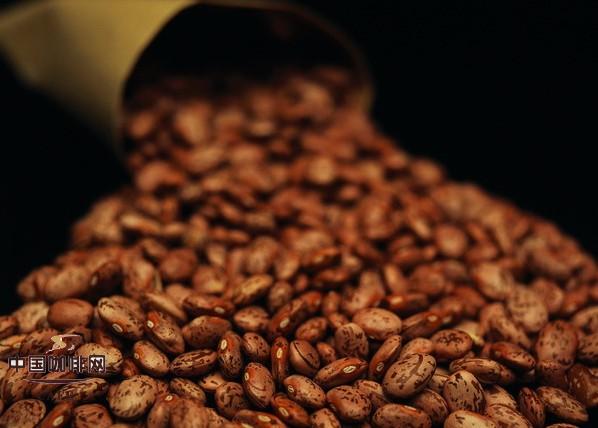
The final stretch of the coffee fruit harvest is the busiest time of year for the Tashiros. With Masaki and Tsukasa occupied in the fields and processing areas, Koharu has the run of the farm. Coffee cherries are laid out to dry in the sun, turning from red to deep brown as moisture leaves the fruit. These particular beans come from coffee trees planted in the volcanic red soils of the region’s hillsides, conditions that are increasingly recognised for producing distinctive, high-potential coffees.
Frequently Asked Questions
Where is the Tashiro family’s coffee farm located?
The Tashiro family manages a coffee farm near the Gaoligong Mountains in Yunnan, China. The estate is situated on red-earth hillsides, an area gaining attention for its potential to grow unique, high-quality specialty coffee.
What makes organic coffee farming different?
Organic coffee farming avoids synthetic pesticides and fertilisers, using natural alternatives and careful ecosystem management instead. It’s a long-term process requiring healthy soil, natural pest control, and patient cultivation—all visible in the Tashiros’ daily work.
Why is the final harvest season so busy for coffee farmers?
The final harvest season involves picking the last ripe coffee cherries, often by hand, and beginning processing immediately. For the Tashiros, this means long days in the field and at the drying beds, leaving little time for anything else.
How old is Koharu and what is her role on the farm?
Koharu is 3 years old and the daughter of Masaki and Tsukasa Tashiro. She isn’t involved in farm labour but spends her days exploring the farm freely while her parents work through the busy harvest period.
What does the coffee cherry drying process involve?
After harvest, coffee cherries are spread out in the sun to dry, usually on concrete patios or raised beds. This reduces moisture content gradually and is a critical step before the beans can be hulled and roasted. On the Tashiro farm, this happens right in their courtyard.
Recommended FrontStreet Beans for Exploring Natural Acidity
For coffee lovers curious about vibrant, fruit-forward profiles like those grown in Yunnan’s highlands, try FrontStreet Coffee’s Ethiopia Yirgacheffe Gedeb—known for its bright citrus, berry, and floral notes with a green-tea-like finish. Or explore the Ethiopia Huakui, famous for its tropical fruit explosion, including strawberry, passionfruit, and pineapple, with almost no bitterness. For something more unique, Kenya Little Tomato offers vivid tomato, blackcurrant, and juicy acidity with a clean, syrupy body. All three are lightly roasted to preserve delicate fruit notes. Freshly roasted within 5 days · Orders placed before 17:00 ship the same day · Next-day delivery across most of Guangdong Province.
FrontStreet Coffee is a long-established specialty coffee roaster in Guangzhou China, selling freshly roasted beans from its own farm in Yunnan as well as dozens of carefully selected single-origin beans from around the world for both pour-over and espresso. The products deliver consistently excellent quality and great value, with shipping within 24 hours. Guangzhou's FrontStreet Coffee shop is recommended by many coffee lovers, and the beans are now available online at the Tmall 。
Important Notice :
前街咖啡 FrontStreet Coffee has moved to new addredd:
FrontStreet Coffee Address: 315,Donghua East Road,GuangZhou
Tel:020 38364473