
Coffee Farm
Latest articles, industry insights and brewing guides

What Makes Salvadoran Coffee Unique? Flavor & Profile Explained
Salvadoran coffee offers a balanced, mild flavor profile. Discover its origins, cup qualities, and why it remains a standout Central American origin.

Costa Rica's Tarrazú: Specialty Coffee’s Bright, Juicy Heartland
Explore the Tarrazú region of Costa Rica—home to bright, high-altitude coffees known for dense beans, ideal acidity, and bold floral aromas.

Costa Rica’s Caturra & Catuai Coffee Varieties Explained
Explore the key characteristics of Costa Rica’s popular Caturra and Catuai coffee varieties, grown at high elevations in volcanic soil.

Washed Process Coffee in Costa Rica Explained
Learn how Costa Rica’s washed coffee method creates bright acidity and clean flavor, especially in Tarrazú-grown beans.
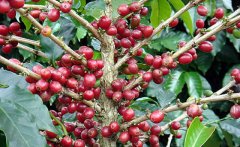
Ninety Plus NistuRuz: Ethiopian Washed Coffee with Rosemary Notes
Explore the floral, herbal profile of Ninety Plus LevelUp Series NistuRuz – a washed Ethiopian coffee with distinct rosemary and citrus notes, used in WBC 2013.
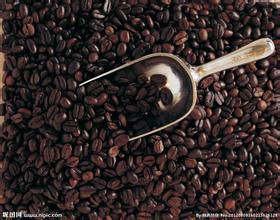
Costa Rican Coffee Flavors: Berries, Caramel, Cream & Spice
Explore the vibrant berry, caramel, and spice notes of Costa Rican coffee, especially from the high-altitude Tarrazú region.
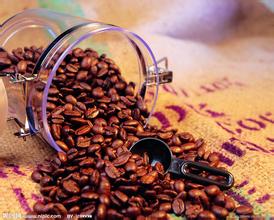
Costa Rica’s Tarrazú: Where Specialty Coffee Thrives
Discover why Tarrazú, Costa Rica’s high-altitude coffee region, produces some of the world’s brightest, cleanest single-origin beans with intense acidity.
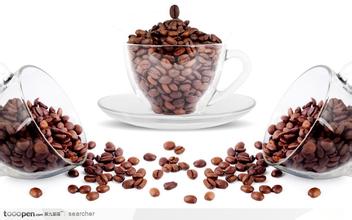
Where Does Costa Rican Coffee Come From and How Is It Made?
Explore the origins, high-altitude terroir, and processing methods behind Costa Rica’s iconic specialty coffee, including honey-processed profiles.

What Makes Costa Rican Coffee Unique?
Costa Rican coffee is known for its high-altitude growing conditions, bright acidity, and sweet complexity, especially from regions like Tarrazú.
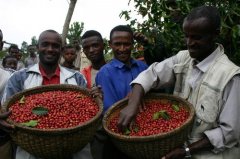
High-Elevation Natural Process Heirloom from Ethiopia's Shakisso
Learn why Shakisso’s high-altitude natural Heirloom coffee develops bold fruitiness through sun-drying on raised beds amid Ethiopia’s rugged landscape.
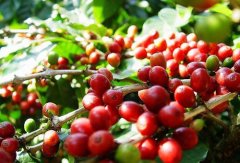
Washed Yirgacheffe Dama Coop Coffee from Ethiopia
Explore the distinctive washed coffee profile of Ethiopia’s Yirgacheffe Dama Coop, with citrus, stone fruit, and floral notes.
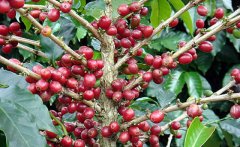
Ethiopian Washed Sidamo Coffee Beans from Specialty Estates
Washed Sidamo beans from Ethiopia’s 1400–2200m highland estates offer complex fruit acids, floral notes, and a sweet-dry finish. Learn what makes them unique.

Papua New Guinea’s Waghi Valley: Specialty Coffee Origins
Learn how high-altitude farms in PNG’s Waghi Valley produce nuanced washed coffees with floral and fruit notes despite challenging growing conditions.
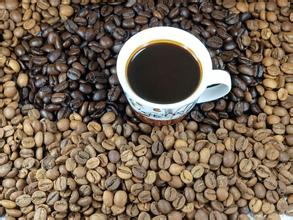
Papua New Guinea Coffee: What Makes Kimmel Estate Special
Learn why high-altitude, smallholder-grown PNG coffee like Kimmel Estate delivers bright acidity and rich fruit notes, and how quality recovered after 1990s struggles.

How Papua New Guinea Coffee Is Wash-Processed
Learn how over 75% of PNG’s specialty coffee is washed-processed at high elevations, shaping its bright, fruity profile.

What Does Papua New Guinea Coffee Taste Like?
Papua New Guinea coffee offers nutty, sweet flavors with low acidity. Most beans are grown organically at 1300–1800m altitude by small farms.

Papua New Guinea Coffee: Origins, Estates & Quality Shifts
Learn why PNG coffee grew then faltered—and how high-altitude farms now produce fruity, well-balanced beans with renewed quality control.
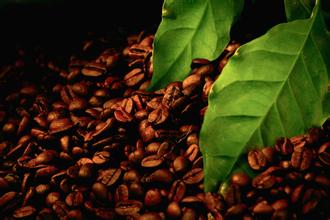
Papua New Guinea Coffee Origins and Processing Methods
Learn how Papua New Guinea’s high-altitude farms and traditional methods produce distinctive Specialty Grade AA and A coffee beans.

What Makes Papua New Guinea Coffee Unique?
Learn why Papua New Guinea coffee stands out with its high-altitude growing conditions, organic practices, and distinctive flavor profile.
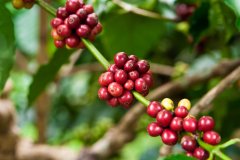
What Makes Jamaica Blue Mountain Coffee So Special
Learn why Jamaica Blue Mountain coffee commands premium prices, how it’s grown, and how to brew it for the best flavor.