Coffee Farm
Latest articles, industry insights and brewing guides
Wild berry flavor Kenyan coffee boutique coffee beans
Kenya AA (Kenya AA) has strong acidity, strong mellowness, smooth taste and slight aroma of Tangy sharp acidity, full body, smooth mildly winey flavor, well balanced. Kenya is located in the south of Ethiopia and Yemen, only hundreds of kilometers away from the two world-famous coffee producers. The vast majority of Kenya
Costa Rican extra hard coffee boutique coffee
Costa Rican extra hard coffee (Costa Rican Tarrazu SHB) is full-bodied, sour, sweet and fruity. Plenty of body sweetness .lively acidity terrific fruity high notes. Tarrazu, south of San Jose, is the most famous coffee producer in Costa Rica and one of the most famous coffee producers in the world.
Guatemala Coffee production area of Central and South America
Full-bodied and fruity, with aromas of spices and tobacco. Lots of alively fruity kind of acidity distinctive aroma, spicy / smokey flavor good body. Antigua is bordered by Mexico in the north. Like Tarasu in Costa Rica, located in Antigua, southwest of Guatemala, coffee is grown on the slopes of the hinterland of the volcano.
Ethiopian Irga Coffee African Fine Coffee
Glycol, low acidity, rich fragrance, unique strong fruit aroma, slightly floral aroma Fine mellow body light acidity, outstanding aroma, with extraordinary floral perfumes Harald ECMC (the Ethiopian Coffee Marking Corporation) sun treatment of raw beans, raw beans are divided into: long beans (long be)
Boutique coffee American Columbia Premium (Colombian Supremo)
Columbia Colombian Supremo has moderate acidity, medium mellow, sweet and smooth, aroma, nutty, with a hint of chocolate in the finish. Good acidity, moderate body, really sweet, nutty aroma with smooth, rich flavor. Colombian coffee beans are very good, alpine (rich in volcanic rocks, fertile soil
Boutique coffee American Columbia Premium (Colombian Supremo)
Columbia Colombian Supremo has moderate acidity, medium mellow, sweet and smooth, aroma, nutty, with a hint of chocolate in the finish. Good acidity, moderate body, really sweet, nutty aroma with smooth, rich flavor. Colombian coffee beans are very good, alpine (rich in volcanic rocks, fertile soil
Boutique coffee Indonesian coffee producing area Kintamani Volcano area
Coffee that makes you feel refreshed and ready to drink. Coffee is produced throughout Indonesia (Indonesia), and Java occupies an extremely important position in coffee history. In the mid-17th century, coffee trees were introduced to Indonesia by the Dutch (some official sources believe that earlier). The first batch of coffee from Java was sold to Amsterdam in 1712. However, in 1877
Boutique coffee Indonesian coffee producing area Kintamani Volcano area
Coffee that makes you feel refreshed and ready to drink. Coffee is produced throughout Indonesia (Indonesia), and Java occupies an extremely important position in coffee history. In the mid-17th century, coffee trees were introduced to Indonesia by the Dutch (some official sources believe that earlier). The first batch of coffee from Java was sold to Amsterdam in 1712. However, in 1877
Boutique coffee Indonesian coffee treatment method solarization
Coffee that makes you feel refreshed and ready to drink. Coffee is produced throughout Indonesia (Indonesia), and Java occupies an extremely important position in coffee history. In the mid-17th century, coffee trees were introduced to Indonesia by the Dutch (some official sources believe that earlier). The first batch of coffee from Java was sold to Amsterdam in 1712. However, in 1877
Boutique coffee Indonesian coffee flavor ripe peach, pineapple, black sugar
Coffee that makes you feel refreshed and ready to drink. Coffee is produced throughout Indonesia (Indonesia), and Java occupies an extremely important position in coffee history. In the mid-17th century, coffee trees were introduced to Indonesia by the Dutch (some official sources believe that earlier). The first batch of coffee from Java was sold to Amsterdam in 1712. However, in 1877
American Fine Coffee Brazilian Santos NO2
Brazilian Santos NO2 is soft, mild and smooth, originating from one of the largest coffee producing areas in the world. Moderate acidity, rich and body , mild ,unique and smooth flavor. If it is small beans (17-18/ 64 inches), the mature beans are even more beautiful, and the taste is better than the soybean seeds (19/64FCS).
Boutique coffee Indonesian coffee manor Indonesian coffee producing area
Coffee that makes you feel refreshed and ready to drink. Coffee is produced throughout Indonesia (Indonesia), and Java occupies an extremely important position in coffee history. In the mid-17th century, coffee trees were introduced to Indonesia by the Dutch (some official sources believe that earlier). The first batch of coffee from Java was sold to Amsterdam in 1712. However, in 1877
Boutique coffee Indonesian coffee origin Indonesian coffee practice
Coffee that makes you feel refreshed and ready to drink. Coffee is produced throughout Indonesia (Indonesia), and Java occupies an extremely important position in coffee history. In the mid-17th century, coffee trees were introduced to Indonesia by the Dutch (some official sources believe that earlier). The first batch of coffee from Java was sold to Amsterdam in 1712. However, in 1877
Boutique coffee, Ethiopian Sidamo Lion King Sun treatment
The coffee flavor of Sidamo is very diverse, and the different soil types, microclimate and countless native coffee species make the coffee produced in each town have obvious differences and characteristics. In 2010-12, it won three consecutive high marks from coffee review 92 to 94, which shows the extraordinary value of raw beans in this area! Domestic horizontal
Boutique coffee Indonesian coffee characteristics introduction to Indonesian coffee
Coffee that makes you feel refreshed and ready to drink. Coffee is produced throughout Indonesia (Indonesia), and Java occupies an extremely important position in coffee history. In the mid-17th century, coffee trees were introduced to Indonesia by the Dutch (some official sources believe that earlier). The first batch of coffee from Java was sold to Amsterdam in 1712. However, in 1877
The origin and flavor characteristics of coffee boutique coffee
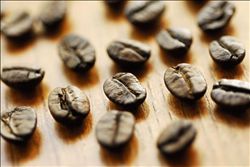
The category of coffee is freshly ground coffee: usually large cans with beans of different sizes, oval Arabica and round Robusta. Baking color uniformity varies greatly, not full, caffeine beans can see the traces of dry crack, not glossy! It smells like a faint aroma of coffee. If you grind it on the spot, it usually has a momentary aroma.
Boutique coffee mocha coffee flavor floral, apple, walnut, sugar cane
Coffee beans from coffee hometown. Before the 6th century AD, Yemen was called Arabia, so coffee trees shipped from Yemen to other places were also called Arabian coffee trees. But the origin of these trees is Ethiopia, and the Dutch spread these coffee trees around the world. Dutch merchants sailing eastward around the Cape of good Hope (The Cape Of Good Hope)
Boutique coffee mocha coffee manor mocha coffee producing area
Coffee beans from coffee hometown. Before the 6th century AD, Yemen was called Arabia, so coffee trees shipped from Yemen to other places were also called Arabian coffee trees. But the origin of these trees is Ethiopia, and the Dutch spread these coffee trees around the world. Dutch merchants sailing eastward around the Cape of good Hope (The Cape Of Good Hope)
The Origin of Fine Coffee mocha Coffee
Coffee beans from coffee hometown. Before the 6th century AD, Yemen was called Arabia, so coffee trees shipped from Yemen to other places were also called Arabian coffee trees. But the origin of these trees is Ethiopia, and the Dutch spread these coffee trees around the world. Dutch merchants sailing eastward around the Cape of good Hope (The Cape Of Good Hope)
Specialty coffee mocha coffee introduction to mocha coffee
Coffee beans from coffee hometown. Before the 6th century AD, Yemen was called Arabia, so coffee trees shipped from Yemen to other places were also called Arabian coffee trees. But the origin of these trees is Ethiopia, and the Dutch spread these coffee trees around the world. Dutch merchants sailing eastward around the Cape of good Hope (The Cape Of Good Hope)