
Coffee Farm
Latest articles, industry insights and brewing guides
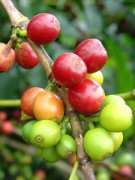
Nicaragua’s Diriomo Region: Tianyi Estate Specialty Coffee
Tianyi Estate in Nicaragua grows high-altitude Red Catuai using honey processing, scoring 86.5 and offering tobacco, cacao, and apple acidity.
Salvadoran Washed Coffee: Fermented & Sun-Dried Processing
Learn how Salvadoran coffee achieves its balanced profile through washed fermentation and sun drying, with key facts on harvest and processing.
Salvadoran Coffee: Nutty, Chocolatey, with Subtle Berries
Salvadoran coffee offers balanced nut, chocolate, and fruity notes—especially from January to March. Learn its history, profile, and rare varieties like Pacamara.

Rwandan Coffee from Ngoma Estate: What Makes It Special?
Explore Ngoma Estate in Rwanda’s Rushasi region, where 1800m-altitude Bourbon produces syrupy, caramelly washed coffee with red fruit and jasmine.

El Salvador Coffee: Mild, Balanced, and Unique
Explore El Salvador’s mild, well-balanced specialty coffee, grown mostly at high altitudes and exported primarily between January and March.
Panama’s Don Pepe Estate Grows Surprising Washed Catuai
A 1,600-meter-altitude Panamanian Catuai shows espresso-like sweetness with stone fruit flavors—here’s what makes the Don Pepe Estate unique.
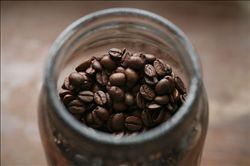
Salvadoran Coffee Origins and Brewing Guide
Discover Salvadoran coffee’s mild, balanced flavor profile, production history, and why 40% of its exports are high-grade beans.
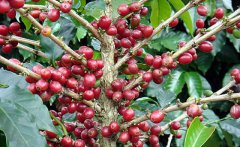
Indian Washed Coffee from Val Pare's SL9 Variety
Explore the orange acidity, spice notes, and cocoa finish of Indian SL9 washed coffee from 1,600–1,700m in Val Pare, grown by Mr. Angamuthu Mudhaliar’s family.

What Makes Salvadoran Coffee Unique in Flavor?
Salvadoran coffee is known for its balanced, mild profile. Learn why it’s prized for smoothness, altitude grading, and rare varieties like Pacamara.
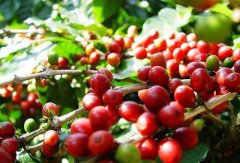
Salvadoran Apaneca Coffee from Himalaya Estate 2011 & 2013 COE Winner
Discover the 2011 and 2013 COE-winning coffee from El Salvador’s Himalaya Estate, a washed 95% Red Bourbon lot with winey, plum, and apple notes.

Medium-Dark Roast for Costa Rican Specialty Coffee
Why medium-dark roast brings out the best in Costa Rican beans like those from Tarrazú, balancing sweetness, acidity, and body.
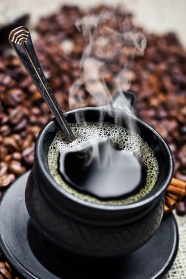
Costa Rica Coffee Varieties Caturra and Catuai Explained
Learn why Caturra and Catuai thrive in Costa Rica’s high-altitude regions like Tarrazú, producing bright acidity and rich aroma.
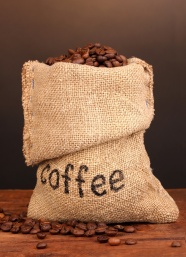
Costa Rica’s Tarrazú Coffee Region Guide
Discover why Tarrazú, Costa Rica produces bright, sweet, high-altitude coffee with bold aromatics and ideal acidity for specialty roasters.

Washed Process for Costa Rican Specialty Coffee
Explore how washed processing defines Costa Rica’s bright, high-acid coffee profile, especially from regions like Tarrazú.
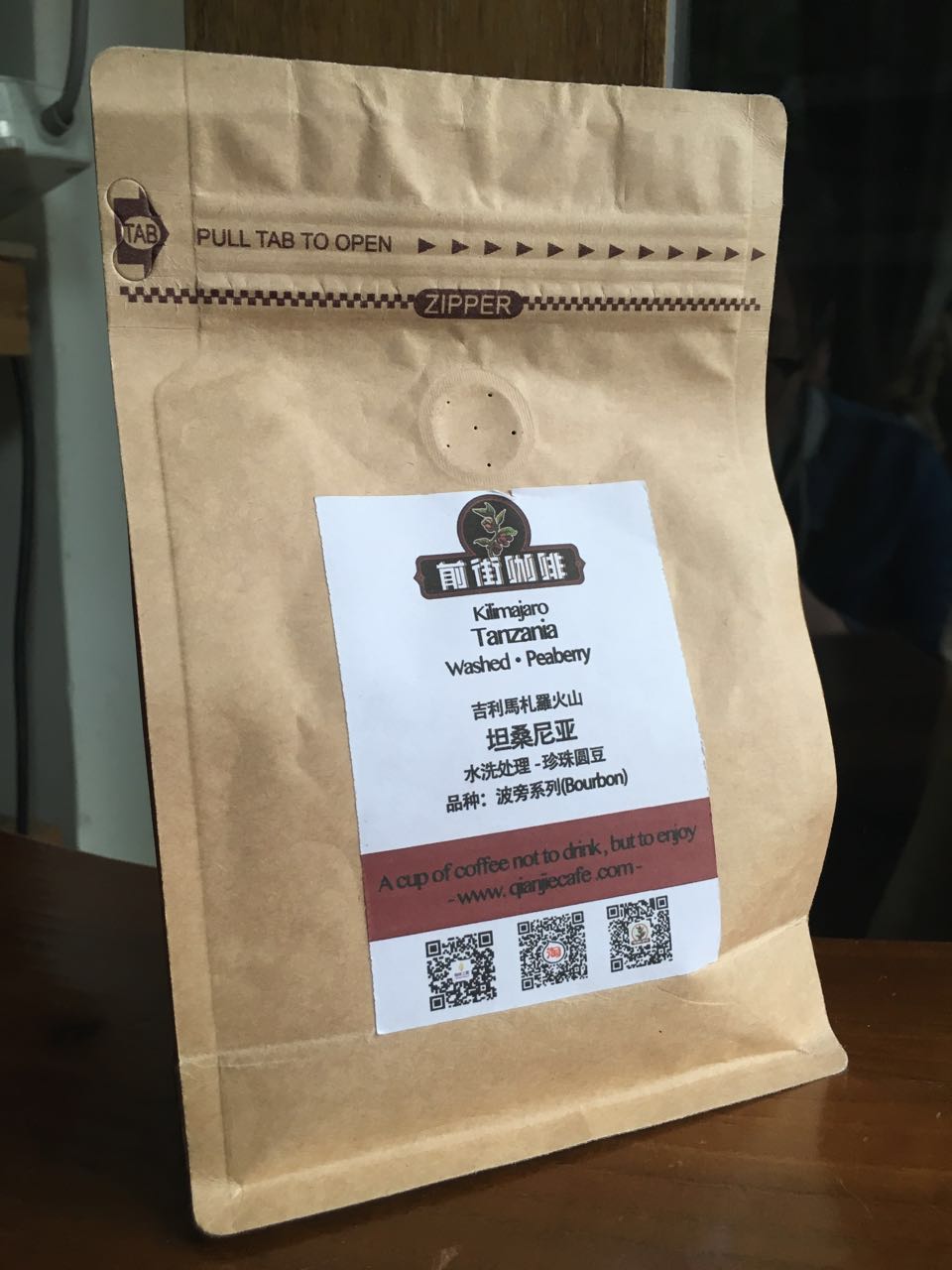
Costa Rica Coffee Flavors: Berries, Caramel, Cream, Spice
Explore the bright, fruity, and sweet flavors of Costa Rican coffee, especially from Tarrazú, known for its high-altitude beans and honey processing.
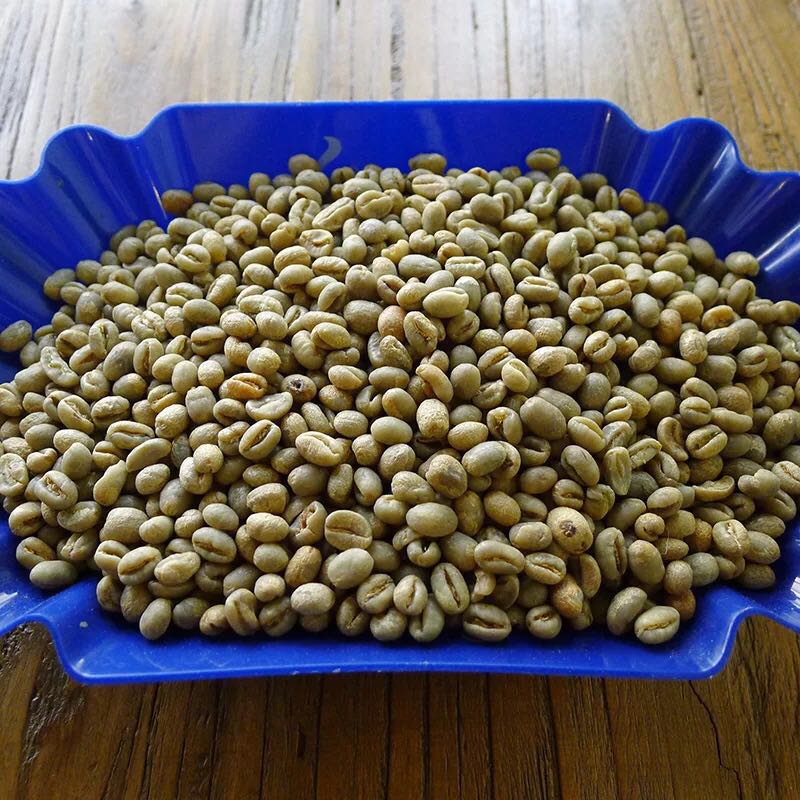
Costa Rica’s Tarrazú: Specialty Coffee’s High-Altitude Gem
Discover why Tarrazú produces Costa Rica’s most sought-after coffee—high elevation, volcanic soil, and careful processing create bright, sweet, and complex beans.
The Origins and Processing of Costa Rican Specialty Coffee
Learn how Costa Rica’s high-altitude farms produce bright, sweet coffee, with insights into its famed Tarrazú region and iconic honey process.
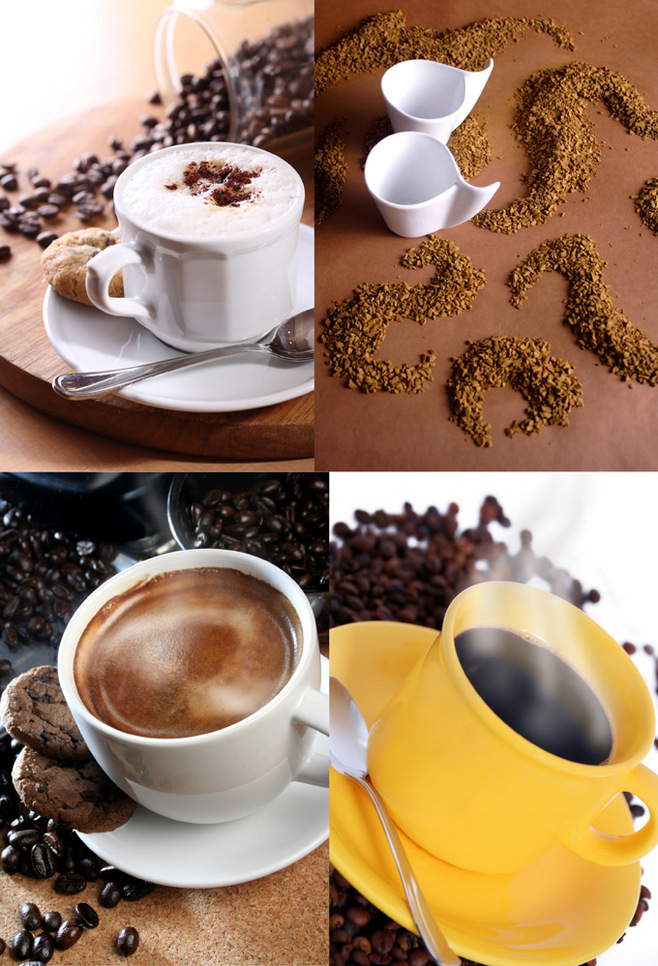
What Makes Costa Rican Coffee Special?
Discover why Costa Rican coffee is prized for its bright acidity, bold aroma, and high-altitude sweetness, especially from regions like Tarrazú.
Indonesian Mandheling Coffee Beans: G1 Wet-Hulled with Spice Notes
These Indonesian G1 Mandheling beans are medium-dark roasted via wet-hulling, offering syrupy sweetness, mint, spice, and tobacco. Ideal for dark roast fans.
Ethiopian Yirgacheffe Adado G1 Natural Process Coffee
Explore the Adado Cooperative’s G1-grade Yirgacheffe natural coffee: Ethiopian high-altitude beans with blueberry, citrus, and floral notes.