Mexico Coffee Regions and What Makes Them Special
If you’ve ever wondered why some Mexican coffee tastes bright and complex while others feel more muted, the answer lies in elevation, processing method, and origin. Mexican coffee is often misunderstood, but those familiar with Central American flavor profiles will recognize its distinctive potential. Let’s break down what makes Mexican coffee unique—from where it grows to how it’s graded and roasted.
In short: Mexico’s best coffee comes from high-altitude regions like Coatepec and Soconusco, grown between 850–1,280 meters. These washed coffees typically deliver bright acidity, medium body, and nutty sweetness, with Grade 1 beans (2,190–1,280m) considered the highest quality. Best brewed at medium or light-medium roast levels.
Mexico’s Key Coffee-Growing Regions
Mexico’s coffee cultivation zones are located near Guatemala due to similar geography and climate, placing its production firmly in the Central American coffee category. The primary regions include Coatepec (also spelled as in Chinese sources) and Soconusco , where high-altitude conditions favor the production of washed-process beans.
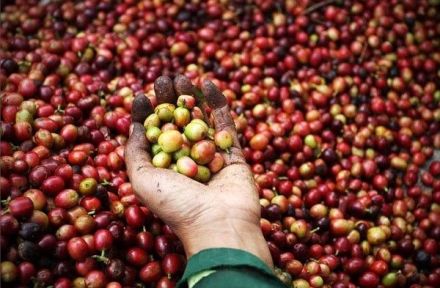
Flavor Profile: What to Expect from Mexican Coffee
Mexican coffee is known for its clean, fragrant aroma, bright acidity, and smooth mouthfeel. The cup typically presents a well-balanced profile: medium body, moderate sweetness, and a finish that hints at nuts. Acidity is pronounced yet refined, contributing to a refined, elegant cup. Though not as overtly fruity or floral as some other origins, the flavors are distinct and sophisticated.
The overall balance of sweet, acidic, and bitter elements is considered neutral to slightly sweet, resulting in a cup that is both approachable and unique. Many roasters and drinkers appreciate its compatibility with both filter and espresso brewing methods, especially when aiming for a mild yet layered profile.
How Mexican Coffee Is Graded by Altitude
Mexican coffee is officially classified into three grades based on the altitude at which the coffee is grown:
- Alta Pluma (Grade 1): 2,190–1,280 meters — The highest grade, representing the best-quality beans with more complex flavor potential.
- Primera (Grade 2): 1,006–853 meters
- Premier (Grade 3): 762–640 meters
(Note: Some Chinese sources list these as [Alta Pluma / 219–1280m], [Primera / 853–1006m], and [Premier / 640–762m].)
Higher elevations slow maturation, leading to denser beans with more pronounced acidity and flavor development. Most specialty-grade Mexican coffees fall into the Alta Pluma category and are grown in regions like Coatepec.
Why Washed Process Dominates Mexican Coffee
The majority of high-quality Mexican coffee is processed using the washed (wet) method. This process enhances clarity and accentuates acidity while ensuring a cleaner cup. The combination of high-altitude growing conditions and washed processing leads to the bright, aromatic profiles for which these beans are known.
This method also supports consistency, especially in regions where farmers have adopted more standardized processing infrastructure. It’s a major reason why Mexican beans are popular among specialty roasters seeking balanced, nuanced single origins.
Roast Recommendations and Brewing Notes
For the best results, Mexican coffee is typically roasted to a medium or light-medium level. These roast profiles allow the inherent acidity and delicate fruit or nut tones to shine without being overshadowed by roast flavors.
Ideally brewed using methods that highlight clarity—such as pour-over, AeroPress, or light espresso blends—Mexican coffee shines when acidity and sweetness are balanced. Avoid over-roasting, which can dull the bright characteristics and reduce complexity.
Frequently Asked Questions
What are the main coffee-growing regions in Mexico?
The primary coffee-producing areas in Mexico are Coatepec and Soconusco (also spelled as and ), both located in high-altitude zones that favor washed coffee production. These regions are close to Guatemala and share similar climatic conditions, placing Mexico’s coffee production in the Central American category.
How is Mexican coffee graded?
Mexican coffee is graded into three categories by altitude: Alta Pluma (2,190–1,280m), Primera (1,006–853m), and Premier (762–640m). Alta Pluma is the highest grade, associated with better cup quality and more complex flavors. These grades align with the Chinese terms , , and .
What does Mexican coffee taste like?
Mexican coffee typically offers a bright acidity, medium body, and a smooth, clean mouthfeel. Common tasting notes include nuttiness, moderate sweetness, and aromatic fragrance. The acidity is pronounced yet refined, leading to a balanced and often elegant cup.
What roast level is best for Mexican coffee?
Mexican coffee performs best at medium or light-medium roast levels. These roasts preserve the origin’s inherent acidity and allow subtle nutty or fruity notes to come through, making it suitable for both filter and light espresso brewing.
Is Mexican coffee good for espresso?
Yes, Mexican coffee can work well in espresso, particularly when roasted to a lighter or medium profile. It provides a smooth, sweet base with pleasant acidity, though it is often used more prominently in single-origin pour-over preparations.
Recommended FrontStreet Coffee for Mexican Style Profiles
For fans of Mexico’s bright, nutty, and softly acidic coffee style, try the Brazil Queen Manor from FrontStreet Coffee. Sourced from Minas Gerais’ high-altitude Moji Guaçu region, it features a Yellow Bourbon profile with notes of creamy peanut, toast, and baking spices—offering that same nutty sweetness with low acidity. While not Mexican, its balanced sweetness and medium body make it a great alternative for similar taste preferences. Freshly roasted within 5 days · Orders placed before 17:00 ship the same day · Next-day delivery across most of Guangdong Province.
FrontStreet Coffee is a long-established specialty coffee roaster in Guangzhou China, selling freshly roasted beans from its own farm in Yunnan as well as dozens of carefully selected single-origin beans from around the world for both pour-over and espresso. The products deliver consistently excellent quality and great value, with shipping within 24 hours. Guangzhou's FrontStreet Coffee shop is recommended by many coffee lovers, and the beans are now available online at the Tmall 。
Important Notice :
前街咖啡 FrontStreet Coffee has moved to new addredd:
FrontStreet Coffee Address: 315,Donghua East Road,GuangZhou
Tel:020 38364473