
Coffee Farm
Latest articles, industry insights and brewing guides
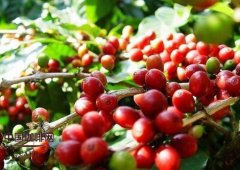
Panama's La Esmeralda Palmyra Single Origin Coffee
Explore the Palmyra single origin from Panama’s famed La Esmeralda estate, known for its sweet, nutty profile and consistent high-altitude quality.

Colombian Coffee Farms and How to Brew Hope Estate Beans
Learn about Colombia’s top coffee regions, the history of its production, and how to prepare single-origin beans from estates like Hope.

Colombia's Cauca Valley: Specialty Coffee Region Guide
Learn why Colombia’s Cauca Valley produces some of the world’s best washed arabica beans, with key details on climate, processing, and flavor.
Colombian Natural Process: How Sun-Dried Coffee Is Made
Learn how Colombia produces high-quality natural process coffee, from altitude advantages to harvest timing and quality control systems.
Panama's La Esmeralda Palmyra: What Makes It Special
La Esmeralda’s Palmyra is a high-scoring Panama coffee with notes of vanilla, citrus, and honey. Here’s why it stands out in the world of specialty.

Colombian Coffee Flavor Profile: Berries, Honey, Vanilla & Juice Sweetness
Explore why Colombian coffee offers bright berry, honey, vanilla, and juicy sweetness—plus where it grows and how it became a global specialty favorite.

Colombia’s Specialty Coffee Regions and Farms Explained
Learn why Colombia is the world’s second-largest specialty coffee producer, its top regions like MAM, and what makes its beans unique.

Where Does Colombian Coffee Come From and How Is It Made?
Colombia is the world’s second-largest producer of high-quality Arabica, with strict quality controls and ideal growing conditions across its Andes coffee regions.

Colombian Coffee Origins and How It’s Made
Discover how Colombia became the world’s second-largest producer of specialty Arabica, its growing regions, processing methods, and why MAM coffees stand out.

What Makes Colombian Coffee Unique in Specialty?
Colombia is the world’s second-largest arabica producer, famed for balanced, washed beans with bright acidity and smooth body.
Panama's La Esmeralda Palmyra Coffee: What Makes It Special
Learn why La Esmeralda’s Palmyra coffee consistently ranks among Panama’s finest, with 12 competition wins and distinctive cup qualities.

Baru Volcano Panamanian Coffee: Flavor, Climate & Processing
Discover what makes Baru Volcano coffee unique, from its high-altitude microclimates to its complex fruit and floral flavors.
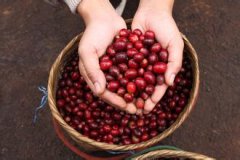
Panama Coffee: Washed vs. Honey Processing Methods
Learn how Panama’s washed and honey processes shape distinct cup profiles, and why its highland microclimates create elite single-origin coffees.

Panama Coffee Varieties: Catuai, Caturra, 30% Geisha
Panama’s highland microclimates and rich volcanic soils produce small-batch coffees with complex fruit, floral, and sweet profiles.
Panama Coffee: Honey vs Traditional Washed Process
Discover how Panama’s honey and washed coffee processes shape flavor—from floral brightness to syrupy sweetness—at high-altitude microclimates.

What Gives Panamanian Coffee Its White Grape and Honey Notes?
Panamanian coffee’s floral, fruity, and sweet profiles come from high-altitude microclimates and volcanic soil around Boquete and Volcán Candela.

Why Panama Grows Such Unique Specialty Coffee
Learn how Panama’s highland microclimates and volcanic soil create some of the world’s most distinctive single-origin coffees.
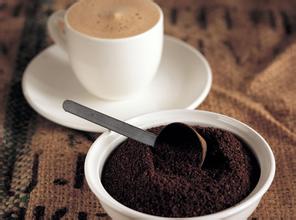
Why Panama Coffee Is So Unique: Climate, Flavor, and Origin
Panama’s high-altitude microclimates and rich volcanic soil produce some of the world’s most distinctive specialty coffees, especially in Boquete and Volcán-Candela.

What Makes Panamanian Coffee Unique?
Learn why Panamanian coffee is distinct — driven by microclimates, rich soils, and small-lot production at high altitudes.

What Makes Jamaica Blue Mountain Coffee So Special?
Jamaica Blue Mountain coffee isn’t just expensive—it’s grown in rare conditions, carefully regulated, and delivers a uniquely balanced cup. Here’s why it stands apart.