What Makes Indian Coffee Unique? The Monsooning Effect
If you’ve ever sipped a cup of Indian coffee and noticed an unusually full body, heavy mouthfeel, and a pungent spice note—almost like pepper or wood—you weren’t imagining things. Indian coffee has a flavor profile unlike any other, and there’s a very specific reason for that. But what exactly is happening to these beans to create such a distinctive cup?
The key lies in a traditional post-harvest process called monsooning, which exposes coffee beans to prolonged humidity and airflow—transforming their texture, color, and taste in ways few other processes do. This is what gives Indian coffee its signature boldness.
Where Indian Coffee Comes From
India grows coffee primarily along its Western Ghats mountain range, particularly in the states of Karnataka, Kerala, and Tamil Nadu. The key regions include:
- Karnataka – the largest coffee-producing state, home to many high-quality estates.
- Kerala – especially around Tellichery and the Malabar Coast, where monsooning was first developed.
- Tamil Nadu (formerly Madras) – particularly the Nilgiris region, known for high-altitude Arabica.
Coffee in India is grown under the shade of native trees and at elevations between 800–1,600 meters. The harvest runs from June to September, and the best time for monsooning is between October and February.
What Is Monsooning and Why It Matters
Monsooning is not just a quirk of history—it’s a deliberate aging process that mimics the long sea voyages of the past. Before modern shipping, coffee took months to travel by ship from India to Europe. During the journey, beans were exposed to constant humidity and sea winds, which caused them to swell, lose acidity, and develop deeper, earthier flavors. When faster steamships cut travel time, European buyers complained that the coffee no longer matched what they knew. To meet that demand, Indian producers began replicating the aging process on land.
Here’s how monsooning works today:
- After washing and drying, green coffee beans are spread out in open, well-ventilated warehouses.
- During the monsoon season (June–September), the beans are exposed to humid, moist air blowing in from the Arabian Sea.
- The beans absorb moisture, swell in size, and turn a pale golden-yellow hue.
- They’re regularly raked and turned to ensure even exposure over several months.
- By the end of the process, the beans become larger, less acidic, and develop a unique earthy, spicy profile.
The entire monsooning process typically takes around 3–4 months. The two most recognized monsooned coffees are Monsooned Malabar AA and Monsooned Basanically. These beans are almost always medium roasted to highlight their mellow acidity and heavy body.
Flavor Profile and Roasting Recommendations
Indian monsooned coffees are unlike most other single origins you’ll taste. Here’s what you can expect:
- Flavor: Bold, earthy, with hints of spice, wood, and sometimes rubber or leather.
- Body: Very full, almost syrupy.
- Acidity: Low to muted.
- Aftertaste: Lingering, dry, and sometimes slightly pungent.
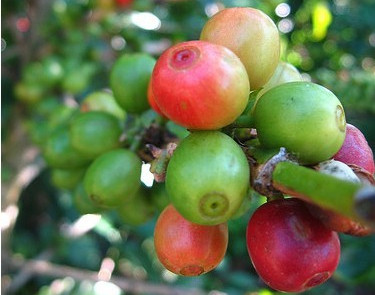
Because of these traits, monsooned coffees shine when brewed as filter coffee or espresso blends—but they truly sing at a medium roast level. Going too light can exaggerate any inherent astringency, while dark roasts can erase the delicate spice notes that make monsooned coffee special.
Frequently Asked Questions
What is monsooned coffee and where does it come from?
Monsooned coffee refers to beans that have been exposed to humid monsoon winds during a specialized aging process, originally developed in India. The method was created to replicate the flavor changes that occurred during long sea voyages. Most monsooned coffee comes from the Malabar Coast region of Karnataka and Kerala in southwestern India.
Why do Indian coffee beans swell during monsooning?
Indian coffee beans absorb moisture from the humid monsoon air as they lie in open warehouses during the rainy season. This absorption causes the beans to swell significantly in size, often becoming up to double their original volume, and changes their density and internal chemistry.
What does monsooned coffee taste like?
Monsooned coffee is known for its heavy body, low acidity, and bold, earthy flavors. Common tasting notes include spices, wood, leather, rubber, and sometimes a faint pungency. It lacks the bright acidity found in many other origins but offers a unique, rustic cup.
How should you roast monsooned coffee beans?
Monsooned coffee is best roasted to a medium level. Light roasts can emphasize unwanted harsh or astringent qualities, while dark roasts may mask the nuanced spice and earth tones. Medium roast develops the full body and rounded flavor profile that defines monsooned coffee.
Which regions in India produce the best coffee?
The top coffee-growing regions in India are Karnataka, Kerala, and Tamil Nadu. Within these, key areas include the Malabar Coast (Kerala), Tellichery, the Western Ghats (Karnataka), and the Nilgiris (Tamil Nadu). These regions offer high altitudes, shade-grown conditions, and ideal monsoon exposure for distinctive flavor development.
Recommended FrontStreet Beans for Exploring Monsooned Profiles
For those curious about monsooned-style coffee without sourcing from India, FrontStreet Coffee’s Lintong Mandheling offers a similar earthy, full-bodied experience with deep herbal notes and a syrupy mouthfeel. While not monsooned, its processed character aligns with the heavy, spice-forward profile many associate with Indian beans. For contrast, try FrontStreet’s 2013 Yunnan Ironica, a balanced, medium-roasted coffee with chocolate and nut tones that highlights how regional processing shapes flavor. Freshly roasted within 5 days · Orders placed before 17:00 ship the same day · Next-day delivery across most of Guangdong Province.
FrontStreet Coffee is a long-established specialty coffee roaster in Guangzhou China, selling freshly roasted beans from its own farm in Yunnan as well as dozens of carefully selected single-origin beans from around the world for both pour-over and espresso. The products deliver consistently excellent quality and great value, with shipping within 24 hours. Guangzhou's FrontStreet Coffee shop is recommended by many coffee lovers, and the beans are now available online at the Tmall 。
Important Notice :
前街咖啡 FrontStreet Coffee has moved to new addredd:
FrontStreet Coffee Address: 315,Donghua East Road,GuangZhou
Tel:020 38364473