
Coffee Farm
Latest articles, industry insights and brewing guides

Kenya Coffee Washed Process Explained
Kenya’s famed washed coffee owes its brightness and complexity to strict quality controls and a meticulous double-washed fermentation.
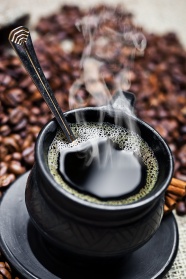
What Makes Kenyan Coffee So Fruity and Acidic?
Kenyan coffee is known for its intense floral and fruity flavors, high acidity, and complex sweetness. Learn why it’s among the best specialty coffees globally.
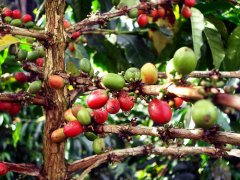
Hope Estate Mocca Honey: Colombia’s Rare Specialty Bean
Discover the sought-after Mocca variety from Colombia’s La Esperanza Estate, a rare honey-processed coffee with floral and fruity complexity.

What Makes Kenyan Coffee So Special?
Kenyan coffee is prized for its bright acidity, rich fruitiness, and complex aroma—here’s why this East African origin stands out.

Kenyan Coffee Origins and How It’s Made
Explore Kenya’s legendary coffee origins, elite processing methods, and why its beans deliver such vibrant fruitiness and acidity.
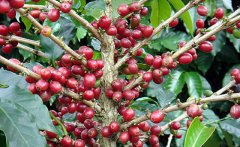
How Colombia’s Hope Estate Cultivated World-Class Geisha
Discover how Colombia’s Hope Estate grew Panama’s iconic Geisha variety to score among the world’s best coffees, despite initial setbacks.

What Makes Kenyan Coffee So Special?
Kenyan coffee is famed for its intense aroma, balanced acidity, and vibrant fruit flavors—qualities that make it a favorite among specialty roasters worldwide.

Guatemalan Coffee From La Linda Estate: What Makes It Special?
Guatemalan coffee, especially from high-altitude regions like La Linda Estate, delivers rich, balanced flavor with bold acidity and distinctive spice notes.

Guatemalan Bourbon and Caturra Specialty Coffee Varieties
Discover why Guatemala’s Bourbon and Caturra beans deliver bold, balanced flavor with high acidity and large bean size.

Washed Process for Guatemalan Specialty Coffee
Discover how Guatemala’s washed coffee method enhances clarity, acidity, and fruitiness—key traits of its high-altitude specialty beans.

Guatemalan Specialty Coffee: Black Tea, Floral Notes, Rich Caramel
Discover the rich, floral, and caramel-forward flavors of Guatemalan specialty coffee, known for its high-altitude complexity and balanced acidity.
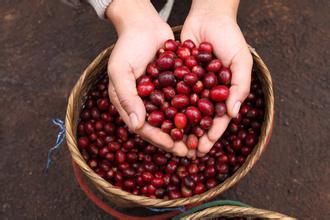
Guatemala Coffee: What Makes Its Hard Beans Special?
Discover why Guatemala’s hard-bean coffees, grown at high elevations, deliver rich, balanced flavors and a reputation making a comeback.

Guatemalan Specialty Coffee: Origins and Brewing Guide
Discover how Guatemalan specialty coffee regained its global reputation and learn how to brew its rich, balanced high-altitude beans.

What Makes Guatemalan Specialty Coffee Unique?
Discover the bold, balanced flavor and high elevation origins that define Guatemala’s specialty coffee, once hailed as among the world’s best.

Finca Ataisi: El Salvador’s Mild Specialty Coffee
Discover Finca Ataisi, a unique Salvadoran coffee estate producing balanced, smooth single-origin beans with mild acidity and medium body.

El Salvador’s Izalco Coffee: Mild Flavor from Sonsonate
Explore why Izalco coffee from El Salvador’s Sonsonate province offers a uniquely mild and balanced cup, favored by German importers.

Salvadoran Washed Process Coffee: Fermentation & Sun Drying
Salvadoran coffee uses a washed process with fermentation and sun drying, producing balanced, mild beans exported mostly from January to March.

What Does Salvadoran Coffee Taste Like? Nut, Chocolate & Fruit Notes
Salvadoran coffee offers a balanced profile with notes of nut, chocolate, passionfruit, cream and strawberry. Learn why it’s prized for smoothness and clarity.

Salvadoran Coffee: Mild Flavor from High-Altitude Farms
Explore why Salvadoran coffee offers balanced, mild flavor and learn how its rare Pacamara variety and unique growing history shape its profile.

Salvadoran Coffee Origins and Brewing Guide
Discover the smooth, balanced flavors of Salvadoran coffee, including its farming history, regional classifications, and brewing potential.