
Coffee Farm
Latest articles, industry insights and brewing guides

Kenya Kiambu Yara Peaberry: AA-Grade Single Origin
Explore Kenya’s AA-grade Kiambu Yara Peaberry, a high-altitude SL28/SL34 coffee with citrus, grapefruit, and deep dark fruit notes. Light roasted for clarity.
Kenya Kiambu Yara Peaberry AA Coffee Review
This rare Kenya peaberry from Yara Estate in Kiambu offers bright citrus, grapefruit, and dark fruit notes, grown at 1732m and processed washed.

Salvadoran Coffee Beans: Flavor, Profile & What Makes Them Unique
Discover Salvadoran coffee’s bright, balanced profile, rich chocolate notes in dark roasts, and why this Central American origin is rising in specialty circles.

Kenya AA Coffee Beans: What Makes Them Special?
Kenya AA coffee offers bright citrus acidity, winey depth, and layered fruit flavors, all thanks to its unique SL varieties and meticulous washing process.

What Happened to Angola’s Once-Great Coffee Industry?
Angola exported 3.5 million bags of mostly robusta in the 1970s—now it struggles to reach 200,000. Here's the full breakdown.

Ethiopia 90+ LevelUp Derar Ela: A Floral Natural Coffee from Sidamo
Discover the Ethiopian 90+ LevelUp Derar Ela, a natural-processed coffee from Sidamo known for its intense floral and fruity flavors. Learn about its origin, processing, and cup profile.

Guatemalan SL28 Natural Process Coffee from Guava Plain Estate
A rare SL28 varietal from Guatemala’s New Oriente region, processed as a winey natural with tropical and wine-like notes.

Why Guatemalan Huehuetenango and Antigua Coffee Beans Stand Out
Discover why Guatemalan coffee, especially from Huehuetenango and Antigua, stands out for its vibrant acidity, floral-fruity complexity, and smooth body.

Bali’s Hidden Specialty Coffee Beyond Golden Rabbit
Beyond Bali’s famous Golden Rabbit, a new generation of high-elevation, naturally processed Arabica rivals Central American single origins.

Bali’s Karana Estate Natural Process Coffee Review
A Bali coffee farm experiments with natural, honey, and washed processes, yielding tropical fruit-forward naturals rivaling Panama.

What Makes Java Coffee Unique in Flavor?
Java coffee delivers a bold, balanced cup with deep acidity and a lasting finish. Learn why it’s prized for its smooth bitterness and nutty complexity.

Nicaragua’s Jaime Molina Estate Red Bourbon Honey Process
A detailed look at Nicaragua’s Jaime Molina Estate Red Bourbon honey process lot, grown at 1400–1450m in Madriz and offering chocolate, red fruit, and balanced body.

Yellow Bourbon from Colombia's Huila Diamond Estate
A unique Colombian Yellow Bourbon lot undergoes dry fermentation and four-stage washing for bright acidity and caramel sweetness at 1667m.

Guatemalan Coffee: Flavor, Origins, and Specialty Beans
Discover the bold, balanced flavors of Guatemalan coffee, grown in high-altitude volcanic regions like Antigua and Huehuetenango.
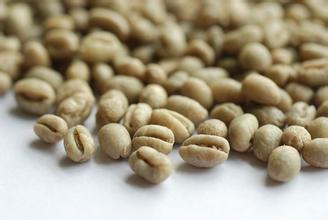
Colombian Coffee Beans from Nuevo Milenio Farm: Caturra & Typica Washed
Explore Colombian washed coffee from the Nuevo Milenio cooperative, featuring Caturra and Typica varieties grown at high elevations with balanced, classic profiles.
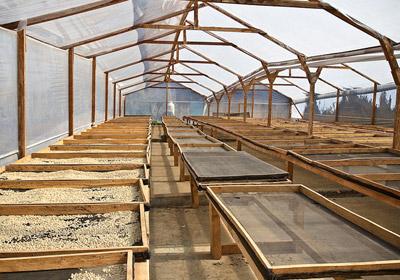
Royal Coffee from Costa Rica’s Tarrazú Region by San Ramon Mill
A rich, chocolatey washed coffee from Costa Rica’s Tarrazú, processed at San Ramon Mill with berries, caramel, and spice notes.

What Is Hawaiian Kona Coffee? Flavor & Profile Explained
Hawaiian Kona is a bright, smooth single-origin coffee with winey, fruity, and spicy notes. Grown on volcanic slopes, it offers a mild yet complex cup.
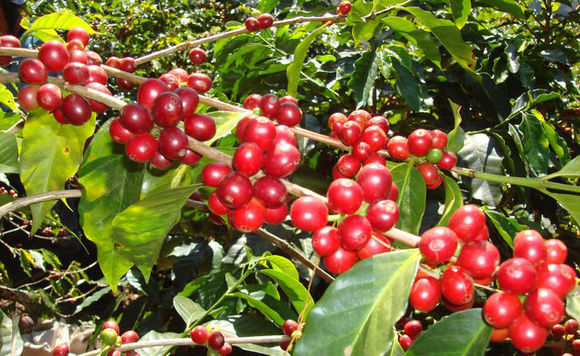
Yellow Bourbon Coffee from Colombia’s Huila Diamond Estate
A deep dive into Colombia Huila El Diamante Yellow Bourbon: its unique processing, high altitude, and why it tastes like hazelnuts and caramel.

Guatemala Antigua Coffee: What Makes It Unique?
Explore the distinctive features of Guatemala Antigua coffee, from its volcanic soil to microclimate, and why it scores high in cupping tests.

Honduras Coffee: Flavor, Regions & What Makes It Special
Explore Honduras coffee's unique flavor profile, major growing regions, and why this Central American origin is gaining global recognition.