
Coffee Farm
Latest articles, industry insights and brewing guides
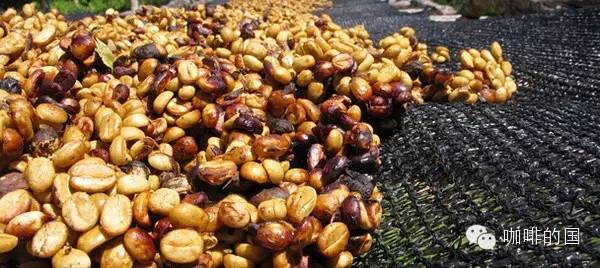
Sumatra Gayo Honey Process: What Makes It Unique
Explore the bold, low-acid profile of 19-mesh Aceh Gayo honey-processed coffee, with details on terroir, processing, and flavor results.
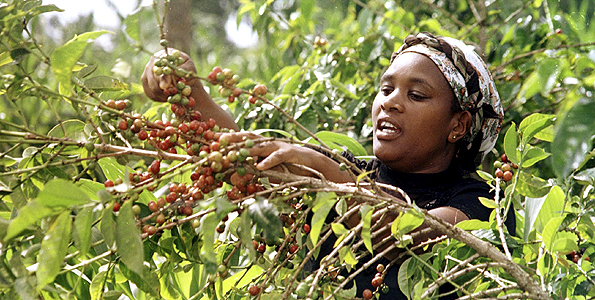
Ethiopian Natural Process Coffee from Bench Maji Forest
Discover the unique flavors of Ethiopian natural process coffee from the Bench Maji Forest, known for its wild, fruity, and wine-like profile.
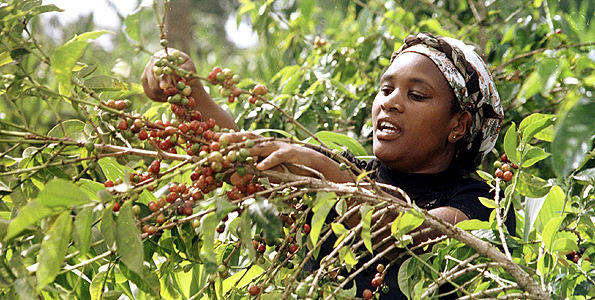
How Ethiopia Grades Its Specialty Coffee Beans
Learn how Ethiopia evaluates coffee quality using altitude, screen size, and defect rates, with details on a natural-process lot from Bench Maji.
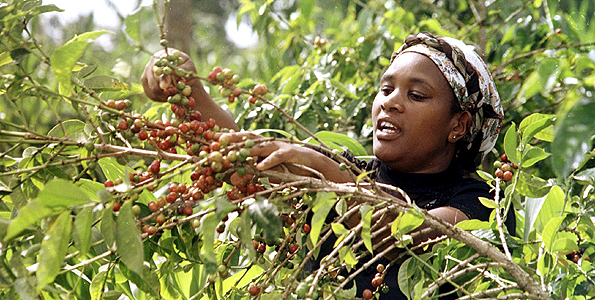
What’s Inside a Coffee Bean? Ethiopian Sidamo Natural Process
Learn how coffee beans grow, why seed selection matters, and explore the rich fruity profile of Ethiopian Sidamo natural process coffee.
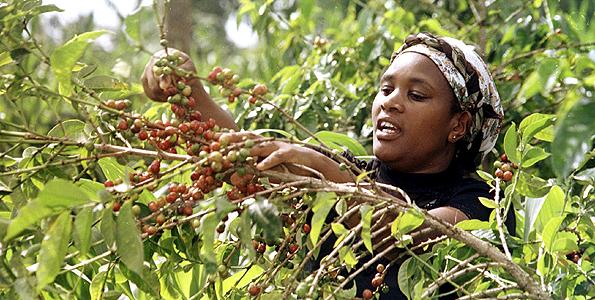
Why Ethiopia’s Sidamo Natural Process Coffee Stands Out
Sidamo’s natural-process coffees score 92–94 on Coffee Review for unique fruit complexity. This batch from Shilcho Co-op near Dilla shows why.
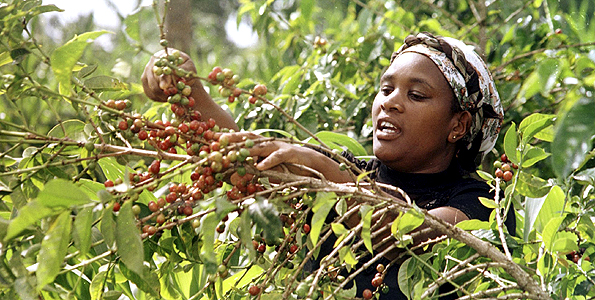
Washed vs Natural Process Coffee: What Changes in Flavor and Roast?
Learn how washed and natural Ethiopian coffee beans differ in moisture, defects, and roast behavior, with key numbers and flavor profiles.
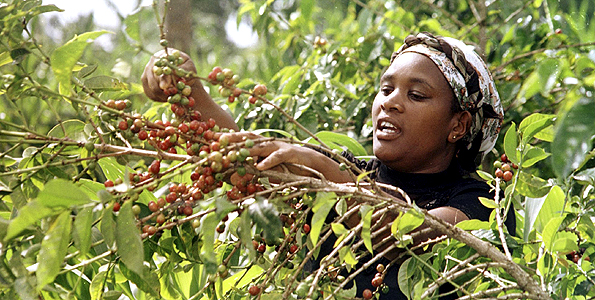
How Coffee Cherries Become Green Beans: Natural, Washed, and Honey Process Explained
Discover how coffee cherries transform into green beans through natural, washed, and semi-washed methods, with details on yield, time, and flavor impact.
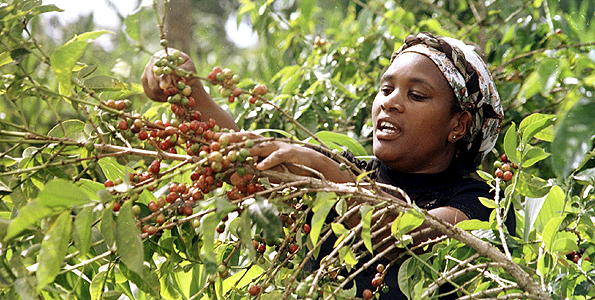
How Coffee Is Picked: Hand vs Machine in Colombia
Coffee is harvested 1–4 times a year, mostly in dry seasons. Most Arabica is hand-picked, but some regions use machines—here’s how each affects quality.
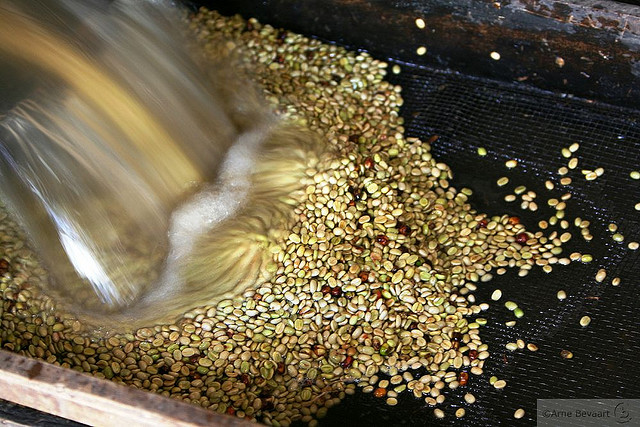
Colombian Coffee Varietals: From Typica to Catuai Explained
Explore Colombia’s diverse Arabica coffee varieties—Typica, Bourbon, Caturra, Catuai, and more—and learn how each shapes flavor.

Nicaraguan Specialty Coffee: Flavor & Origins Explained
Explore Nicaragua’s high-altitude coffee regions, key producing farms like El Limoncillo, and why its washed and honey coffees stand out.
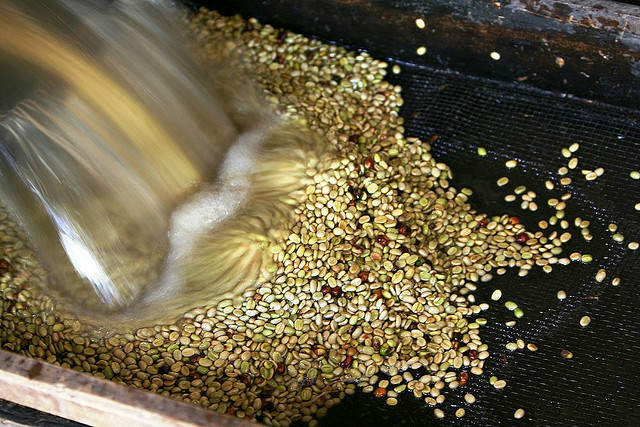
Colombia’s Coffee History and Key Varieties Like Catuai and Caturra
Learn how coffee reached Colombia in the 1700s, why it thrives there, and discover key varieties like Catuai and Caturra used in washed coffees like Santa Rita.
Colombian Washed Coffee: Santa Rita Catuai & Caturra
Santa Rita estate in Colombia grows washed Catuai and Caturra beans at 1600–2100m, offering clean, balanced flavors with moderate body and sweet notes.
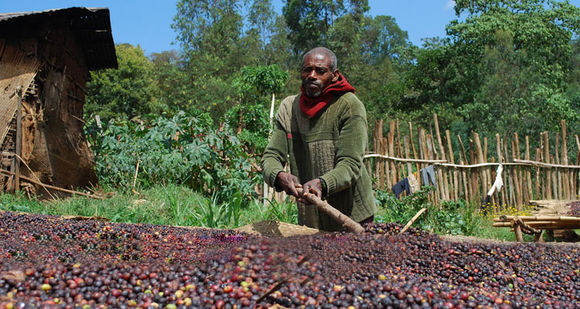
Colombian Mocha Honey Small Peaberry Coffee Beans
Explore Colombia’s historic coffee origins and the rare Mocha peaberry variety, now available as a honey-processed lot from La Esperanza estate.

How to Blend Coffee: 3 Basic Methods for Coffee Blends
Learn three beginner-friendly methods for blending coffee beans, with sample espresso recipes using Colombian, Brazilian, and other origins.
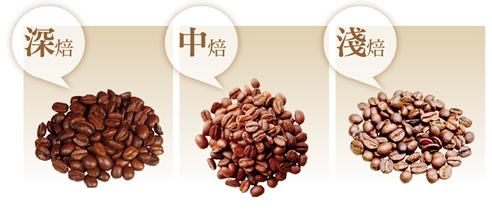
How to Blend Coffee Like a Pro Using Colombian and Brazilian Beans
Learn how to craft balanced coffee blends using 2–6 beans, with key ratios, flavor roles, and step-by-step methods for pros and home roasters.

What Makes Mexican Specialty Coffee Unique?
Explore Mexico’s high-altitude coffee regions and learn how elevation shapes its flavor profile, bean size, and aroma.
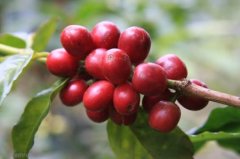
Colombia’s Cauca Coffee Region: What Makes It Special?
Explore Colombia’s Cauca coffee region, known for high-altitude Caturra, Typica, and Bourbon beans with bright acidity, sweet profiles, and floral notes.

Costa Rica El Salvador Estate: COE-Winning Coffee Beans
El Salvador Estate in Costa Rica won two awards at the 2013 COE competition. Its high-altitude beans are known for premium quality.

Costa Rica’s Shumawa Estate: Natural-Processed Villa Sarchi Beans
Explore Shumawa Estate’s natural-process Villa Sarchi beans from Costa Rica’s West Valley, offering flavors of honeyed apple, dried berries, and citrusy brightness.
What Is Caturra Coffee? Flavor, Origin & Key Traits
Caturra is a high-yield, dwarfed Bourbon mutation known for bright acidity. Learn its flavor profile, ideal growing altitudes, and where it thrives.