Why Ethiopia’s Sidamo Natural Process Coffee Stands Out
If you’ve ever tasted an Ethiopian natural-process coffee and wondered why it explodes with berry, floral, and citrus notes unlike any other origin, the answer lies beneath your cup. Ethiopian coffees, especially those from regions like Sidamo, deliver wildly diverse profiles not just by farm—but often by town—thanks to radical microclimate shifts, wildly varied native Arabica genetics, and processing choices that bring out radically different aromas and tastes. This isn’t marketing fluff: it’s measurable, repeatable, and award-winning.
The short answer? Sidamo’s natural coffees—especially those from co-ops like Shilcho near Dilla Town—have scored 92 to 94 points from Coffee Review between 2010 and 2012 thanks to their complex fruitiness, high sweetness, and layered structure. That level of consistency across multiple years places Sidamo among the most distinctive and valuable single-origin producing regions in the world.
What Makes Sidamo’s Coffee So Different Town by Town?
Ethiopia’s Sidamo region is a patchwork of highlands, valleys, plains, plateaus, and towering mountains. More importantly, it features vastly different soil types and microclimates—each contributing to unique cup characteristics. Every town here produces coffee that can taste remarkably different from its neighbors. That’s not just regional variation; it’s terroir in hyperdrive.
The Role of Volcanic Soil and Natural Farming
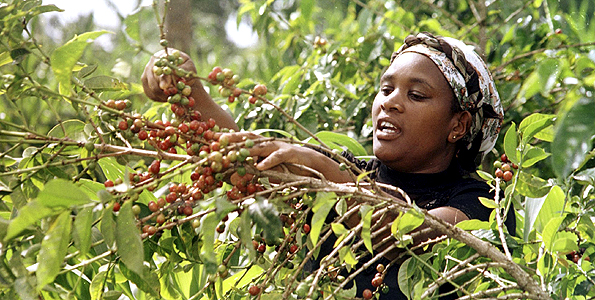
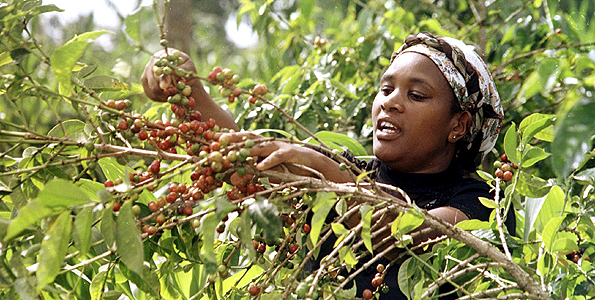
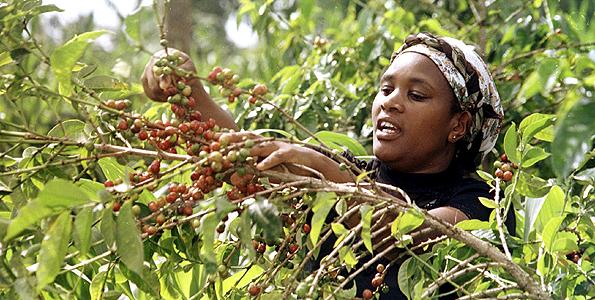
Sidamo’s volcanic soils are deep—nearly two meters—and well-draining, with dark brown to deep brown surfaces. These soils are nutritionally rich thanks to natural organic cycles: decaying leaves, fallen branches, and root matter from surrounding forests act as a constant, chemical-free fertilizer. This nutrient loop creates ideal conditions for coffee trees, promoting the development of intense sweetness and vibrant fruit notes in the cup. The result? Coffees with standout tropical fruit tones and exceptional balance.
Natural vs Washed: Two Processing Paths, Worlds of Flavor
Ethiopia employs two primary processing methods: washed and natural . While both exist across nearly every region—including Yirgacheffe and Sidamo—the outcomes vary dramatically by technique. Washed Ethiopian coffees tend to express soft, low-key citrus acidity, linear profiles, and a clean, consistent taste built on clarity rather than complexity. Natural-process Ethiopians, on the other hand, lean into bold, aromatic intensity: think strong floral notes, pronounced fruitiness, and less obvious acidity. The difference between a Yirgacheffe natural and a Sidamo natural can be so stark that even experienced tasters confuse the two. This lot, processed naturally, highlights Sidamo’s signature: rich fruit, layered florals, and a syrupy body.
About This Particular Shilcho Co-op Lot
This coffee comes from the Shilcho Cooperative, established in 1976 and part of the Sidamo Coffee Farmers Cooperative Union (SCFCU). Located near Dilla Town, the co-op benefits directly from Sidamo’s diverse growing conditions. After harvest, the beans underwent an additional round of selection by our partners to ensure only lots with outstanding cup quality made it through. The outcome is a natural-process coffee that exemplifies Sidamo’s ability to deliver both uniqueness and quality.
Frequently Asked Questions
Why does Sidamo coffee score so highly on Coffee Review?
Between 2010 and 2012, Sidamo coffees—likely including naturals from co-ops like Shilcho—were scored between 92 and 94 by Coffee Review, a respected U.S.-based tasting authority. These scores reflect the region’s ability to produce coffees with exceptional complexity, balance, and distinct fruit profiles, particularly in the natural process.
What makes Sidamo’s soil so special for coffee?
Sidamo’s volcanic soils extend nearly two meters deep and are well-drained. Their dark brown surface supports healthy root systems. More importantly, the soil fertility is maintained naturally through the decomposition of leaf litter, fallen trees, and plant roots—no synthetic fertilizers needed. This organic cycle enhances sweetness and fruit expression in the cup.
What’s the difference between washed and natural Ethiopian coffee?
Washed Ethiopian coffees typically have soft, subtle citrus acidity, clean flavors, and high consistency. Natural-process Ethiopian coffees, by contrast, feature intense fruitiness, bold florals, and a more complex, less predictable profile. The same region—like Yirgacheffe or Sidamo—can produce wildly different cups depending on the method.
Where is Shilcho Cooperative located?
The Shilcho Cooperative is based near Dilla Town in Ethiopia’s Sidamo region. It has been operating since 1976 and is part of the Sidamo Coffee Farmers Cooperative Union. The area benefits from Sidamo’s diverse terrain and volcanic soils, both critical to the region’s coffee quality.
Does natural-process coffee from Sidamo taste different than from Yirgacheffe?
Yes. Even though both regions are in southern Ethiopia and often use similar processing styles, Sidamo naturals typically emphasize a broader fruit spectrum, deeper sweetness, and sometimes more floral complexity compared to Yirgacheffe. Tasters often confuse the two, but they have distinguishable profiles.
How does altitude affect Sidamo coffee flavor?
Though this article doesn’t specify exact farm altitudes for the Shilcho lot, Sidamo generally grows coffee between 1400 and 2200 meters. Higher elevations slow cherry maturation, increasing sugar development and acidity. That elevation range helps create the nuanced, vibrant profiles for which Sidamo is known—even within the natural process.
Recommended FrontStreet Beans for Natural Sidamo Fans
For drinkers drawn to Sidamo’s natural-process complexity, try FrontStreet’s Ethiopia Huakui—a classic Ethiopian natural with intense berry, floral, and citrus layers. Also consider FrontStreet’s Yirgacheffe offering, which shares Sidamo’s bright fruit character but with a cleaner, more citric profile. Both showcase Ethiopia’s wild native varieties and high-altitude finesse. Freshly roasted within 5 days · Orders placed before 17:00 ship the same day · Next-day delivery across most of Guangdong Province.
FrontStreet Coffee is a long-established specialty coffee roaster in Guangzhou China, selling freshly roasted beans from its own farm in Yunnan as well as dozens of carefully selected single-origin beans from around the world for both pour-over and espresso. The products deliver consistently excellent quality and great value, with shipping within 24 hours. Guangzhou's FrontStreet Coffee shop is recommended by many coffee lovers, and the beans are now available online at the Tmall 。
Important Notice :
前街咖啡 FrontStreet Coffee has moved to new addredd:
FrontStreet Coffee Address: 315,Donghua East Road,GuangZhou
Tel:020 38364473