What’s Inside a Coffee Bean? Ethiopian Sidamo Natural Process
Ever tried planting green coffee ‘beans’ only to watch them sit lifeless in the soil? That’s because most commercial ‘green coffee beans’ aren’t raw seeds—they’re already roasted or hulled. To grow coffee, you need a living seed still wrapped in its protective parchment layer. Here’s what really makes up a coffee bean and how it becomes your morning brew.
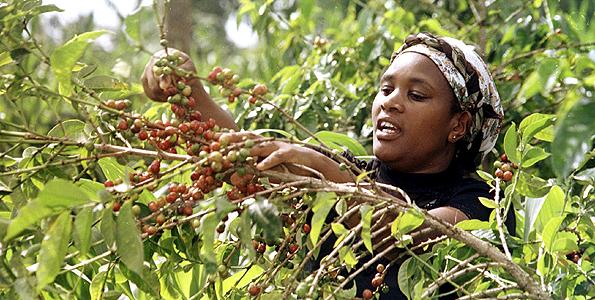
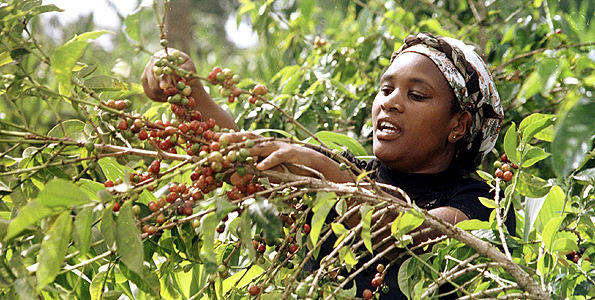
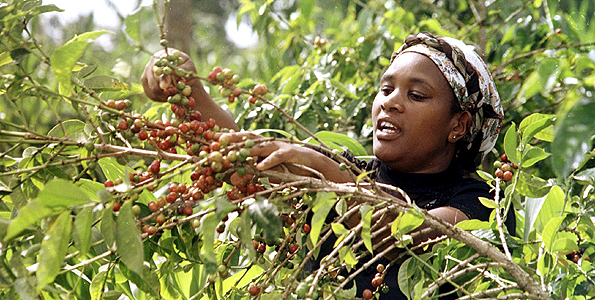
The coffee plant produces seeds inside bright red fruits called cherries. Each cherry usually holds two seeds surrounded by fruit pulp, a slimy membrane, a hard parchment shell, and a thin silver skin. The actual coffee seed—the part you roast—is buried deep inside. To grow coffee, you plant the whole parchment-covered seed, not the green bean you brew.
What’s Inside a Coffee Cherry?
A ripe coffee cherry is red and cherry-like, with a sweet, pulpy exterior. Beneath that skin lies a layer of mucilage (a sticky, sugary membrane), then the parchment—a tough, brown husk (called ‘’ in Chinese). Inside the parchment are two coffee seeds, each coated in a delicate silver skin. That inner seed, once hulled and dried, is the green coffee bean used for roasting.
How Coffee Grows: From Cherry to Seed
Coffee cherries mature over several months. When fully ripe, they turn a deep red and are handpicked to ensure quality. Each cherry typically holds two seeds, although some produce just one round bean known as a peaberry. The seeds are encased in layers—the outer fruit, a sticky mucilage, the parchment shell, and a fine silver skin. To cultivate coffee, farmers plant the parchment-enclosed seed, which germinates into a new coffee tree.
Why Ethiopian Coffee Farmers Focus on Quality Harvesting
In regions like Sidamo and Yirgacheffe, Ethiopian coffee growers have gained international attention by carefully selecting and processing only ripe cherries. Smallholder farms and cooperatives now market their beans under their own names to build brand trust. Whether using natural (dry) or washed methods, they emphasize precision at every stage—from harvesting only mature cherries to controlled drying—resulting in complex, aromatic profiles. Notable initiatives like the Dutch-backed Red Cherry Project have further elevated quality, with standout lots exhibiting intense fruit and dessert-like aromas.
Natural Processing in Sidamo: Step by Step
Ethiopian Sidamo farmers often use the natural (dry) process for their coffee cherries. In this traditional method:
- Only ripe, red coffee cherries are hand-selected.
- The cherries are spread out on raised drying beds under the sun.
- Every two hours, workers turn the cherries to promote even drying.
- The entire drying process lasts around 15 to 17 days.
- After drying, the cherries are hulled to remove the parchment and reveal the green coffee beans.
This careful, labor-intensive method preserves the fruit’s sugars and flavors, leading to a distinctive cup profile.
Flavor Profile of Ethiopian Sidamo Natural Coffee
The Sidamo natural process coffee described offers an aromatic and flavorful experience:
- Dry Aroma: Wild ginger lily, jasmine, honey, and lemon peel.
- Wet Aroma: Honey sweetness, maple syrup, cream, citrus, and floral notes.
- Flavor: Intense fruit character with notes of cantaloupe, strawberry, peach, and ripe berries. The body is silky smooth, the taste clean and balanced, with a lingering, dynamic sweet finish.
What Is a Parchment Bean?
A parchment bean refers to the coffee seed still enclosed in its tough, papery parchment layer . This protective coating surrounds the seed inside the coffee cherry and must be removed during milling before roasting. The presence of the parchment helps shield the seed during storage and drying.
Frequently Asked Questions
What part of the coffee cherry is actually planted to grow a coffee tree?
To grow coffee, you plant the seed still inside its parchment layer , not the green bean you brew. The parchment-encased seed is called a parchment bean, and it’s found inside the coffee cherry beneath the fruit pulp and mucilage.
What is the difference between a coffee bean and a coffee seed?
The coffee bean you roast is the seed inside the coffee cherry. However, before roasting, it is usually processed and hulled. The raw seed meant for planting is still covered by its protective parchment shell, which is removed during milling.
How are Ethiopian Sidamo natural process coffees made?
Sidamo natural coffees are made by handpicking ripe cherries, then drying them in the sun on raised beds for 15–17 days, with regular turning. After drying, the cherries are hulled to remove the parchment, leaving the green coffee bean ready for roasting.
What does a parchment coffee bean look like?
A parchment coffee bean is encased in a hard, brownish-yellow layer called the parchment (or or ). This layer protects the seed inside the coffee cherry and is removed during milling before roasting.
What are the flavor notes of Sidamo natural process coffee?
This Sidamo natural coffee has a rich fruit profile with dry aromas of wild ginger lily, jasmine, and honey. The wet aroma includes honey, maple, citrus, and floral scents. Flavors include cantaloupe, strawberry, peach, and berries, with a silky body and a sweet, lingering finish.
Why do Ethiopian coffee farms use their own brand names?
Many small Ethiopian farms and cooperatives now market coffee under their own names to establish brand identity and build consumer trust. This trend reflects their commitment to quality and traceability in both harvesting and processing.
Recommended FrontStreet Natural-Processed Ethiopian Coffees
For fans of Ethiopian natural process coffee, try FrontStreet Coffee’s Ethiopia Huakui, a high-elevation Sidamo lot with delicate floral aromas and complex fruit depth when roasted light. Also consider their Yirgacheffe Red Cherry, made from fully ripe cherries dried on raised beds, offering tropical fruit and bold sweetness. Both beans showcase the vibrant, juicy character typical of Ethiopia’s best naturals. Freshly roasted within 5 days · Orders placed before 17:00 ship the same day · Next-day delivery across most of Guangdong Province.
FrontStreet Coffee is a long-established specialty coffee roaster in Guangzhou China, selling freshly roasted beans from its own farm in Yunnan as well as dozens of carefully selected single-origin beans from around the world for both pour-over and espresso. The products deliver consistently excellent quality and great value, with shipping within 24 hours. Guangzhou's FrontStreet Coffee shop is recommended by many coffee lovers, and the beans are now available online at the Tmall 。
Important Notice :
前街咖啡 FrontStreet Coffee has moved to new addredd:
FrontStreet Coffee Address: 315,Donghua East Road,GuangZhou
Tel:020 38364473