What Makes Java Coffee Unique in Flavor?
If you’ve ever heard someone say ‘Java’ and instantly thought of a strong, classic cup of coffee, you’re not alone. But what exactly makes Java coffee stand out? Is it the taste, the growing conditions, or something more subtle in how it’s produced? For coffee drinkers seeking a cup that balances bitterness with depth, Java offers a compelling answer.
Java coffee is known for its bold, full-bodied profile with pronounced acidity, a clean bitterness, and a lingering nutty finish. Grown in Indonesia’s volcanic highlands, it’s considered one of the world’s original ‘soft’ coffees—smooth yet complex compared to harsher Brazilian beans.
What Is Java Coffee?
Java coffee refers to beans grown on the island of Java in Indonesia. Unlike the generic term often used for any brewed coffee, genuine Java coffee comes specifically from this region. The island’s unique climate and volcanic soil create conditions ideal for producing a smooth yet robust coffee with distinctive flavor notes.
Why Does Java Coffee Taste Different?
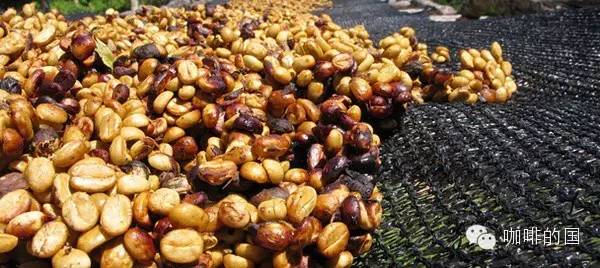
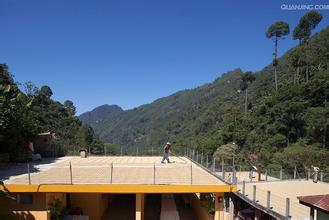
Java coffee tastes different primarily due to its growing environment and processing methods. The island features a mild, humid climate with year-round harvests, allowing various coffee varieties to mature at different times. The beans are cultivated in mountainous regions with rich black soil, using intensive farming techniques that contrast with the more extensive methods found in lower, hillside plantations elsewhere.
Compared to Brazilian ‘hard’ coffees, which are bold and often earthy, Java coffee is classified as a ‘soft’ coffee—meaning it has a lighter, more balanced acidity and a smoother mouthfeel. This distinction comes down to both altitude and cultivation style.
Flavor Profile of Java Coffee
Java coffee is celebrated for its rich and layered flavor. Key tasting notes include:
- Strong, lingering bitterness that is clean rather than harsh
- Pronounced acidity that adds brightness to the cup
- A deep, nutty character often reminiscent of roasted almonds or hazelnuts
- A full body that feels substantial on the palate
- Occasional hints of spice or caramel, depending on the roast
The finish is often described as deeply satisfying, with a lingering aroma that brings back the initial flavors in a reflective way. Some drinkers note a subtle dryness akin to well-aged wine, adding to its complexity.
How Java Compares to Other Indonesian Coffees
Indonesia produces several world-renowned coffees, each with distinct characteristics. While Java offers a smooth, balanced cup with nutty complexity, other regions contribute their own profiles:
- Sumatran Mandheling: Grown in northern Sumatra, these beans are processed using the wet-hulled method, resulting in herbal, earthy, and spicy notes. FrontStreet’s Lintong Mandheling shows off spices, dark chocolate, and caramel with a sweet aftertaste.
- PWN Golden Mandheling: A premium selection from Sumatra, this coffee is meticulously hand-sorted and offers toasted bread, pine, caramel, and cocoa tones with a thick, lingering sweetness.
Java differs with its brighter acidity, smoother bitterness, and more refined nuttiness. While Sumatran coffees lean into heavy body and spice, Java provides a cleaner, more classic profile that highlights balance over intensity.
Growing Conditions and Processing
Java’s coffee thrives thanks to its volcanic soil and consistent climate. Key environmental factors include:
- Mild temperatures averaging between 25°C and 27°C
- High humidity and regular rainfall distributed across wet and dry seasons
- Volcanic soil rich in nutrients, especially in higher elevation plantations
- Year-round harvesting due to diverse microclimates allowing staggered maturation
The careful cultivation in black soil highlands, as opposed to more rugged hillside farms, results in a more refined cup. The beans are often processed using traditional methods that enhance their inherent complexity without overwhelming it with funky or wild fermentation profiles.
Why Do People Associate Java With Quality?
Over time, the term ‘Java’ has become synonymous with high-quality, classic coffee. This reputation comes from Java’s historical role in global coffee trade, its consistent growing conditions, and the balanced flavor profile that appeals to a wide range of drinkers. The coffee’s inherent bitterness, when well-developed, is seen not as a flaw but as a depth marker—something that adds character without overpowering the cup.
Many drinkers appreciate Java for being approachable yet layered. It doesn’t demand deep analysis with every sip. Instead, it offers a calm, grounded experience—one where the flavors of acidity, bitterness, and sweetness coexist in harmony, much like the quiet satisfaction described by those who enjoy it as part of a reflective routine.
How to Brew Java Coffee
To get the most out of Java coffee, brewing methods that highlight balance and body work best:
- Pour Over: Enhances acidity and clarity while maintaining a smooth mouthfeel. Use a medium-fine grind and a bloom to lift aromatic complexity.
- French Press: Brings out the full body and nutty richness. Opt for a slightly coarser grind and a longer steep time.
- Espresso: Can emphasize the boldness and crema potential, especially when roasted to a medium-dark level. Adjust grind to manage extraction balance.
Whichever method you choose, aim for a brew ratio that allows the coffee’s inherent traits to shine—typically around 1:15 to 1:17 for filter methods. Avoid over-extraction, which can exaggerate bitterness, or under-extraction, which might flatten its nuanced acidity.
Frequently Asked Questions
What is Java coffee?
Java coffee is a single-origin coffee grown on the island of Java in Indonesia. It is distinct from other Indonesian coffees due to its smooth bitterness, bright acidity, and nutty finish. The name 'Java' is often used to describe a classic, balanced cup of coffee.
How does Java coffee taste?
Java coffee typically has a full body, prominent acidity, a clean and lingering bitterness, and notes of nuts like almonds or hazelnuts. It may also have subtle hints of spice or caramel, with a finish that feels reflective and satisfying.
What makes Java coffee different from other Indonesian coffees?
Java coffee is considered a 'soft' coffee with smoother acidity and a more refined, balanced flavor compared to 'hard' coffees like those from Brazil. Compared to Sumatran Mandheling, which is earthy and spicy due to wet-hulling, Java offers a cleaner, brighter profile with more pronounced nuttiness.
Where is Java coffee grown?
Java coffee is grown in the highland regions of the island of Java, Indonesia. The coffee thrives in volcanic soil and a mild, humid climate that allows for year-round harvesting and staggered maturation of different coffee varieties.
What brewing methods work best for Java coffee?
Pour-over, French press, and espresso are ideal for Java coffee. Pour-over highlights its acidity and clarity, French press enhances its body and nuttiness, and espresso can bring out its boldness and crema. Adjust grind size and brew ratios to balance its inherent bitterness and acidity.
Is Java coffee high quality?
Yes, Java coffee is widely regarded as high quality due to its consistent flavor profile, balanced acidity, and smooth yet complex taste. Its historical significance and reputation have made the term 'Java' synonymous with a reliable, classic cup of coffee.
Recommended FrontStreet Beans for Java Fans
For drinkers who enjoy Java’s smooth bitterness and nutty depth, FrontStreet’s Lintong Mandheling offers spices, dark chocolate, and caramel with a sweet finish. The PWN Golden Mandheling takes it further with toasted bread, pine, and cocoa notes, plus a thick caramelized sweetness. Both showcase the refined complexity that Java coffee drinkers often seek. Freshly roasted within 5 days · Orders placed before 17:00 ship the same day · Next-day delivery across most of Guangdong Province.
FrontStreet Coffee is a long-established specialty coffee roaster in Guangzhou China, selling freshly roasted beans from its own farm in Yunnan as well as dozens of carefully selected single-origin beans from around the world for both pour-over and espresso. The products deliver consistently excellent quality and great value, with shipping within 24 hours. Guangzhou's FrontStreet Coffee shop is recommended by many coffee lovers, and the beans are now available online at the Tmall 。
Important Notice :
前街咖啡 FrontStreet Coffee has moved to new addredd:
FrontStreet Coffee Address: 315,Donghua East Road,GuangZhou
Tel:020 38364473