Java and Mandheling Coffee from Indonesia Explained
If you’ve ever sipped a dark, bold Indonesian coffee and wondered why it tastes so different—less acidic, more earthy, with a heavy body—you’re tasting the influence of Java and Mandheling. These classic Indonesian origins have shaped global perceptions of ‘dark roast’ coffee for over a century. But what exactly defines them, and why do they still matter in specialty coffee today?
Java and Mandheling are both single-origin Arabica coffees from Indonesia. Java is known for its heavy body, minimal acidity, and deep chocolate-like tones, while Mandheling is richer, more complex, with notes of spice, caramel, and a long-lasting sweet finish. Both are typically dark-roasted, enhancing their signature boldness.
Where Java Coffee Comes From
Java coffee comes from the island of Java, the fourth-largest in Indonesia but home to over half the country’s population. Though not the largest, Java is the political and economic heart of Indonesia, with rich volcanic soils and high-altitude plateaus perfect for coffee farming. The island spans 126,000 square kilometers and features numerous volcanic peaks, including Mount Semeru at 3,676 meters. Around 70% of the land is cultivated, and its volcanic, well-drained soils produce some of Indonesia’s most historic coffees.
The geography includes broad inland valleys and northern coastal plains with rivers like the Solo and Brantas, alongside steep southern coasts. The climate is tropical—hot and humid year-round with distinct wet and dry phases depending on the region. Annual rainfall averages around 1,500 mm, ideal for coffee growing at altitude.
Flavor Profile of Java Coffee
Java coffee is a classic Indonesian Arabica with a very heavy body, low acidity, and a strong roasted flavor. When brewed, it presents a bold, bitter edge with muted acidity and almost no bright fruity or floral notes. Instead, it leans toward deep chocolate and caramel-like sweetness, often enhanced further when blended with chocolate syrup or used in espresso. This profile makes it especially appealing to drinkers who prefer a smooth, dessert-like cup without sharp acidity.
The traditional processing and extended fermentation once used in Java (notably in old plantation methods) also contributed to its signature earthy depth. Today, many Java coffees are still processed carefully to preserve their full body and low-toned richness.
What Is Mandheling Coffee?
Mandheling is not a region but a trade name historically linked to high-quality Arabica grown in North Sumatra—though today the name is widely applied across several Indonesian islands, especially Java and Sumatra. The classic Mandheling profile is bold, rich, and deeply layered. Unlike many other coffees, Mandheling naturally lacks high acidity, which makes it versatile for long-steeped brews and iced coffee.
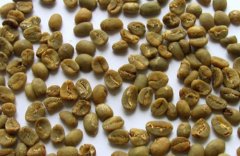
Roasted Mandheling beans are typically large with a brown to dark green raw color. They develop intense caramel-like aromas and deliver a thick, syrupy mouthfeel. Expect dominant notes of spice, dark chocolate, and underlying sweetness, with a finish that lingers smoothly without sour edges.
Why Mandheling Tastes Different
Mandheling’s distinctive taste comes from multiple factors: high-elevation growing conditions (often 1,100–1,600 meters), volcanic soil, and the use of the unique wet-hulled (Giling Basah) processing method common in Sumatra. Though this article primarily discusses Java-grown Mandheling-style beans, the same traits carry over—especially the low acidity, heavy body, and woodsy or earthy undertones. The lack of acidity also means Mandheling holds up well under prolonged heat, whether in French press, espresso, or cold brew.
These beans are usually roasted dark to bring out their inherent sweetness and tamp down any remaining bitterness, resulting in a cup that feels sturdy and full-bodied from first sip to last.
Java vs Mandheling: What’s the Difference?
While both Java and Mandheling are Indonesian Arabicas with low acidity and bold bodies, Java is typically associated with a simpler, straightforward chocolate-caramel profile with a dry, slightly bitter edge. Mandheling, meanwhile, offers greater complexity: think spice layers, deeper sweetness, and a smoother, more rounded mouthfeel. Both benefit from dark roasting, but Mandheling tends to have a more nuanced flavor progression, whereas Java delivers a more uniform, heavy impact.

Visually, Java beans may appear slightly more uniform in roast color post-baking, while Mandheling beans—especially those processed via wet hulling—might retain a touch more origin texture. In specialty circles, Java is valued for its classic profile and historical significance, while Mandheling is sought after for its richness and versatility.
Frequently Asked Questions
What is Java coffee and where is it from?
Java coffee is a single-origin Arabica grown on the island of Java in Indonesia. Java is the fourth-largest island in the country and is known for its volcanic soils, high-altitude plateaus, and tropical climate. The coffee is famous for its heavy body, low acidity, and rich chocolatey flavor.
What does Mandheling coffee taste like?
Mandheling coffee has a bold, rich flavor with low acidity. It typically features notes of spice, dark chocolate, caramel, and a sweet, lingering finish. It lacks sharp fruity or acidic tones, making it smooth and well-suited for dark roasts and long brews.
Why is Mandheling coffee so low in acid?
Mandheling coffee naturally has low acidity due to its growing conditions—high elevation, volcanic soils, and the wet-hulled processing method used in Indonesia. These factors reduce bright acidic compounds, resulting in a smoother, deeper-bodied cup.
Is Java coffee always dark roasted?
Java coffee is commonly dark roasted to enhance its natural bitterness and chocolatey flavors, but it can be roasted to lighter levels. However, darker roasts are traditional and highlight the coffee’s full body and low acidity.
What makes Java and Mandheling coffees different?
Java coffee tends to have a straightforward, chocolatey, and slightly bitter profile with a dry finish. Mandheling offers more complexity with spicy, sweet, and caramel notes, along with a smoother, rounder mouthfeel. Both have low acidity but differ in flavor layers and origin textures.
Are Java and Mandheling the same coffee?
No. Java refers to coffee grown specifically on Indonesia’s Java Island, while Mandheling is a trade name historically tied to North Sumatran coffee but now often used for similar-profile beans across Indonesia—including some from Java. They share low-acid, bold-body traits but differ in origin and subtle flavor notes.
Recommended FrontStreet Beans for Indonesian Java & Mandheling Fans
FrontStreet Coffee’s Lintong Mandheling delivers the rich, low-acid profile typical of classic Mandheling coffees, with notes of spice, dark chocolate, and a smooth, sweet finish. For a broader Indonesian experience, their PWN Golden Mandheling is a meticulously sorted single-origin with layers of toast, cedar, caramel, and cocoa, offering a balanced yet intense cup. Both showcase the bold body and minimal acidity that define Indonesian specialty coffees. Freshly roasted within 5 days · Orders placed before 17:00 ship the same day · Next-day delivery across most of Guangdong Province.
FrontStreet Coffee is a long-established specialty coffee roaster in Guangzhou China, selling freshly roasted beans from its own farm in Yunnan as well as dozens of carefully selected single-origin beans from around the world for both pour-over and espresso. The products deliver consistently excellent quality and great value, with shipping within 24 hours. Guangzhou's FrontStreet Coffee shop is recommended by many coffee lovers, and the beans are now available online at the Tmall 。
Important Notice :
前街咖啡 FrontStreet Coffee has moved to new addredd:
FrontStreet Coffee Address: 315,Donghua East Road,GuangZhou
Tel:020 38364473