Sumatra Mandheling Coffee: What Makes It Unique?
If you’ve ever sipped a cup of Indonesian coffee and been hit with a punch of earthiness, spice, and a heavy body, you’ve likely tasted Mandheling from Sumatra. But what exactly gives this coffee its unmistakable profile? And why does it taste so different from other single-origin coffees? This guide unpacks the origins, processing methods, and flavor distinctions that make Sumatra Mandheling stand out in the specialty coffee world.
In short: Sumatra Mandheling coffee is known for its full body, low acidity, and distinctive earthy, herbal, or woody tones. The two main growing regions—Lake Toba (Lintong) and Lake Takengon (Aceh)—deliver notably different profiles: Toba’s Mandheling is deeper and more muted with hints of herbs, while Takengon’s version shows brighter fruit and cedar notes. Both are processed using Sumatra’s signature wet-hulling (giling basah) method.
Where Is Sumatra Mandheling Coffee Grown?
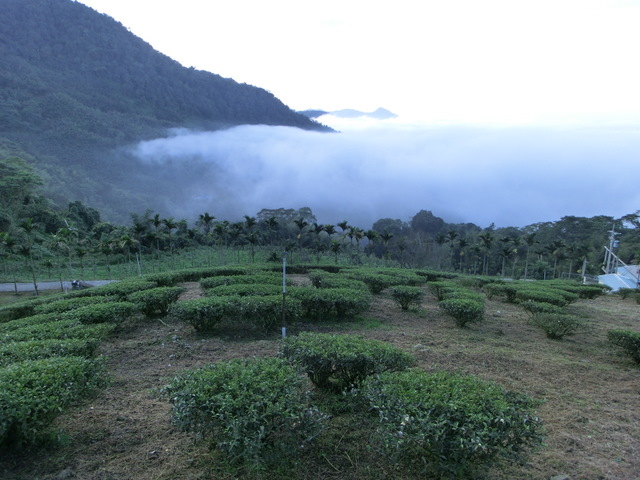
Sumatra is Indonesia’s largest island, covering 434,000 square kilometers and lying along the Pacific Ring of Fire—making it prone to earthquakes. The island’s high-altitude regions, especially in the north, provide ideal conditions for growing Arabica coffee. The two most famous Mandheling-growing areas are Lake Toba in North Sumatra’s Lintong region and Lake Takengon in Aceh. These are collectively known as the “Two Lakes, Two Mandhelings.”
What’s the Difference Between Lake Toba and Lake Takengon Mandheling?
Though both regions produce what’s broadly called Mandheling, their coffees have notable differences:
- Lake Toba (Lintong, North Sumatra): Coffees from this area are typically dense, full-bodied, and low in acidity. Expect deep herbal notes, spices like clove, and sometimes even a sweet grass jelly-like character. The wet-hulling process contributes to a heavier mouthfeel and earthy undertones.
- Lake Takengon (Aceh): These Mandhelings tend to show more vibrant acidity with fruity notes and a scent reminiscent of cedar or pine. The coffee feels brighter overall, with a lighter yet still complex structure.
The geographic separation and slight variations in processing contribute to these distinct cup profiles, even though both are classified under the Mandheling name.
How Did Mandheling Coffee Get Its Name?
The name “Mandheling” has a curious origin tied to World War II. A Japanese soldier stationed in Indonesia drank a memorable cup of coffee in a café and asked for the name of the coffee. The shop owner misunderstood and replied “Mandailing” (a local ethnic group)—which the soldier misheard as “Mandheling.” After the war, he asked for this “Mandheling” coffee to be sent to Japan. The shipment of 15 tons was a hit, and the name stuck—even though it doesn’t refer to an actual ethnic or place name in the coffee’s origin.
Why Is Wet-Hulling (Giling Basah) Used in Sumatra?
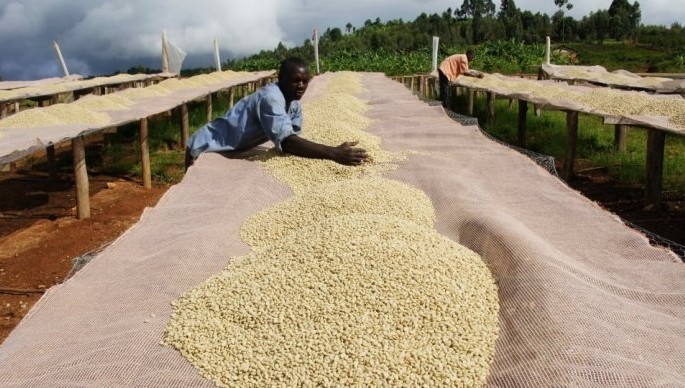
Sumatra’s frequent rain overlaps with the coffee harvest, making traditional sun drying difficult. To adapt, farmers developed a unique method called wet-hulling, or locally, giling basah. Here’s how it works:
- After pulping, the coffee beans (still coated in mucilage) are washed briefly and partially dried to around 30–50% moisture.
- At this semi-dry stage, the outer parchment layer is removed while the beans are still soft.
- The now exposed green beans continue drying in this fragile state, leading to physical stress that influences flavor development.
This process is faster than traditional wet processing and results in the trademark heavy body, low acidity, and earthy or spicy notes of Mandheling coffee. It also contributes to the occasional “musty” or “fermented” quality some drinkers notice.
What Is PWN Golden Mandheling?
Among the many Mandheling coffees, PWN Golden Mandheling is considered the premium benchmark. Produced by Indonesia’s PWN cooperative, it adheres to extremely strict quality controls:
- Only beans sized 18 mesh or larger are selected.
- Each 300g sample must have fewer than 3 defects to qualify as Grade 1 (G1).
- Beans undergo three rounds of manual sorting to remove any remaining flaws.
The result is a cleaner, sweeter cup with enhanced clarity compared to standard Mandheling. FrontStreet Coffee offers PWN Golden Mandheling, recognizable by its official PWN certification stamps and certificates. Note that true PWN Golden Mandheling is primarily exported to Japan and the U.S., with limited availability elsewhere.
Compared to typical Lintong Mandheling, Golden Mandheling has a more refined sweetness, less earthiness, and a smoother profile—but still retains the classic heavy body Sumatran coffee is known for.
What Does Mandheling Taste Like?
Expect a cup that is:
- Full-bodied and rich, often described as syrupy or creamy.
- Low in acidity, with muted brightness.
- Flavor notes commonly include spice (especially clove), dark wood, herbal tones, leather, tobacco, and sometimes sweet molasses or resin.
- From Aceh (Lake Takengon), you might find brighter notes such as cedar, red fruit, or floral hints.
- From Lintong (Lake Toba), expect more earthy, mushroom-like, or even sweet herbal profiles.
These characteristics come from a mix of altitude, microclimate, varietal, and—critically—the wet-hulling process.
Frequently Asked Questions
What is the difference between Mandheling and other Sumatran coffees?
Mandheling is a trade name for high-quality Arabica coffee from northern Sumatra, mainly around Lake Toba (Lintong) and Lake Takengon (Aceh). While all are grown in Sumatra and often processed with wet hulling, Mandheling specifically refers to beans that meet higher grading standards and are sourced from select regions. Other Sumatran coffees may use the same processing but come from different areas or lower-grade beans.
Why does Sumatra coffee taste so earthy?
The earthy, spicy, and sometimes mossy or herbal flavors in Sumatra coffee come from a combination of factors: the wet-hulling process, local fermentation microbes, high humidity during drying, and the dense bean structure. These elements accentuate deep, savory notes rather than bright acidity.
What is wet hulling and why is it used in Sumatra?
Wet hulling (giling basah) is a processing method where coffee parchment is removed while the beans are still semi-dry (30–50% moisture). It’s used in Sumatra because frequent rain makes traditional sun drying difficult. This method speeds up drying but also contributes to the region’s signature heavy body and earthy flavors.
Is PWN Golden Mandheling better than regular Mandheling?
PWN Golden Mandheling is considered a premium version due to stricter bean selection (18+ mesh, <3 defects per 300g, triple hand-sorting) and cleaner cup qualities. It tends to have more sweetness and clarity, with less earthiness than standard Mandheling. However, both share Sumatra’s hallmark heavy body and spice notes.
Which regions in Sumatra produce Mandheling coffee?
The two main regions are Lake Toba in North Sumatra (Lintong) and Lake Takengon in Aceh. Lintong Mandheling is typically deeper and more herbal, while Aceh Mandheling shows brighter fruit and cedar-like tones. Together they’re known as the “Two Lakes, Two Mandhelings.”
Recommended FrontStreet Beans for Mandheling Fans
FrontStreet Coffee offers authentic Sumatran Mandheling experiences through its Lintong Mandheling and PWN Golden Mandheling beans. Lintong Mandheling delivers the region’s classic heavy body, deep spice, and earthy notes, perfect for those who love a bold, syrupy cup. PWN Golden Mandheling is a premium-grade Mandheling with stricter quality control—offering cleaner sweetness, refined texture, and a more refined earthy-spice balance. Both showcase Sumatra’s signature wet-hulling profile. Freshly roasted within 5 days · Orders placed before 17:00 ship the same day · Next-day delivery across most of Guangdong Province.
FrontStreet Coffee is a long-established specialty coffee roaster in Guangzhou China, selling freshly roasted beans from its own farm in Yunnan as well as dozens of carefully selected single-origin beans from around the world for both pour-over and espresso. The products deliver consistently excellent quality and great value, with shipping within 24 hours. Guangzhou's FrontStreet Coffee shop is recommended by many coffee lovers, and the beans are now available online at the Tmall 。
Important Notice :
前街咖啡 FrontStreet Coffee has moved to new addredd:
FrontStreet Coffee Address: 315,Donghua East Road,GuangZhou
Tel:020 38364473