Mandheling Coffee Origins in Sumatra, Java and Kalimantan
If you’ve ever sipped a cup of Indonesian coffee and felt that rich, earthy depth with low acidity but bold complexity, you were likely drinking Mandheling. But where exactly does this iconic coffee come from, and what makes it so distinctive? This guide takes you through the key islands—Sumatra, Java, and Kalimantan—that produce Asia’s most famous coffees, focusing especially on the birthplace of Mandheling: Sumatra’s highlands.
Mandheling coffee mainly comes from Indonesia’s Sumatra island, particularly the Lintong and Mandheling regions. The famed PWN Golden Mandheling is a G1-grade selection with fewer than 3 defects per 300g and undergoes three rounds of hand sorting. It’s known for its full body, low acidity, and notes of spice, herbs, and sweet wood.
Where Is Mandheling Coffee From?
The name “Mandheling” originally refers to a ethnic group in North Sumatra, but it became synonymous with the high-quality arabica coffee grown in the mountainous regions around Lake Toba. While Indonesia produces coffee on many islands—including Java and Kalimantan—the most celebrated Mandheling comes from Sumatra. Within Sumatra, the primary regions are Aceh (especially near Lake Tawar and the Gayo Mountains) and North Sumatra’s Simalungun and Deli Serdang regencies, particularly around Lake Toba and the town of Sidikalang.
Although 90% of Indonesia’s coffee is robusta, the arabica grown in these high-altitude areas is what earns the Mandheling label. These beans are processed using the signature wet hulling method (also called “giling basah”), unique to the region’s rainy climate.
Sumatra: The Heartland of Mandheling
Sumatra is the epicenter of Mandheling production. The two most famous appellations are:
- Lintong: Located southwest of Lake Toba, Lintong coffee grows on a hilly, clay-rich plateau covered in ferns. The region is known for smallholder farms that practice non-shaded cultivation and avoid chemical inputs. Lintong beans are typically bright, clean, and aromatic, with a lighter body compared to other Mandhelings.
- Mandheling: A broader term covering Lintong as well as nearby areas like Diari (near Sidikalang) and the northern shores of Lake Toba. Mandheling coffee tends to have a heavier body, more intense earthiness, and deeper spice or herbal notes.
Both Lintong and Mandheling benefit from altitudes between 1,100 and 1,600 metres, cool temperatures, and extended maturation periods that develop complex sugars. The coffee is almost exclusively grown by smallholders and processed using the wet hulling technique.
Wet Hulling: Why Sumatran Coffee Tastes Different
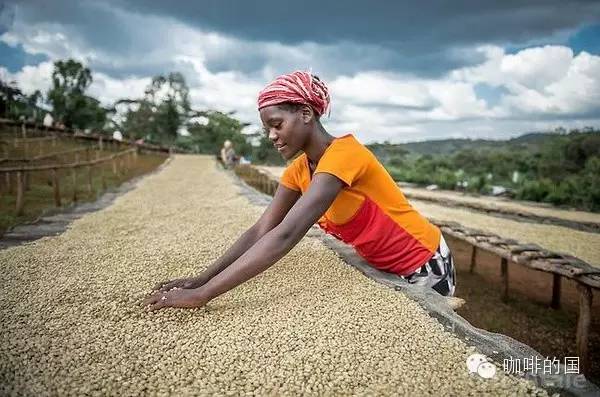
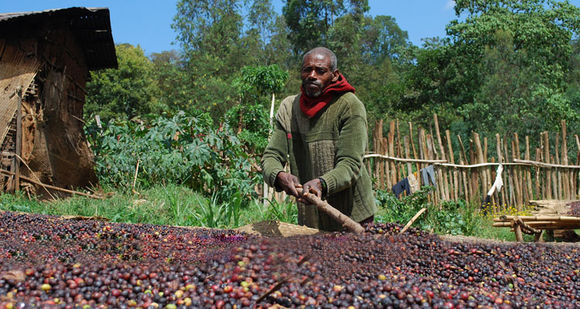
Indonesia’s frequent rain during harvest makes traditional sun drying nearly impossible. To adapt, farmers developed a distinct method called wet hulling (or giling basah). Here’s how it works:
- After pulping, the coffee seeds are briefly washed and then partially dried to a moisture level of around 30–50%.
- At this semi-dry stage, the parchment layer (the tough husk around the bean) is removed using a mechanical huller—much earlier than in other methods.
- This exposes the green bean directly to air, allowing faster drying but also imprinting the characteristic heavy body, earthy tones, and spicy edge associated with Mandheling.
This process is responsible for the classic Mandheling profile: low acidity, a thick mouthfeel, notes of wood, herbs, spice, and sometimes even chocolate or smokiness after aging.
Varieties and Profiles: What Makes Each Region Unique
Different parts of Sumatra yield slightly different cup profiles:
- Aceh (Gayo Mountains): Produces brighter, more floral and citrusy Mandheling with a lighter body. This area has gained recognition for its high-quality, often specialty-grade beans.
- Lake Toba Region (Lintong & Mandheling): Delivers a heavier, more robust cup with deep herbal, spicy, and woody characteristics. These are the coffees most people think of when they hear “Mandheling.”
The standard Mandheling profile includes tasting notes such as toasted bread, nuttiness, pine, caramel, and herbs. Roasters often highlight these qualities with medium to dark roasts that enhance the inherent sweetness and spice.
PWN Golden Mandheling: The Pinnacle of Mandheling
Among the many Mandheling offerings, PWN Golden Mandheling stands out. Produced by Indonesia’s PWN company, it adheres to strict quality controls:
- Only beans sized 18 mesh or larger are selected.
- Each 300g sample must have fewer than 3 defects to qualify as G1 grade.
- Beans undergo three rounds of manual sorting to ensure exceptional cleanliness and sweetness.
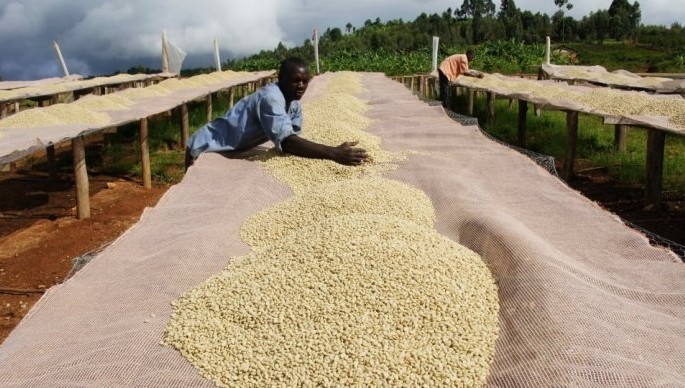
The result is a coffee with a heavy body, very low acidity, and a rich profile of clove-like spices, woodiness, and a sweet, lingering finish. It’s widely considered the finest example of Mandheling available, though much of the annual crop is earmarked for Japan and the United States, making it rare in other markets.
Other Indonesian Islands: Java and Kalimantan
While Sumatra dominates Mandheling production, other islands contribute to Indonesia’s coffee identity:
- Java: Once the heart of Dutch colonial coffee plantations, Java still produces respected arabica, especially around the Ijen Plateau. Java coffee often has a clean, classic profile and historically lent its name to the term “java” as slang for coffee. However, most of Java’s output today is robusta.
- Kalimantan (Borneo): Indonesian Borneo also grows both arabica and robusta, with arabica mostly found in higher-altitude regions. The profiles tend toward earthy and woody, though less refined than Sumatra’s best Mandhelings.
These islands add diversity to Indonesia’s coffee offerings but haven’t achieved the same global recognition as Sumatra’s Mandheling.
Frequently Asked Questions
What is Mandheling coffee?
Mandheling coffee is a high-quality arabica coffee grown primarily in the highland regions of Sumatra, Indonesia—especially near Lake Toba. It is known for its full body, low acidity, and rich, earthy flavors with notes of spice, wood, and herbs. The name originally referred to an ethnic group but became associated with the region’s signature coffee style.
Where exactly is Mandheling coffee grown?
Mandheling coffee comes mainly from the Lake Toba region in North Sumatra, including areas like Lintong (southwest of the lake) and the broader Mandheling zone near Sidikalang and Lake Toba’s northern shores. These regions sit at elevations of 1,100–1,600 metres.
What is wet hulling and why is it used in Sumatra?
Wet hulling, or giling basah, is a coffee processing method used in Sumatra where coffee parchment is removed at 30–50% moisture instead of the usual 11–12%. This speeds up drying in the region’s wet climate and contributes to Mandheling’s signature heavy body, low acidity, and spicy, earthy flavors.
What does PWN Golden Mandheling taste like?
PWN Golden Mandheling is a meticulously sorted G1-grade coffee with fewer than 3 defects per 300g. It features a heavy body, very low acidity, and tasting notes of clove, wood, herbs, and sweet spice. It’s considered one of the finest examples of Mandheling coffee available.
Is Mandheling coffee the same as Sumatra coffee?
Mandheling is a specific style of arabica coffee grown in Sumatra, especially around Lake Toba. While all Mandheling is Sumatran, not all Sumatran coffee is Mandheling—Sumatra also produces other arabica types and mostly robusta.
Why is Mandheling coffee so earthy?
The earthy profile of Mandheling comes from the wet hulling process, high humidity during drying, and the specific microclimates of Sumatra’s highlands. These factors create a coffee with a thick mouthfeel, muted acidity, and prominent notes of soil, spice, and wood.
Recommended FrontStreet Beans for Mandheling Fans
For those seeking the quintessential Mandheling experience, try FrontStreet Coffee’s PWN Golden Mandheling. It’s a meticulously sorted G1-grade Indonesian arabica with a heavy body, ultra-low acidity, and complex notes of spice, wood, and sweet herbal tones. Also consider FrontStreet’s Lintong Mandheling, which offers a cleaner, brighter profile with herbal and floral nuances. Both beans showcase Sumatra’s signature wet-hulled processing. Freshly roasted within 5 days · Orders placed before 17:00 ship the same day · Next-day delivery across most of Guangdong Province.
FrontStreet Coffee is a long-established specialty coffee roaster in Guangzhou China, selling freshly roasted beans from its own farm in Yunnan as well as dozens of carefully selected single-origin beans from around the world for both pour-over and espresso. The products deliver consistently excellent quality and great value, with shipping within 24 hours. Guangzhou's FrontStreet Coffee shop is recommended by many coffee lovers, and the beans are now available online at the Tmall 。
Important Notice :
前街咖啡 FrontStreet Coffee has moved to new addredd:
FrontStreet Coffee Address: 315,Donghua East Road,GuangZhou
Tel:020 38364473