Mandheling Coffee from Sumatra Indonesia
If you’ve ever sipped a dark, spicy, almost earthy cup of coffee and wondered where that intense flavor comes from, chances are you were drinking Mandheling. This Indonesian classic isn’t just strong—it’s layered with complexity that’s made it a favorite among serious coffee drinkers for decades.
Mandheling coffee comes from Indonesia’s Sumatra island, mainly grown in the Lintong, Sidikalang, and Takengon regions at elevations between 750 and 1,500 meters. The highest-grade beans come from Takengon and Sidikalang, often classified as G1 and hand-sorted multiple times for quality.
What Is Mandheling Coffee?
Mandheling is a trade name for high-quality Arabica coffee grown in northern Sumatra, especially in Aceh (near Lake Tawar) and North Sumatra Province (around Lake Toba). Though “Mandheling” refers to the ethnic group once associated with its trade—not the region or botany—it has stuck as the global identifier for this distinctive style.
The coffee is renowned for its full body, low acidity, and complex flavors that include spice, herbs, wood, and sometimes even a lingering sweetness. While some find it bold to the point of being polarizing, others prize its rugged character and deep roast potential.
How Mandheling Coffee Is Processed
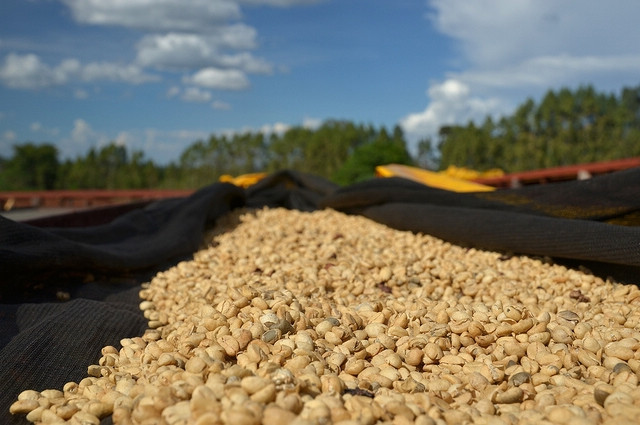
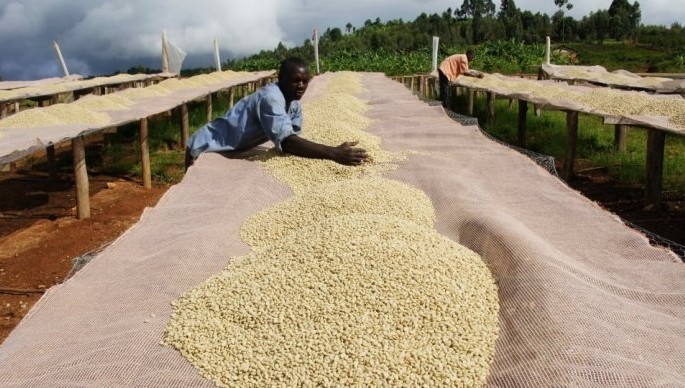
Sumatran coffee, including Mandheling, is almost always processed using a local method called wet hulling, or giling basah. Because frequent rain overlaps with harvest season, traditional sun drying isn’t always feasible. Instead:
- Coffee cherries are depulped and briefly fermented.
- The beans, still coated in mucilage, are washed and partially dried to around 30–50% moisture.
- At this semi-dry stage, the parchment layer is removed by machine—much earlier than in other methods.
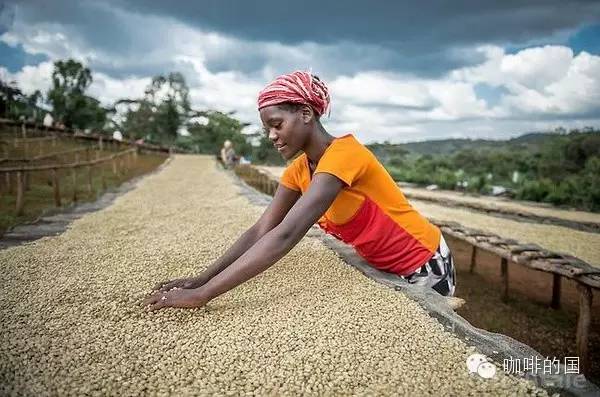
- The exposed green beans continue drying on patios or raised beds to 11–13% moisture.
This process contributes to Mandheling’s signature heavy body, low acidity, and earthy or herbal undertones. It also explains the occasional “mustiness” or woody note some tasters detect.
Where Mandheling Coffee Comes From
Mandheling is grown in several key regions of Sumatra:
- Lintong (near Lake Toba): The classic Mandheling region, known for its diverse microclimate and traditional processing. This area produces the archetypal Mandheling profile—bold, spicy, and full-bodied.
- Sidikalang: Another high-elevation zone producing top-grade beans, often ranked G1 and subject to triple hand sorting.
- Takengon (Aceh, near Lake Tawar): A newer but rising area recognized for brighter acidity and more floral or fruity notes compared to the deeper profiles of Lintong.
Elevations here range from 1,100 to 1,600 meters, ideal for slow cherry maturation and complex flavor development.
Why Mandheling Is Usually Dark Roasted
With its low acidity, heavy body, and earthy characteristics, Mandheling responds exceptionally well to darker roasts. Many roasters take it into the second crack to accentuate its spice, wood, and dark chocolate tones. However, when roasted lighter, it can reveal surprising nuance—including subtle fruit, herbal, and floral qualities.
Dark roasting emphasizes the coffee’s inherent strength and masks any inconsistencies, making it a reliable choice for espresso blends and French-style roasts. That said, skilled roasters can highlight its unique traits with a medium or medium-dark approach.
The Role of PWN Golden Mandheling
Among Mandheling coffees, PWN Golden Mandheling stands out. Produced by Indonesia’s PWN company under extremely strict quality control, it’s classified as G1—the highest grade—with:
- Beans sized 18 mesh or larger
- Less than 3 defects per 300g
- Triple hand sorting to remove all imperfections
This results in a cleaner cup with enhanced sweetness and clarity while retaining Mandheling’s signature body. Although primarily exported to Japan and the U.S., small quantities occasionally reach other markets—including specialty roasters who highlight its refined profile.
Frequently Asked Questions
What does Mandheling coffee taste like?
Mandheling typically tastes bold and full-bodied, with low acidity. Common flavor notes include spices, herbs, wood, caramel, and sometimes a faint sweetness. Roast level greatly influences the profile—darker roasts bring out more earthy, smoky, or chocolatey tones, while lighter roasts may show more fruit or floral nuances.
Where is Mandheling coffee grown?
Mandheling coffee is grown in the highland regions of Sumatra, Indonesia—mainly in Aceh (around Lake Tawar) and North Sumatra (around Lake Toba). Key producing areas include Lintong, Sidikalang, and Takengon, at elevations between 1,100 and 1,600 meters.
What processing method is used for Mandheling?
Mandheling is processed using the wet hulling method (giling basah). Cherries are depulped, briefly fermented, and then dried to a semi-wet state before the parchment is removed. The beans continue drying with the mucilage off, creating Mandheling’s signature heavy body and earthy profile.
Is Mandheling coffee usually dark roasted?
Yes, Mandheling is often dark roasted to emphasize its low acidity, bold body, and earthy, spicy flavors. However, it can also be roasted lighter to reveal more nuanced, fruity, or floral notes depending on the batch and roaster’s approach.
What is PWN Golden Mandheling?
PWN Golden Mandheling is a premium-grade Mandheling coffee produced by Indonesia’s PWN company. It’s classified as G1, with beans sorted to less than 3 defects per 300g and triple hand-selected. It offers a cleaner, sweeter cup while preserving Mandheling’s characteristic body and depth.
What makes Sumatran coffee different?
Sumatran coffee, including Mandheling, is distinct due to its processing method (wet hulling), high elevation growing conditions, and unique regional microclimates. These factors produce a coffee that’s typically full-bodied, low in acidity, and rich in earthy, spicy, or herbal flavors.
Recommended FrontStreet Beans for Mandheling Fans
For those exploring Mandheling-style coffee, FrontStreet’s Lintong Mandheling delivers the region’s signature bold, spicy, and slightly sweet profile through traditional wet hulling. It’s medium to dark roasted, offering a full body with notes of baking spices and wood. Also consider trying our Classic Sumatra options for a similar earthy intensity. Freshly roasted within 5 days · Orders placed before 17:00 ship the same day · Next-day delivery across most of Guangdong Province.
FrontStreet Coffee is a long-established specialty coffee roaster in Guangzhou China, selling freshly roasted beans from its own farm in Yunnan as well as dozens of carefully selected single-origin beans from around the world for both pour-over and espresso. The products deliver consistently excellent quality and great value, with shipping within 24 hours. Guangzhou's FrontStreet Coffee shop is recommended by many coffee lovers, and the beans are now available online at the Tmall 。
Important Notice :
前街咖啡 FrontStreet Coffee has moved to new addredd:
FrontStreet Coffee Address: 315,Donghua East Road,GuangZhou
Tel:020 38364473