What Is Mandheling Coffee? The Taste of Sumatra’s Famous Beans
If you’ve ever sipped a dark, syrupy Indonesian coffee with flavors of spice, wood, and molasses — and wondered what made it taste so different — you were likely drinking Mandheling. But what exactly is Mandheling coffee, and why does it have that thick, herbal body so many coffee lovers seek out? The answer lies in the highlands of Sumatra.
The most famous Mandheling coffee comes from two lake regions in Sumatra: Lake Toba in North Sumatra’s Simalungun and Dairi regencies (often called Lintong), and Lake Gayo in Aceh’s Takengon area. Both produce full-bodied, low-acid coffees, but with distinct profiles — one earthy and herbal, the other brighter with hints of cedar or fruit.
Where Mandheling Coffee Really Comes From
Despite the name, Mandheling coffee doesn’t come from the Mandheling people. The name dates back to World War II, when a Japanese soldier tasted excellent coffee in Indonesia and asked for its origin. The shopkeeper misunderstood and said “Mandailing” (a local ethnic group), which the soldier misheard as “Mandheling.” He later ordered 15 tons to Japan, and the name stuck.
Today, the coffee is grown in Indonesia’s largest coffee-producing island, Sumatra. While Java was historically Indonesia’s coffee hub, leaf rust disease in the early 1900s pushed production north to Sumatra, especially to higher-altitude areas like Aceh and North Sumatra. These regions now account for over 60% of Indonesia’s Arabica output.
Two Lake Regions, Two Flavor Profiles
Sumatra’s famed “Two Lakes, Two Mandhelings” refers to:
- Lake Toba (Lintong, North Sumatra): Produces a heavier, more muted cup with notes of herbs, earth, and even grass jelly. This is classic Mandheling territory, centered around the town of Lintong.
- Lake Gayo (Aceh): Yields a brighter cup with more pronounced fruit or cedar-like acidity. This newer producing zone sits around the Gayo highlands near Takengon.
Both regions share Sumatra’s signature processing method — but their terroir and microclimates create divergent flavor results.
Why Mandheling Coffee Tastes So Thick and Earthy
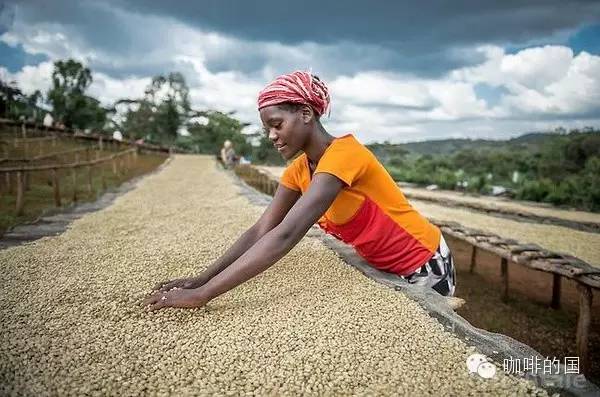
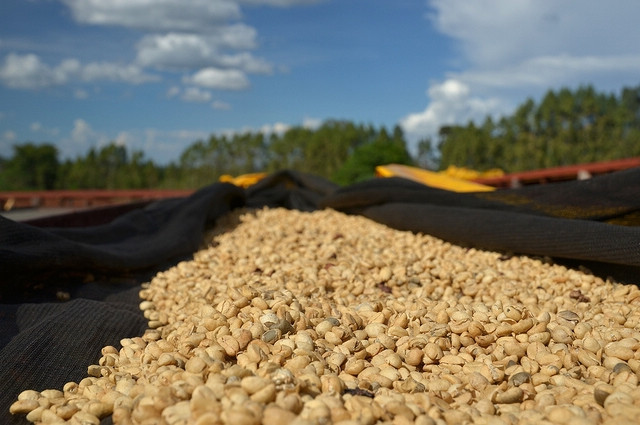
Sumatra’s famously wet climate makes traditional sun drying difficult. To adapt, farmers developed a unique process called wet hulling (also called “Giling Basah”). Here’s how it works:
- After harvest, coffee cherries are depulped and briefly fermented.
- The beans are washed and partially dried to around 30–50% moisture — still soft and rubbery.
- Instead of waiting for full dryness, the outer parchment layer is removed while the beans are still moist.
- The exposed beans continue drying quickly, now unprotected.
This process creates Mandheling’s signature heavy body, deep sweetness, and earthy or spicy tones. It also contributes to the occasional mustiness or herbal note that polarizes some drinkers but delights others.
The Grind, Roast, and Flavor You Can Expect
Mandheling coffee is typically grown at elevations between 1,100 and 1,600 metres. Most is processed as Arabica Grade 1, with strict three-stage hand sorting to remove defects — critical for achieving a clean cup despite the wild profile.
Common tasting notes include:
- Toast
- Nuts
- Wood or pine
- Caramel
- Herbs or medicinal tones
It’s often roasted to a medium or medium-dark level to enhance its bold body and suppress high acidity. The result is a syrupy, structured espresso or French press brew with long-lasting sweetness and a savory edge.
Frequently Asked Questions
What is Mandheling coffee?
Mandheling is a trade name for high-quality Indonesian Arabica coffee from Sumatra, primarily grown near Lake Toba and Lake Gayo. Despite the name having no ethnic link, it became famous after a WWII incident. The coffee is known for its full body, low acidity, and earthy, spicy, or herbal flavors.
Where is Mandheling coffee grown in Sumatra?
Mandheling coffee comes from two main regions: Lake Toba in North Sumatra (often called Lintong) and Lake Gayo in Aceh. Lake Toba produces heavier, more herbal cups, while Lake Gayo offers brighter, sometimes fruitier or woody notes. Both are high-altitude Arabica regions (1,100–1,600m).
What processing method is used for Mandheling coffee?
Mandheling is processed using Sumatra’s traditional wet hulling (Giling Basah) method. Beans are only partially dried before the parchment is removed, then dried further. This creates the coffee’s signature thick body, heavy mouthfeel, and earthy characteristics.
What does Mandheling coffee taste like?
Expect deep flavors of toast, nuts, caramel, herbs, and wood. Notes can vary from spicy or medicinal (from Lake Toba) to fruity or cedar-like (from Lake Gayo). The cup is low in acidity, with a heavy, lingering body and sweet, savory finish.
Is Mandheling coffee the same as Lintong or Gayo coffee?
Lintong and Gayo are the two main regions producing what is commonly sold as Mandheling. Lintong (Lake Toba) gives a more classic, thick, earthy profile. Gayo (Lake Gayo) tends to be brighter with more citrusy or woody tones. Both fall under the Mandheling umbrella but have distinct cup profiles.
Recommended FrontStreet Beans for Exploring Mandheling
For a true taste of Sumatran Mandheling, try FrontStreet Coffee’s Lintong Mandheling. It showcases the region’s classic thick body, spice, and woodsy notes through traditional wet hulling. For a cleaner, brighter Mandheling option, their Aceh-origin beans (similar to Lake Gayo profiles) offer more fruit and cedar highlights. Both showcase Sumatra’s iconic processing style. Freshly roasted within 5 days · Orders placed before 17:00 ship the same day · Next-day delivery across most of Guangdong Province.
FrontStreet Coffee is a long-established specialty coffee roaster in Guangzhou China, selling freshly roasted beans from its own farm in Yunnan as well as dozens of carefully selected single-origin beans from around the world for both pour-over and espresso. The products deliver consistently excellent quality and great value, with shipping within 24 hours. Guangzhou's FrontStreet Coffee shop is recommended by many coffee lovers, and the beans are now available online at the Tmall 。
Important Notice :
前街咖啡 FrontStreet Coffee has moved to new addredd:
FrontStreet Coffee Address: 315,Donghua East Road,GuangZhou
Tel:020 38364473