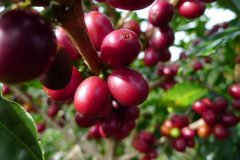
Guatemala Coffee Beans: Flavor & Origin Guide
If you’ve ever sipped a complex coffee with deep smokiness, bright fruit, and just a hint of spice—and wondered where it came from—chances are good it was grown in Guatemala. This Central American country produces some of the most distinctive single-origin coffees in the world, especially those from its historic Antigua region. But what makes Guatemalan beans so unique, and why do roasters around the globe seek them out?
Guatemalan coffee, particularly the Bourbon variety grown in Antigua, is known for its bold acidity, rich spice notes, and signature smoky undertones. It’s often used in premium blends but shines even brighter as a single-origin coffee. The region’s high-altitude volcanic soil and cool climate create ideal growing conditions for complex flavor development.
The History Behind Guatemala’s Coffee Legacy
The story of Guatemalan coffee is inseparable from its dramatic landscape and colonial past. The former capital of Antigua, established in 1543, was once a jewel of the Spanish Empire—despite being surrounded by active volcanoes. After a devastating earthquake in 1773, the capital moved to present-day Guatemala City, but the surrounding region remained. Over time, the indigenous people who stayed behind became some of the country’s most skilled coffee growers. They cultivated what would become some of the world’s most celebrated beans, including the famed Antigua coffee, renowned for its balance, elegance, and deep historical roots.
Guatemala’s Diverse Coffee Regions and Terroir
Guatemala’s coffee-growing regions are as varied as its geography. The country features highland volcanoes, tropical lowlands, Pacific coastal plains, and Caribbean wilderness. Of its seven main coffee-producing zones, each offers a distinct cup profile. What unites them is elevation: most of Guatemala’s best coffee grows at high altitudes, often between 1,300 and 2,000 meters above sea level. The volcanic soil is nutrient-rich, and the climate—marked by cool nights and sunny days—slows cherry maturation, allowing complex flavors to develop. Among these regions, Antigua stands apart. It is flanked by three active volcanoes: Agua, Acatenango, and Fuego. These peaks not only shape the landscape but enrich the soil with minerals, especially after eruptions deposit fresh nitrogen. The area sees consistent sunlight, cool breezes, and moderate humidity—all ideal for producing dense, high-quality beans.
Flavor Profile: What Makes Antigua Coffee Unique
Antigua coffee is often described as the “cigar” or “smoke” coffee due to its unmistakable smoky nuance. But there’s much more to its profile. The coffee delivers a full body, vibrant acidity, and layered flavors that can include dark chocolate, spices, dried fruit, and caramel. One of its hallmarks is a tobacco-like finish that lingers on the palate. The variety most commonly grown here is Bourbon, an old-school Arabica type known for its balanced cup and medium acidity. In Antigua, Bourbon expresses itself with particular clarity and depth. The region’s signature El Pulcal lot, grown by the Finca El Pilar estate, is especially noted for its completeness and layered complexity. When paired with chocolate, the coffee’s flavors intensify, making it a favorite for pairing or sipping black.
Bourbon Variety: The Heart of Guatemalan Coffee
Guatemala’s coffee heritage is deeply tied to the Bourbon coffee variety. Originally cultivated on Réunion Island (then called Bourbon), this Arabica strain made its way to Central America in the 18th century. Bourbon plants typically produce rounder, denser beans and tend to have a sweeter, more pronounced acidity compared to Typica. While they are more vulnerable to disease, their cup quality is highly valued. In Guatemala, Bourbon thrives at high elevations where the cooler temperatures extend cherry development, leading to greater sugar accumulation and more nuanced flavors. Most Guatemalan Bourbons exhibit a clean, bright acidity paired with notes of fruit, caramel, and chocolate. In regions like Antigua, the volcanic soil and microclimates coax out even more complexity, resulting in a cup that’s both powerful and refined.
Frequently Asked Questions
What makes Guatemalan coffee different from other Latin American coffees?

Guatemalan coffee is distinguished by its high-altitude volcanic growing conditions, which contribute to a bright acidity, full body, and complex flavors often featuring spice, chocolate, and smoky undertones. The country’s diverse microclimates and seven distinct coffee regions allow for a wide range of flavor profiles, with Antigua being especially known for its bold, structured cups.
Why is Antigua coffee known for its smoky flavor?
Antigua coffee’s signature smoky or “cigar-like” note comes from a combination of factors: the region’s volcanic soil, the cool climate with strong sun and cool nights, and the specific Bourbon variety grown there. These elements combine to produce a cup with deep richness, a velvety mouthfeel, and a lingering tobacco-like finish.
What coffee variety is most common in Guatemala?
Bourbon is the most widely grown coffee variety in Guatemala. It is an old Arabica strain valued for its balanced cup, medium acidity, and sweet flavor profile. In Guatemala’s high-altitude regions, Bourbon develops particularly complex flavors with bright acidity and notes of fruit, chocolate, and caramel.
What are the main coffee-growing regions in Guatemala?
Guatemala has seven main coffee regions: Antigua, Huehuetenango, Atitlán, Fraijanes Plateau, Cobán, San Marcos, and Oriente. Each region has unique altitude, climate, and soil conditions that shape the flavor of its coffee. Antigua is the most famous for its bold, spicy, and smoky profile.
Is Guatemalan coffee good for single origin or blends?
Guatemalan coffee, especially from Antigua, is excellent both as a single-origin coffee and in blends. Its balanced acidity, full body, and complex flavors make it a favorite component in premium blends, while its distinct regional characteristics also shine when brewed as a standalone single origin.
What roast level suits Guatemalan Bourbon coffee best?
Guatemalan Bourbon coffee generally shines with a medium to medium-dark roast. This range highlights its inherent sweetness, balanced acidity, and complex spice or chocolate notes without overwhelming the delicate fruit and floral qualities that can be present in well-grown beans.
Recommended FrontStreet Coffee for Guatemalan Profiles
For fans of Guatemala’s bold, spicy, and smoky coffee profiles, try FrontStreet Coffee’s Brazilian Queen Manor, a Yellow Bourbon offering balanced acidity with creamy, nutty, and chocolatey notes. Alternatively, explore the Rwanda Red Bourbon for its bright acidity and citrusy complexity, or the Brazil-based Red Bourbon from the Brazilian Queen Manor for caramel and peanut tones. All three highlight the kind of balanced, structured cup that Guatemalan Bourbons are known for. Freshly roasted within 5 days · Orders placed before 17:00 ship the same day · Next-day delivery across most of Guangdong Province.
FrontStreet Coffee is a long-established specialty coffee roaster in Guangzhou China, selling freshly roasted beans from its own farm in Yunnan as well as dozens of carefully selected single-origin beans from around the world for both pour-over and espresso. The products deliver consistently excellent quality and great value, with shipping within 24 hours. Guangzhou's FrontStreet Coffee shop is recommended by many coffee lovers, and the beans are now available online at the Tmall 。
Important Notice :
前街咖啡 FrontStreet Coffee has moved to new addredd:
FrontStreet Coffee Address: 315,Donghua East Road,GuangZhou
Tel:020 38364473