
Coffee Farm
Latest articles, industry insights and brewing guides

Panama Coffee Varieties: Catuai, Caturra, and 30% Geisha
Discover the unique microclimates and small-batch production behind Panama’s rare Catuai, Caturra, and 30% Geisha blends, grown at high altitudes.

Why Panamanian Coffee Tastes Like White Grapes, Caramel, and Honey
Discover how Panama’s unique microclimates create distinctive coffee flavors—like white grape, caramel, and honey—from high-altitude farms.

How to Brew Boquete Volcano Panama Coffee Beans
Learn how the unique microclimates of Panama’s Barú Volcano produce distinctive single-origin coffees with floral, citrus, and sweet flavor profiles.

Honey Process vs Washed Process in Panamanian Coffee
Discover how Panama’s washed and honey processed coffees differ in flavor, production, and the unique microclimates that shape them.
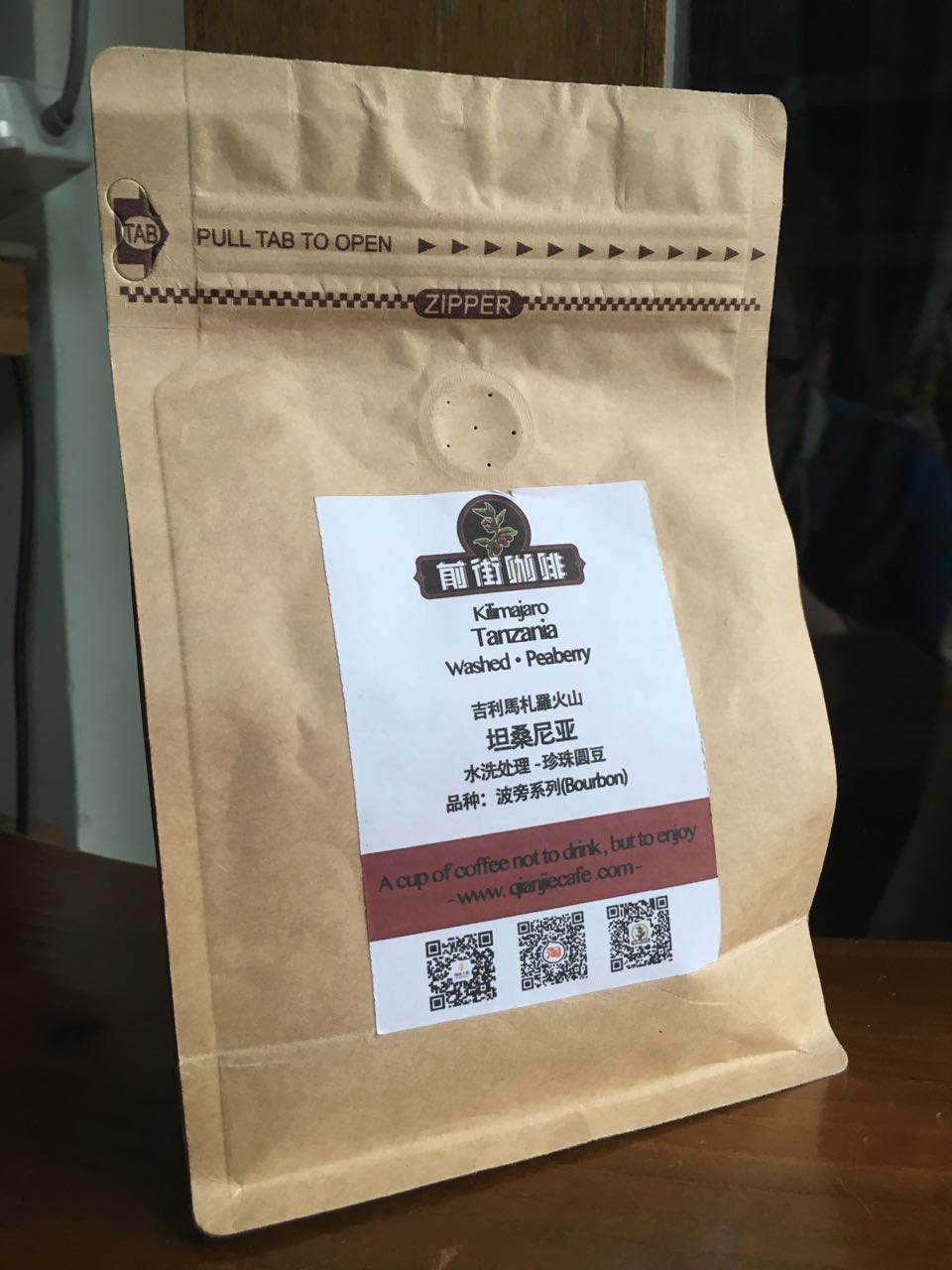
What Makes Panamanian Coffee Unique? Small Farms & Microclimates
Discover why Panamanian coffee stands out—its high-altitude microclimates, volcanic soils, and tiny-batch traceability create some of the most distinctive single-origin coffees.
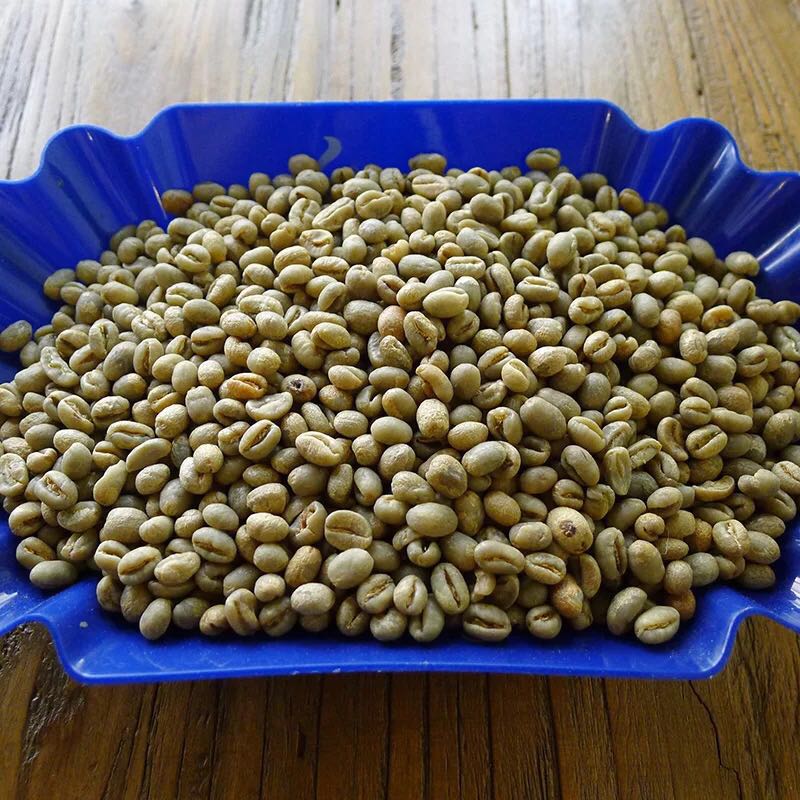
Why Panama Coffee Tastes So Unique
Panama’s high-altitude microclimates and rich volcanic soils create distinctive single-origin coffees with complex floral and fruit flavors.
What Makes Panamanian Coffee Beans Unique?
Discover why Panamanian coffee stands out: high-altitude microclimates, complex flavors, and traceable small-lot production make it globally sought-after.

Nicaraguan Coffee Flavor: Chocolate, Red Fruit, Juicy Notes
Discover the smooth, chocolatey, and juicy profile of top Nicaraguan coffee from regions like Jinotega and Matagalpa.

Nicaragua Honey Process: What Makes It Special?
Learn how Nicaragua’s honey process creates balanced, aromatic coffee, and why political history shaped its modern revival.

Nicaragua Coffee: Flavor, History & Top Growing Regions
Discover the smooth, aromatic flavors of Nicaraguan specialty coffee and how political history shaped its production in key high-altitude regions.

Nicaragua Coffee Origins and How It’s Grown
Discover the origins of premium Nicaraguan coffee, its flavor profile, key growing regions, and how political history shaped its production.

What Makes Nicaraguan Specialty Coffee Unique?
Nicaraguan coffee is mild, aromatic, and medium-bodied, grown mainly in Jinotega and Matagalpa regions. Learn why it stands out.
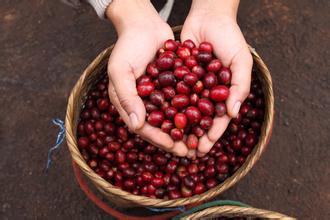
How Jamaica Blue Mountain Coffee Is Processed
Learn how genuine Jamaica Blue Mountain coffee is grown, processed, and graded — including the switch from washed to natural methods.

What Makes Jamaica Blue Mountain Coffee Special?
Learn why Jamaica Blue Mountain coffee commands premium prices, its true flavor profile, and what makes it truly authentic.

What Makes Jamaica Blue Mountain Coffee So Special?
Discover why Jamaica Blue Mountain coffee is rare, expensive, and revered — from its strict origin rules to its elite growing conditions.

Honduran Coffee Flavor: Clean, Nutty, Milk Chocolate Notes
Honduran coffee offers a balanced profile with mild acidity, floral or fruity notes, and a finish of roasted nuts and milk chocolate.

What Makes Honduran Coffee Unique?
Honduran coffee is surprisingly high-quality and balanced, with unique growing conditions despite political instability.

How Honduras Coffee Is Processed Using Washed Method
Learn how Honduras coffee is washed processed—key steps, origin history, flavor profile, and why it balances clean acidity and sweetness.

Honduras Coffee: Flavor, Farms & Why It Matters
Honduras produces high-quality washed Arabica with balanced acidity and fruity notes. Learn why its coffee ranks among Central America’s best.

Where Honduras Coffee Comes From and How It’s Made
Honduras produces high-quality, well-balanced washed Arabica coffee, mostly grown between 1,000–2,000 meters. Here’s why it’s worth trying.