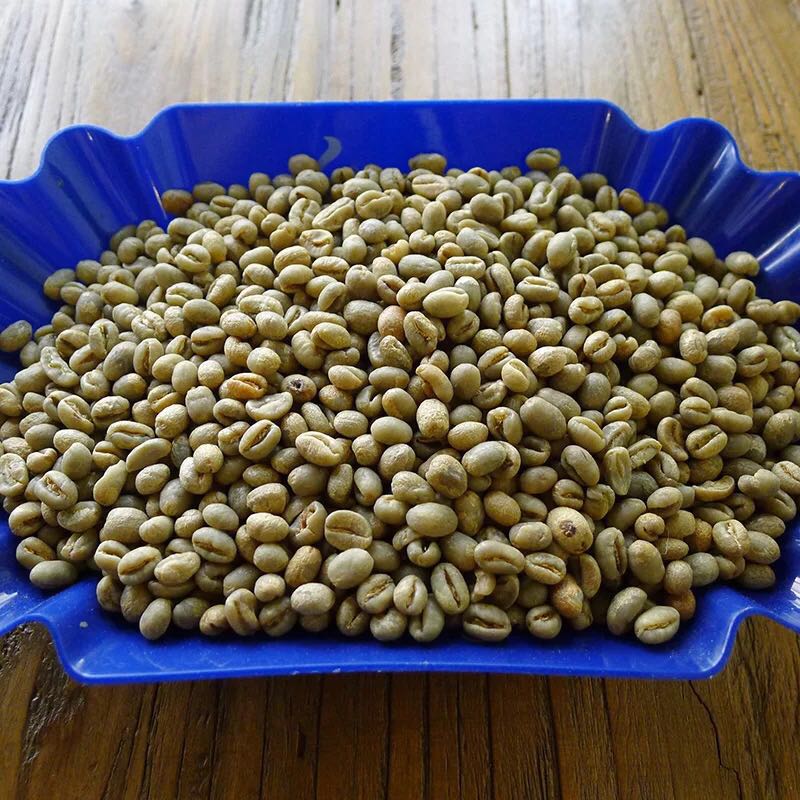
What Makes Panamanian Coffee Beans Unique?
If you’ve ever wondered what makes some Panamanian coffee taste like floral tea more than traditional coffee, you’re not alone. The unique profiles of Panama’s best coffees have captivated specialty roasters and drinkers worldwide. But where does that distinctiveness come from? The answer lies not just in the beans, but in the land, altitude, and careful processing behind them.
Panamanian specialty coffee is unique due to its high-altitude microclimates above 6,500 feet, volcanic soils, and small-batch traceability — elements that combine to produce complex, often floral and fruity profiles. The regions of Boquete and Volcán Candela lead production, with Geisha being the most celebrated variety.
The Birthplace: Panama’s Coffee Geography
Panama is a small Central American country nestled between the Atlantic and Pacific Oceans. Its position at 9° north latitude places it in the path of diverse weather systems. More importantly, it sits at the convergence of the Central American cordillera, home to one of the region’s tallest peaks: Barú Volcano, which rises over 11,400 feet.
This elevation and volcanic soil create ideal conditions for coffee cultivation. The volcanic earth around Barú is rich in nutrients, supporting the development of complex fruit and floral characteristics in the coffee cherries. The interplay of ocean breezes, mountain shade, and cool temperatures slows maturation, allowing beans to develop more sugars and acids.
Why Panama Coffee Tastes Different
The defining trait of Panamanian coffee is its extraordinary diversity of flavor profiles. Thanks to the high-altitude microclimates found predominantly above 6,500 feet, Panamanian beans often express notes of jasmine, citrus, ripe fruit, berries, caramel, vanilla, and chocolate. These attributes emerge from a combination of factors:
- Altitude: Cooler temperatures increase sugar development and acidity retention.
- Microclimates: Unique airflows from the east funnel cool air into Boquete and Volcán Candela, creating varied growing conditions even within small areas.
- Volcanic soil: Nutrient-rich and well-draining, ideal for cultivating aromatic precursors in the coffee cherry.
These elements work together to produce a cup that can shift from bright and juicy to deep and dessert-like, depending on the farm, processing method, and variety.
The Rise of Panamanian Geisha
While Panama has produced coffee for decades, it remained relatively unknown globally until the early 2000s. The turning point came with the rise of third-wave coffee and lighter roasting styles, which highlighted the delicate floral and fruit notes in high-quality beans. The variety that changed everything was Geisha.
Originally from the Gesha forest in southwestern Ethiopia, the Geisha variety was brought to Panama, where it found an ideal home in the high altitudes of Boquete. Over time, Panamanian producers — particularly at estates like Hacienda La Esmeralda — refined cultivation and processing to bring out its signature traits: intense jasmine, citrus blossom, stone fruit, and honey-like sweetness. Geisha’s success brought global attention and numerous Cup of Excellence awards to Panama.
Geisha isn’t the only variety grown in Panama, but it’s become synonymous with the country’s coffee excellence. Grown at elevation and picked with care, Panama Geisha displays a tea-like delicacy rarely found in other origins.
How Panama Classifies Its Coffee
Panamanian coffee is distinctive not only for its flavor but also for its traceability. Farms often separate harvests into small lots, each numbered and catalogued. This small-lot system allows buyers to track the coffee from specific farms, plots, and even processing methods. Such granularity ensures quality consistency and enables roasters to offer transparent origin stories.
Most Panamanian specialty coffee is exported in small volumes to niche markets. Countries including Denmark, the UK, Japan, South Korea, Norway, Sweden, the United States, Greece, and Taiwan regularly import these carefully curated beans, drawn by their consistency and unique sensory profiles.
Frequently Asked Questions
What makes Panamanian coffee different from other countries’ coffee?
Panamanian coffee is distinct due to its high-altitude microclimates above 6,500 feet, volcanic soils, and meticulous small-lot processing. These factors create complex flavor profiles often featuring jasmine, citrus, tropical fruits, berries, caramel, vanilla, and chocolate — especially in varieties like Geisha.
Where in Panama is the best coffee grown?
The best Panamanian coffee comes from the high-altitude regions of Boquete and Volcán Candela. These areas benefit from cool temperatures, rich volcanic soils, and unique microclimates formed by airflow patterns from the east.
What is special about Panamanian Geisha coffee?
Panamanian Geisha coffee is known for its exceptional floral and fruity characteristics — such as jasmine, citrus, stone fruit, and honey — resulting from ideal growing conditions in elevations above 6,500 feet. It gained fame through competitions and is now one of the most sought-after coffee varieties in the world.
How is Panamanian coffee processed and tracked?
Panamanian coffee is often separated into small, traceable lots that are numbered and catalogued by farm and plot. This allows detailed tracking of growing conditions, processing methods, and flavor profiles, ensuring quality and transparency for buyers and roasters.
Why did Panamanian coffee become famous in recent years?
Panamanian coffee rose to global prominence in the 2000s due to the popularity of lighter roasted specialty coffee and the success of the Geisha variety, especially at Hacienda La Esmeralda, which won numerous Cup of Excellence awards and showcased the potential of Panamanian beans on the world stage.
Recommended FrontStreet Coffee Beans from Panama
For a true taste of Panama’s signature profiles, try the FrontStreet Panama Boquete Geisha. It offers vibrant notes of stone fruit, jasmine, and honey, showcasing the region’s famed floral complexity. For something equally refined but slightly more accessible, the FrontStreet Panama Hacienda La Esmeralda Green Label Geisha delivers citrus, melon, and soft florals with a clean finish. Both beans highlight the high-altitude terroir and careful processing that define Panama’s best. Freshly roasted within 5 days · Orders placed before 17:00 ship the same day · Next-day delivery across most of Guangdong Province.
FrontStreet Coffee is a long-established specialty coffee roaster in Guangzhou China, selling freshly roasted beans from its own farm in Yunnan as well as dozens of carefully selected single-origin beans from around the world for both pour-over and espresso. The products deliver consistently excellent quality and great value, with shipping within 24 hours. Guangzhou's FrontStreet Coffee shop is recommended by many coffee lovers, and the beans are now available online at the Tmall 。
Important Notice :
前街咖啡 FrontStreet Coffee has moved to new addredd:
FrontStreet Coffee Address: 315,Donghua East Road,GuangZhou
Tel:020 38364473