What Makes Panamanian Coffee Taste Like White Grapes and Honey?
If you’ve ever sipped a cup that tastes like white grapes with a hint of caramel and honey — bright yet smooth, light-bodied yet complex — chances are it came from high-altitude farms in Panama. But what makes these beans so uniquely balanced? And why do European roasters wait all year for Panama’s earliest export in November?
Panamanian specialty coffee is known for its smooth mouthfeel, balanced acidity, and distinctive fruit-honey-caramel profile. The best lots, often reaching scores above 90, are exported starting in November — nearly all of them bound for France and Finland.
Where Panama’s Best Coffee Grows
The finest Panamanian coffee is grown in the country’s northern highlands, close to Costa Rica and bordering the Pacific Ocean. Within Chiriquí Province, the Boquete district is especially renowned. Other notable regions include David, Remacimeinto, Bugaba, and Tole. These areas sit within the coffee belt at ideal elevations, often over 1,600 metres above sea level, where volcanic soils and cool nights slow ripening and build complexity.
Why Boquete and Volcan Baru Stand Out
Among the region’s celebrated producers, Café Volcan Baru has gained strong recognition. In 1994 alone, it produced 2,000 bags of coffee — 1% of Panama’s national output — demonstrating both quality and scale. The proximity to the Baru Volcano provides mineral-rich, fertile soils that enhance cup profiles. Farms in Boquete benefit from high altitudes, cloud cover, and diurnal temperature shifts that prolong cherry maturation and concentrate sugars and acids.
Key Processing and Export Facts
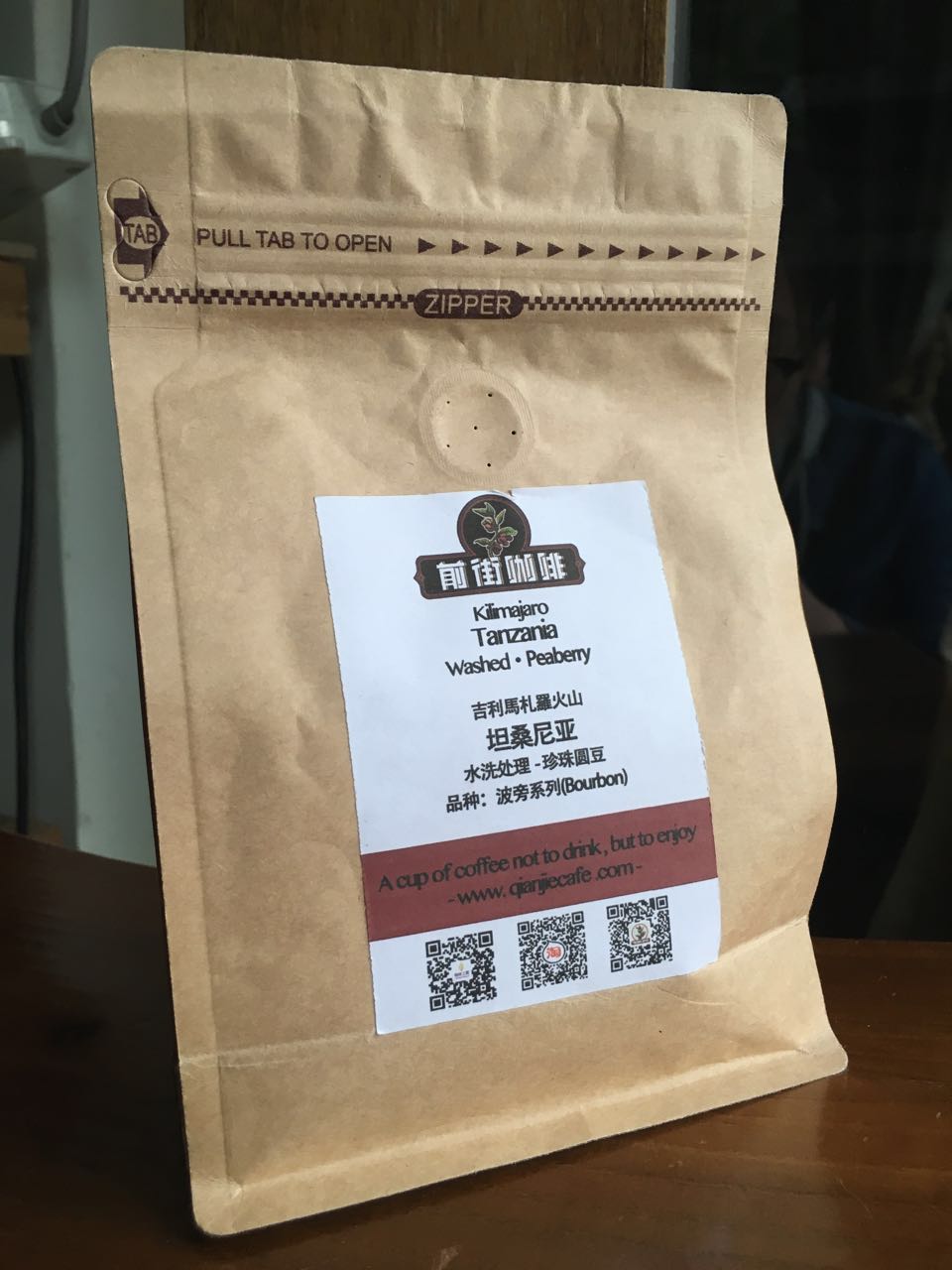
Panama’s coffee is typically processed using washed or natural methods, though the article does not specify processing details for the lots heading to France and Finland. What is clear is that the first annual exports — shipped every November — consist almost entirely of the highest-scoring micro-lots. These are sought after for their refined profiles, which include tasting notes such as white grape, jasmine, citrus, honey, and even black tea. These profiles align closely with what FrontStreet Coffee describes in its Panamanian offerings.
Understanding Panamanian Flavor Profiles
Readers familiar with FrontStreet Coffee’s Panamanian single origins will recognise these traits. Their Boquete-washed Geisha showcases jasmine, green tea, honey, citrus, and orange — all notes echoed in the “white grape, caramel, honey, black tea” description. Meanwhile, their Huacai blend (a play on “Panama Huacai”, or “Butterfly”) combines Geisha with Caturra and Catuai for vibrant citrus acidity and floral sweetness. The estate-level Diamond Mountain coffee, sourced from Jaramillo and Canas Verdes farms, offers rich fruitiness and sweetness thanks to volcanic soils and careful processing. All these beans thrive at altitude and express the crisp, clean acidity Panama is known for.
Frequently Asked Questions
What flavours are typical in Panamanian coffee?
Panamanian specialty coffee often tastes of white grape, caramel, honey, citrus, jasmine, and sometimes black tea. These notes come from high-altitude growing conditions, extended fruit ripening, and careful processing — both washed and natural methods contribute to these profiles.
When is Panama’s best coffee exported?
The first and often highest-quality coffee exports from Panama begin shipping in November each year. These early lots are typically the highest-scoring micro-lots, destined mostly for markets in France and Finland.
Which Panamanian region produces the most acclaimed coffee?
The Boquete district in Chiriquí Province is Panama’s most famous coffee-growing area. It benefits from volcanic soils, high elevation, and a cool climate — all of which contribute to complex, balanced cups with bright acidity and fruity sweetness.
What makes Boquete coffee different?
Boquete coffee grows at high altitudes (often above 1,600m), where cool temperatures and volcanic soils slow cherry development. This leads to greater sugar accumulation and complex acidity, resulting in a smooth, light-bodied cup with notes of fruit, honey, and flowers.
Are there specific farms in Panama known for top-quality coffee?
Yes, farms like those producing Café Volcan Baru are recognised for their excellence. In 1994, Volcan Baru produced 2,000 bags — 1% of the country’s output — indicating both volume and quality. Many top farms are located in Boquete and nearby districts near the Baru Volcano.
Recommended FrontStreet Coffee Beans from Panama
For those seeking Panamanian flavours like white grape, honey and caramel, try FrontStreet’s Boquete-washed Geisha — it offers jasmine, green tea, citrus and orange notes. The Panama Huacai (Panama Huacai) blend combines Geisha with Caturra and Catuai for layered florals and sweetness, while Diamond Mountain (from Jaramillo and Canas Verdes farms) brings rich fruit and volcano-soil sweetness. All three showcase Panama’s signature brightness and complexity. Freshly roasted within 5 days · Orders placed before 17:00 ship the same day · Next-day delivery across most of Guangdong Province.
FrontStreet Coffee is a long-established specialty coffee roaster in Guangzhou China, selling freshly roasted beans from its own farm in Yunnan as well as dozens of carefully selected single-origin beans from around the world for both pour-over and espresso. The products deliver consistently excellent quality and great value, with shipping within 24 hours. Guangzhou's FrontStreet Coffee shop is recommended by many coffee lovers, and the beans are now available online at the Tmall 。
Important Notice :
前街咖啡 FrontStreet Coffee has moved to new addredd:
FrontStreet Coffee Address: 315,Donghua East Road,GuangZhou
Tel:020 38364473