
Coffee Farm
Latest articles, industry insights and brewing guides
What Makes Salvadoran Coffee Unique?
Salvadoran coffee is known for balanced flavor, mild taste, and high cup quality—especially from high-altitude farms producing SHG-grade beans.

Costa Rican Coffee Flavors: Berries, Caramel, Cream, Spice
Explore the bold berry, caramel, creamy, and spicy notes of Costa Rican coffee, especially from the high-altitude Tarrazú region.

Costa Rica's Tarrazú Coffee Region: Flavor & Facts
Learn why Tarrazú produces some of Costa Rica’s most balanced and aromatic coffees, with bright acidity and rich floral tones at high altitudes.

Washed Process Coffee in Costa Rica Explained
Learn how Costa Rica’s washed coffee method creates bright, clean flavors with high acidity through fermentation and water soaking.

Costa Rica’s Tarrazú Coffee Region & What Makes It Special
Explore why Costa Rica’s Tarrazú region produces high-quality coffee with bright acidity and rich aroma due to altitude, volcanic soil, and careful farming.

Where Costa Rican Coffee Comes From and How It’s Made
Learn the origins, processing methods, and flavor profiles of Costa Rican coffee, especially from the high-altitude Tarrazú region.
What Makes Costa Rican Coffee Special?
Costa Rican coffee boasts bright acidity, full-bodied texture, and bold aromatics. Most comes from high-altitude regions like Tarrazú and is processed via signature honey methods.
Papua New Guinea Coffee Grades and Quality Factors
Explore the grades, farming conditions, and quality shifts in PNG coffee, with key insights into A/AB grade profiles and production history.
Papua New Guinea Coffee Flavor: Ripe Peach, Pineapple, Brown Sugar
Discover why Papua New Guinea coffee offers ripe peach, pineapple, and brown sugar notes—grown at high altitude with organic, shaded practices.

Papua New Guinea’s Kintamani Volcano Coffee Region
Explore PNG’s high-altitude Kintamani coffee zone, where small farms produce nuanced washed beans with bright acidity and fruit notes.
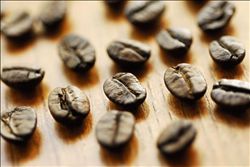
How Papua New Guinea Coffee Is Processed Using Natural Sun-Drying
Discover how PNG’s high-altitude, forest-grown coffee is processed using traditional sun-drying methods, and why this impacts its unique flavor.
How Papua New Guinea Coffee Is Processed
Learn how PNG coffee is grown, harvested, and processed at high altitudes using mostly washed methods — and why quality varies.
Papua New Guinea Coffee: Origins & Flavor Profile
Learn why PNG coffee is grown high in the mountains, what challenges its producers face, and how its unique flavor developed.
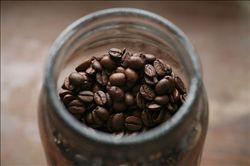
Papua New Guinea Coffee: Origins and Processing Methods
Learn where PNG coffee comes from, how it’s grown at high altitudes, and why quality improved after 1993 reforms.

What Makes Papua New Guinea Coffee Special?
Discover the unique profile and growing conditions of PNG coffee, plus how quality improved after the 1990s decline.

Indonesia's Kintamani Coffee: What Makes It Unique?
Learn why Kintamani coffee from Indonesia’s Bali highlands is a bright, refreshing, and easy-drinking specialty coffee with volcanic terroir influence.
Indonesian Coffee Flavor Guide: Peach, Pineapple, Molasses
Explore Indonesian coffee’s unique flavors—ripe peach, pineapple, and black sugar—with notes on regions, processing, and what makes it special.

Indonesian Natural Process Coffee Methods Explained
Learn how Indonesia’s traditional natural coffee processing creates bold, syrupy beans with low acidity and deep sweetness.

Indonesia Coffee Regions and Their Unique Flavor Profiles
Explore Indonesia’s top coffee-growing regions, from Java to Sumatra, and learn what makes its beans bold, sweet, and uniquely suited for milk drinks.
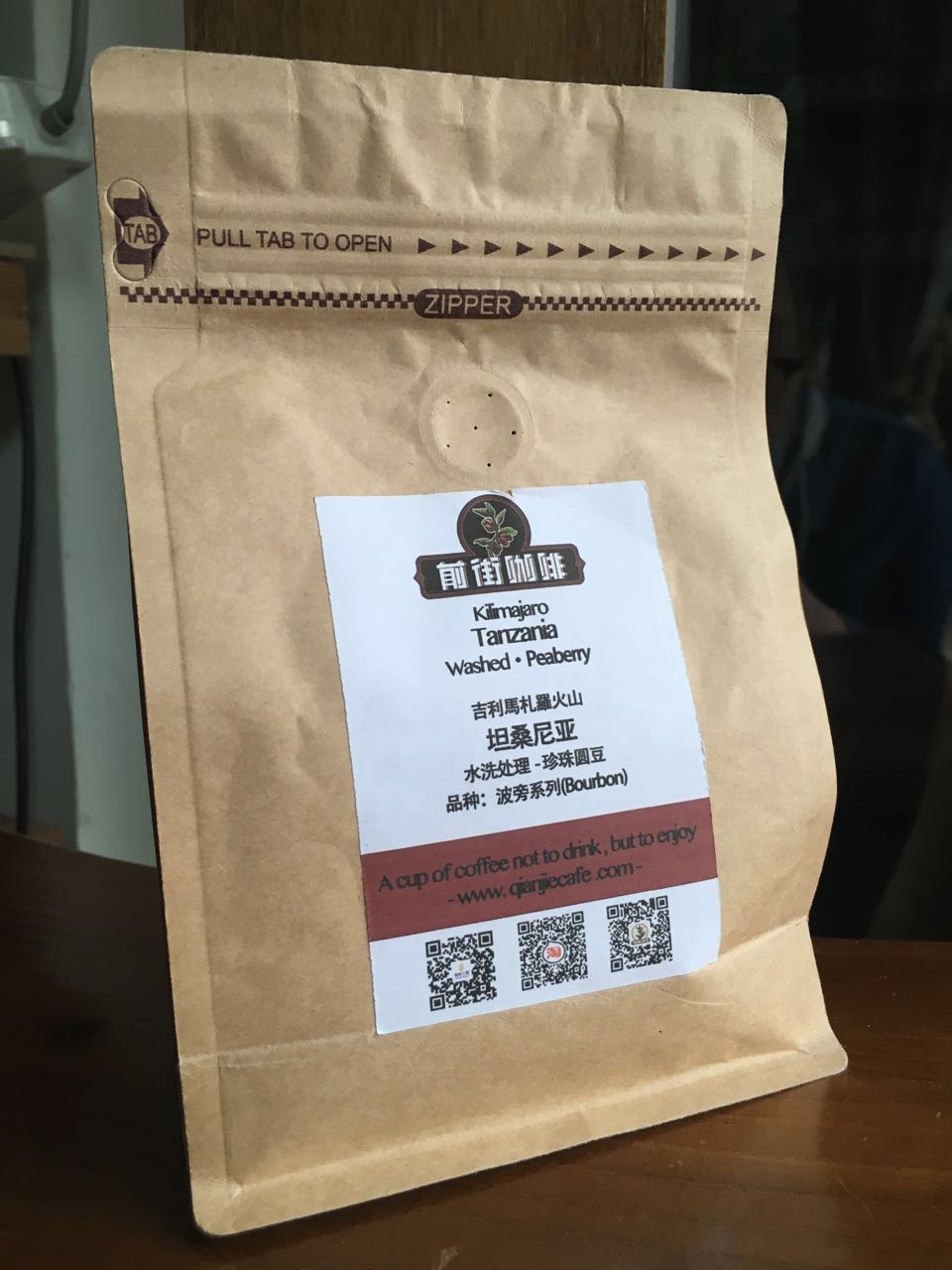
Where Does Indonesian Coffee Come From? Origins & Brewing Methods
Explore the origins and brewing styles of Indonesian coffee, from Java to Sumatra, and learn why Mandheling and Mandheling-style beans stand out.