
Coffee Farm
Latest articles, industry insights and brewing guides
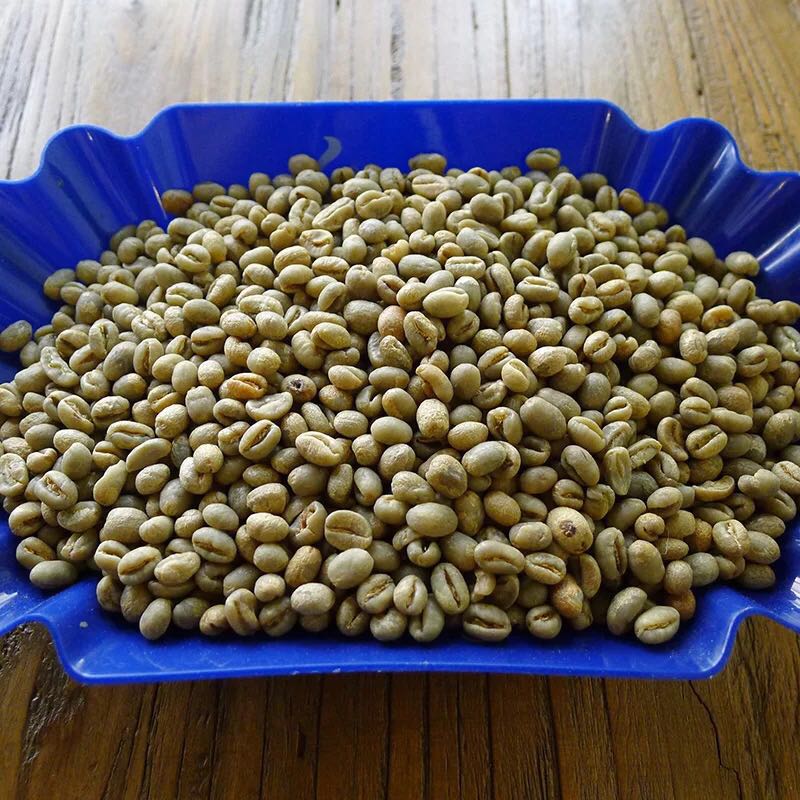
What Makes Indonesian Coffee Unique? A Guide to Its Flavors and Origins
Discover Indonesia’s diverse coffee regions, key beans like Mandheling and Kopi Luwak, and how processing shapes its bold, syrupy profiles.
Yemen Mocha Coffee: Flavor, Shape & Tradition
Explore Yemen Mocha coffee’s small, round beans, unique flavors like apple and floral, and why traditional drying affects quality.

How Yemeni Mocha Coffee Is Processed with Honey Method
Learn how Yemen’s small, spicy Mocha coffee beans are processed—especially via honey methods—and why their unique shape and flavor matter.

Yemen’s La Esperanza Estate and Mocha Coffee Beans
Discover the small, spicy Mocha beans from Yemen’s La Esperanza estate, their unique traits, and why they’re linked to chocolate flavors.

What Makes Colombian Cauca Coffee Unique?
Explore the distinctive characteristics of Colombian Cauca coffee, including its small round beans, high acidity, and unique spicy-chocolate notes.

How Yemeni Mocha Coffee Is Processed with Honey Method
Explore how Yemen’s small, spicy Mocha coffee beans are traditionally processed, including the role of honey processing and natural drying methods.

What Is Mocha Coffee? The Yemeni Origins of Mocha
Discover why Yemeni Mocha coffee has a unique shape, bold acidity, and chocolate-like notes — and how it shaped modern coffee culture.
What Makes Yemen Mocha Coffee Beans Unique?
Yemen’s small, round Mocha coffee beans have a high acidity, spicy notes, and subtle chocolate tones. Learn what defines them and why they inspired mocha blends.

How Tanzania Coffee Is Processed via Washed Method
Tanzania's washed-process coffee features bright acidity and floral sweetness. Learn how it’s processed and why it delivers such clean, nuanced flavors.

Tanzanian Coffee Flavors: Apricot, Dates, and Chocolate Notes
Explore Tanzanian coffee’s fruity, spicy, and malty-chocolate profile with bright acidity and a sweet finish, grown near Kilimanjaro.
Tanzania Coffee from Kilimanjaro’s Northern Highlands
Explore Tanzania’s high-quality coffee from the Kilimanjaro region, known for bright acidity, floral notes, and sweet complexity grown at 1300–2000m.
Tanzania Coffee: Flavor, Farms & Processing Methods
Explore Tanzania’s high-altitude coffee origins, key growing regions like Kilimanjaro, and how washed processing shapes its bright, fruity profile.

Tanzania Coffee Origins and Brewing Methods Explained
Learn where Tanzania coffee comes from, how it’s processed, and how to brew Chagga AA for sweet, citrusy notes.

Tanzanian Coffee Characteristics and Flavor Profile
Discover the bright, fruity Tanzanian coffee profile, especially the celebrated Chagga AA grown near Kilimanjaro, known for its clean, aromatic cup.

How Rwanda Washed Coffee Is Processed – High-Rack Sun Drying
Rwandan washed coffee uses high-altitude bourbon beans processed via washed method and sun-dried on raised beds. Learn the steps behind its clean, balanced cup.

Rwandan Coffee Flavors: Red Apple, Cherry, Cinnamon, and Honey
Rwandan coffee offers bright acidity, fruitiness, and floral notes. Discover its unique washed process, high-altitude terroir, and signature cup profile.

Rwanda’s Western Province Coffee: Ruli & Gitesi Wash Station
Explore Rwanda’s western Ruli region and the Gitesi Washing Station, known for high-scoring washed Bourbons like 2013 Cup of Excellence winner Karnogi.

Rwanda’s 1756-Member Smallholder Coffee Cooperative
Discover how Rwanda’s 1756-member smallholder cooperative produces bright, clean Bourbon coffees with high uniformity, thanks to meticulous washing and ideal high-altitude growing.

Rwanda Coffee Farms and the Bourbon Flavor Profile
Learn how Rwanda’s high-altitude farms and Bourbon variety produce sweet, clean coffees with consistent quality and international acclaim.

The Origins and Processing of Rwandan Specialty Coffee
Discover how Rwanda’s high-altitude Bourbon coffee developed unique sweetness and how the Karnogi lot won a Cup of Excellence award.