
Coffee Farm
Latest articles, industry insights and brewing guides
Costa Rica Tarrazú Coffee Region Guide
Explore Costa Rica’s Tarrazú region, famed for bright, high-altitude Arabica beans with crisp acidity and sweet floral notes.
What Makes Costa Rican Coffee from Tarrazú So Special?
Explore why Tarrazú produces some of the world’s finest washed coffees, with bright acidity, dense beans, and bold floral aromatics.
What Makes Costa Rican Coffee Special?
Learn why Costa Rican coffee has ideal acidity, bold aroma, and dense beans — plus where the best beans come from and how they’re processed.
Costa Rican Coffee Origin and Processing Methods
Discover the origins, elevation advantages, and unique honey processing of Costa Rican coffee, with key details on Tarrazú and processing techniques.

Honduras Coffee Beans: Origins, Processing & Brewing
Learn where Honduras coffee comes from, how it’s graded by altitude, and why it’s valued in blends. Includes flavor notes and brewing tips.

Honduran Washed Bourbon Coffee Beans Guide
Learn how Honduran washed Bourbon coffee is graded, grown, and processed, with flavor insights and key production facts.

Honduran Coffee Flavors: Clean, Nutty, Chocolatey
Honduran coffee offers clean, nutty, and milk chocolate flavors. Grown at high elevations, it’s graded by altitude and known for balanced acidity.

How Honduras Coffee Beans Are Washed Processed
Honduras uses altitude-based grading and the washed process to produce high-acidity, clean-flavored beans. Most beans come from elevations over 1,000m.

What Makes Honduran Coffee Beans Special?
Honduran coffee is high-acid, grown mostly at 1000–2000m altitude, and classified by elevation. Learn its profile and brewing approach.
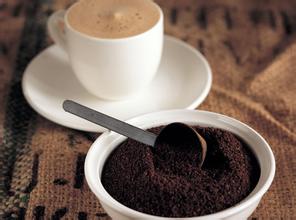
Fraijanes Guatemala: Hard Bean Coffee Profile
Discover why Fraijanes in Guatemala City produces dense, balanced hard beans with rich, full-bodied cup profiles.
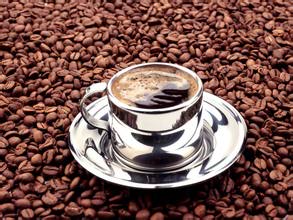
Guatemala La Ti Ti Estate: Specialty Hard Bean Coffee
Guatemala’s La Ti Ti estate produces dense, well-balanced hard beans known for full-bodied, richly flavored pour-over coffee.
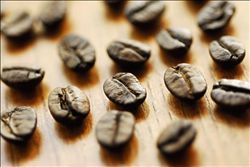
How Guatemala Coffee Is Processed Using Washed Method
Discover how Guatemala’s specialty coffee achieves its bright acidity and clean profile through the traditional washed processing method.

Washed Processing Method for Guatemalan Specialty Coffee
Discover how Guatemala’s washed coffee processing creates bright, clean beans with high acidity and balanced flavors using traditional water methods.
Guatemalan Specialty Coffee Beans: Origin & Brewing Guide
Discover the bold, balanced flavors of Guatemalan specialty coffee, from Antigua’s volcanic richness to high-altitude Bourbon beans.

What Makes Guatemalan Specialty Coffee Beans Unique?
Discover the bold, balanced flavors of Guatemalan specialty coffee, grown at high altitudes with volcanic soil and distinct regional profiles.

Salvadoran Coffee from Izalco in Sonsonate Province
Discover the bold, high-acid profile of Izalco coffee in El Salvador’s Sonsonate region, a lesser-known but flavorful Central American origin.
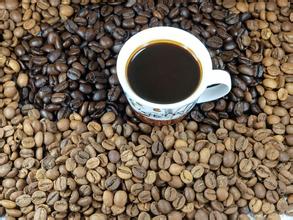
Finca Ataisi: What Makes Salvadoran Coffee Unique?
Explore the standout traits of Salvadoran coffee from Finca Ataisi, including its bold flavors, ideal acidity, and dense beans.

How El Salvador Washed Process Creates Balanced Coffee
Discover how El Salvador’s washed processing delivers balanced, mild coffee with 40% export share and unique flavor stability.
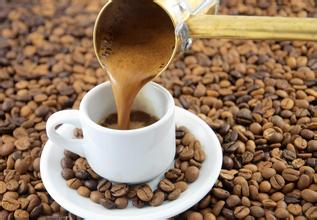
Salvadoran Coffee Bean Origins and Brewing Methods Explained
Explore the origin, characteristics, and brewing of premium Salvadoran coffee beans, with insights into high-altitude growing and processing methods.

What Makes Salvadoran Coffee Beans Unique?
Salvadoran coffee is known for its balanced, mild flavor. Learn how elevation, varieties like Pacamara, and history shape its profile.