
Coffee Farm
Latest articles, industry insights and brewing guides
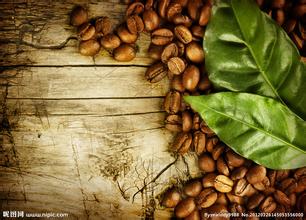
How Ethiopia’s Natural Process Coffee Is Made
Discover how Ethiopia processes its iconic specialty coffees using the traditional natural (sun-dried) method, and why it creates such distinctive cup profiles.

Yirgacheffe Gediyo: Ethiopia’s Hidden Coffee Gem
Explore Ethiopia’s lesser-known Gediyo coffee region and learn how its terroir shapes Ethiopia’s globally admired specialty coffee flavors.

Ethiopia’s Coffee Origins: Varieties, Regions, and Flavors
Explore Ethiopia’s role as coffee’s birthplace, its wild-growing varieties, key regions like Yirgacheffe and Sidamo, and why these beans rarely get deep-roasted.

Where Ethiopian Coffee Comes From and How It’s Made
Explore Ethiopia’s role as the birthplace of coffee, its wild-growing varieties, and traditional farming methods that shape global specialty coffee flavors.

Ethiopian Coffee Bean Characteristics Explained
Learn what makes Ethiopian coffee unique—from wild-growing trees to signature floral and citrus profiles found in Yirgacheffe and Sidamo.

How Colombia Produces Premium Honey Processed Coffee
Learn how Colombia’s honey process creates sweet, balanced specialty coffee from altitude-grown beans with complex processing methods.

Colombian Coffee Flavor Profile: Floral, Apple, Walnut, Cane
Explore the unique flavors of Colombian coffee—floral, apple, walnut, and cane—shaped by altitude, processing, and meticulous quality control.

Colombia’s Cauca: A Hidden Gem in Specialty Coffee Origins
Explore Colombia’s Cauca region, a rising star in specialty coffee known for its high altitudes, rich soils, and complex flavor profiles.

Colombian Coffee from Cauca: Specialty Origins Explained
Learn why Colombian coffee, especially from Cauca, ranks among the world’s best, with deep roots in washed processing and high-altitude growing.

Colombian Coffee Origins, Production & Brewing Methods
Learn how Colombia became the world’s #2 specialty coffee producer, why its washed beans are globally prized, and how MAM-region coffees achieve their signature balance.
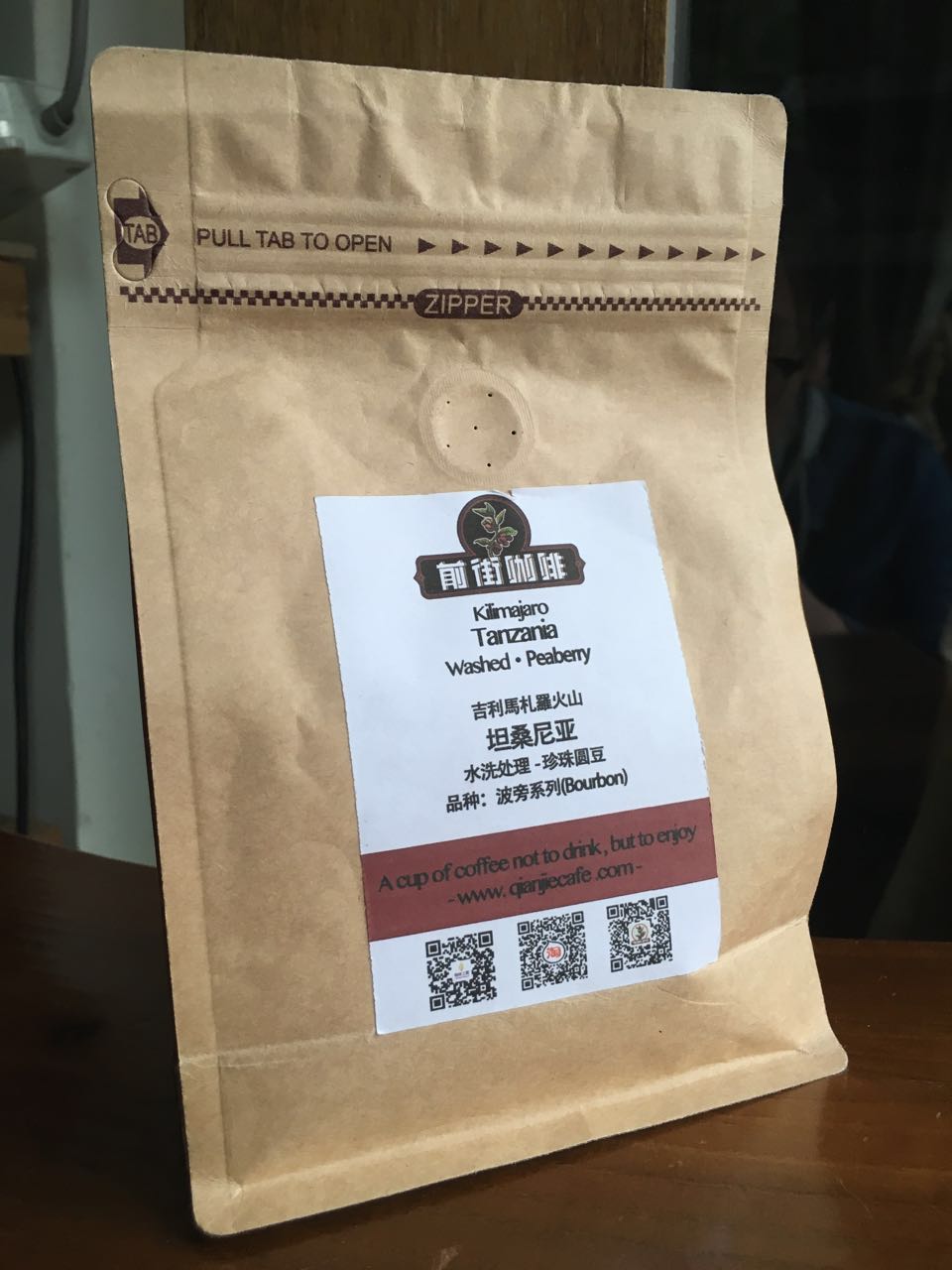
What Makes Colombian Coffee Beans Special?
Colombia is the world’s second-largest Arabica producer, known for balanced, washed beans with smooth acidity and rich body.

What Makes Colombian Coffee Special? Key Facts
Colombia is the world’s second-largest producer of high-quality arabica coffee, known for its balanced, smooth beans grown in diverse microclimates.

What Makes Panamanian Coffee Taste Like White Grapes and Honey?
Discover the smooth, light-bodied Panamanian coffee with white grape, caramel, and honey notes. Learn why its 11 November export is prized in France and Finland.
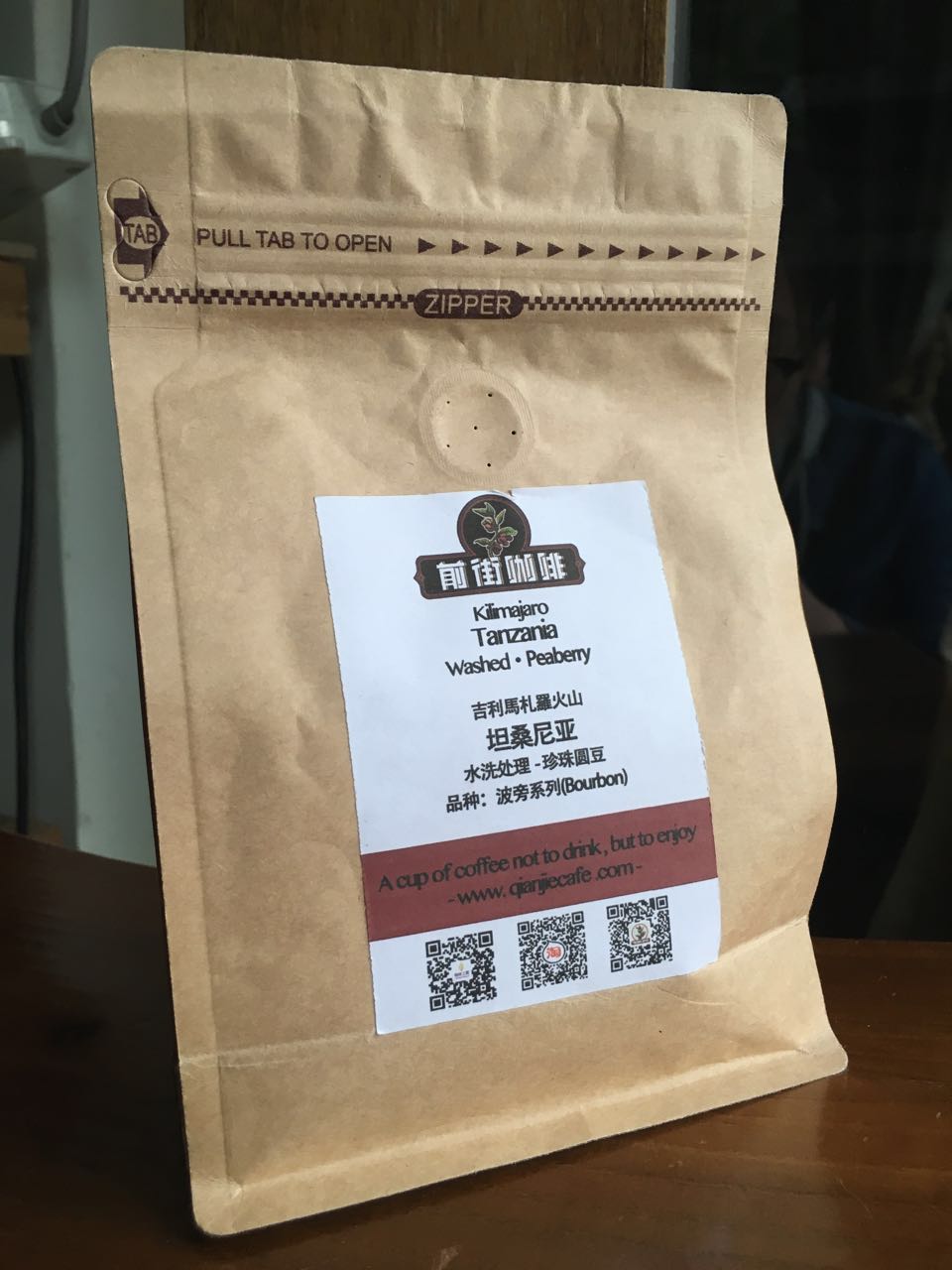
Panama Volcan Baru Highlands Coffee Growing Methods
Explore how high-altitude Panamanian coffee, especially from the Baru volcano, develops its distinctive smooth, acidic, and flavorful profile.
Panama Coffee Growing Regions and Highlands Farms
Panama’s high-altitude coffee is smooth, bright, and uniquely flavored. Most premium beans ship to France and Finland each November.

Where Panamanian Coffee Comes From and How It’s Grown
Discover the origins of Panamanian specialty coffee, why it’s grown at high altitudes, and how it became famous for unique cup profiles.
What Makes Panamanian Coffee Beans So Special?
Panamanian coffee is known for its smooth body, bright acidity, and distinctive flavor. Most high-grade beans ship to France and Finland annually.

Nicaragua Coffee Tastes Like Chocolate and Red Fruit
Nicaragua’s top specialty coffee offers smooth, fruity profiles with chocolatey depth, grown mainly in Jinotega and Matagalpa regions.
Nicaragua Honey Process: How It Shapes Specialty Coffee Flavor
Learn how honey processing in Nicaragua creates balanced, aromatic coffees and why this method became key to reviving the country’s specialty production.

Nicaragua's La Sabana & Madriz Coffee Regions Explained
Discover why Nicaragua’s La Sabana and Madriz produce refined, aromatic coffees with balanced acidity, and how political history shaped the country’s output.