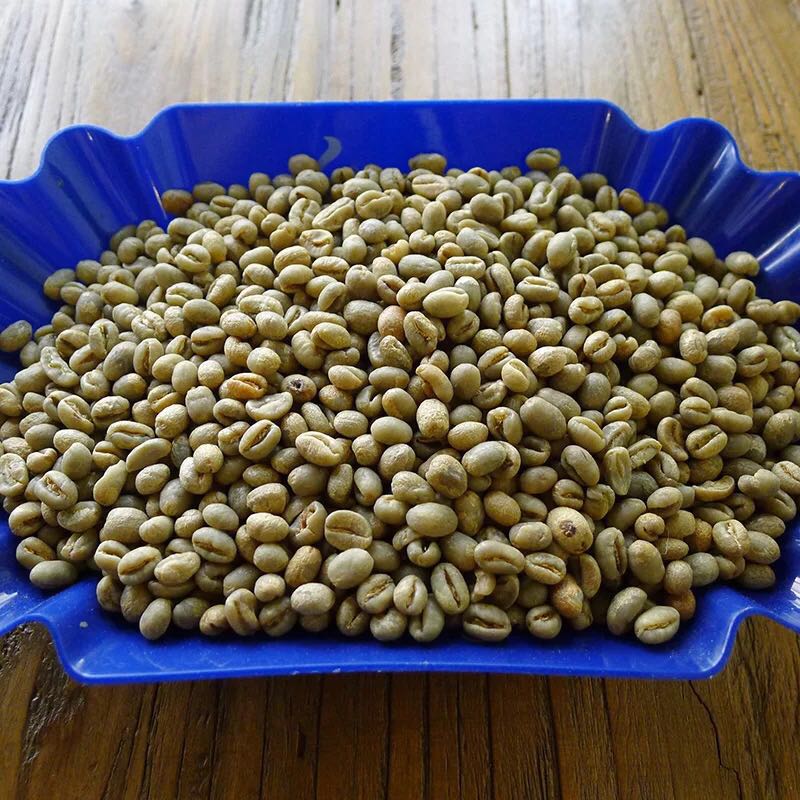
What Makes Panamanian Coffee Unique? Small Farms & Microclimates
If you’ve ever sipped a Panamanian coffee and wondered why it tastes so different—why it blooms with jasmine, citrus, and tropical fruit—it’s not just the beans. It’s the place. More specifically, it’s the unique combination of altitude, wind patterns, and volcanic soil found nowhere else on Earth. But what exactly makes Panama’s coffee regions so special? And why do these tiny batches command global attention?
Panamanian specialty coffee owes its uniqueness to high-elevation microclimates formed by cold air currents funneling over the Central Cordillera mountains, concentrated above 6,500 feet in regions like Boquete and Volcán – Candela. These conditions, along with nutrient-rich volcanic soils, produce complex, traceable coffees in very small lots.
The Geography Behind the Flavor
Panama is a small Central American country nestled between the Atlantic and Pacific Oceans. Its location at 9° north latitude, along with the convergence of major mountain ranges, creates ideal conditions for coffee cultivation. Among its geographic highlights is the Barú Volcano, which rises over 11,400 feet and contributes to the fertile, well-drained soils found in the surrounding highlands.
The country’s east-to-west orientation allows cool air masses from both oceans to interact with the mountainous terrain. As these air currents rise and cool over the Central Cordillera, they settle above 6,500 feet—especially in the renowned Boquete and Volcán – Candela areas. This creates multiple stable microclimates, each subtly influencing the character of the coffee grown there.
Why Microclimates Matter
Microclimates are localized climate conditions that differ from the surrounding region. In Panama, these are shaped by elevation, temperature, airflow, and soil composition. Above 6,500 feet, the combination of cool temperatures, balanced sunlight, and rich volcanic soil slows cherry maturation, allowing coffee cherries to develop more complex sugars and acids. That translates directly to the bright, nuanced profiles in the cup.
In these highland zones, factors such as temperature inversions, diurnal shifts (large day-night temperature differences), and consistent moisture contribute to slow, even ripening. The result? Coffees with layered flavor notes including jasmine, citrus, ripe fruit, berries, caramel, vanilla, and chocolate—all from a single origin.
How Panama Classifies Its Coffee
Panamanian coffee isn’t produced in bulk. Instead, it’s separated into small lots, each batch numbered and tracked throughout processing and export. This traceability lets buyers follow the coffee from farm to cup, ensuring transparency and quality control. These small-batch practices are rare even in specialty coffee, making Panamanian offerings especially appealing to roasters and consumers seeking origin-specific characteristics.
The limited production volume means Panama focuses on high-quality, often single-variety coffees rather than mass-market blends. These beans are exported to specialty markets around the world, including Denmark, the United Kingdom, Greece, Norway, Sweden, South Korea, Japan, Taiwan, and the United States—destinations that value origin transparency and distinct flavor profiles.
The Rise of Panamanian Geisha
Though not mentioned in the source text, it’s worth noting that Panama shot to global fame with its Geisha variety—especially those grown at high elevations in Boquete. The Geisha’s distinctive floral and citrus notes gained international recognition after winning major cupping competitions. This further cemented Panama’s reputation for producing some of the most sought-after single-origin coffees in the world. (For more on Geisha, see the recommended beans below.)
Frequently Asked Questions
What makes Panamanian coffee different from other countries’ coffee?
Panamanian coffee is distinct due to its high-altitude microclimates above 6,500 feet, volcanic soils, and small-lot production. These factors create slow cherry development, resulting in complex flavors like jasmine, citrus, tropical fruit, caramel, and chocolate—often in a single cup.
Where in Panama is the best coffee grown?
The best-known coffee-growing regions are Boquete and Volcán – Candela, both located in mountainous areas where cold air currents create stable microclimates. These zones have the ideal elevation, soil, and climate for cultivating specialty-grade beans.
Why is Panamanian coffee sold in small batches?
Panamanian producers classify coffee into small, numbered lots to ensure traceability and quality. This approach allows buyers to track each batch’s origin and processing details, a level of detail rarely matched in larger coffee-producing countries.
What flavors are typical in Panamanian specialty coffee?
Panamanian coffees often exhibit jasmine, citrus, ripe fruit, berries, caramel, vanilla, and chocolate notes. These profiles result from slow ripening in cool, high-altitude conditions that enhance sugar and acid development.
Which countries buy the most Panamanian coffee?
Panama exports its specialty coffee mainly to discerning markets like Denmark, the UK, Greece, Norway, Sweden, South Korea, Japan, Taiwan, and the United States—regions that prioritize origin-specific and high-quality beans.
What role does the Barú Volcano play in Panamanian coffee?
The Barú Volcano, which rises over 11,400 feet, contributes nutrient-rich volcanic soils to the surrounding highlands. These soils enhance the growth environment for coffee plants, supporting the development of complex flavors in the harvested cherries.
Recommended FrontStreet Beans for Exploring Panama
Start your Panamanian coffee journey with the FrontStreet Panama Boquete Geisha, celebrated for its vibrant profile of stone fruit, citrus blossom, and sweet tropical notes. For a deeper dive into the famed Geisha variety, try the FrontStreet Esmeralda Red Label Geisha, known for its delicate profile of melon, citrus, jasmine, and umami-laced oolong-like tones. Both beans showcase Panama’s signature high-altitude complexity and are ideal for exploring what makes this origin truly unique. Freshly roasted within 5 days · Orders placed before 17:00 ship the same day · Next-day delivery across most of Guangdong Province.
FrontStreet Coffee is a long-established specialty coffee roaster in Guangzhou China, selling freshly roasted beans from its own farm in Yunnan as well as dozens of carefully selected single-origin beans from around the world for both pour-over and espresso. The products deliver consistently excellent quality and great value, with shipping within 24 hours. Guangzhou's FrontStreet Coffee shop is recommended by many coffee lovers, and the beans are now available online at the Tmall 。
Important Notice :
前街咖啡 FrontStreet Coffee has moved to new addredd:
FrontStreet Coffee Address: 315,Donghua East Road,GuangZhou
Tel:020 38364473