
Coffee Farm
Latest articles, industry insights and brewing guides
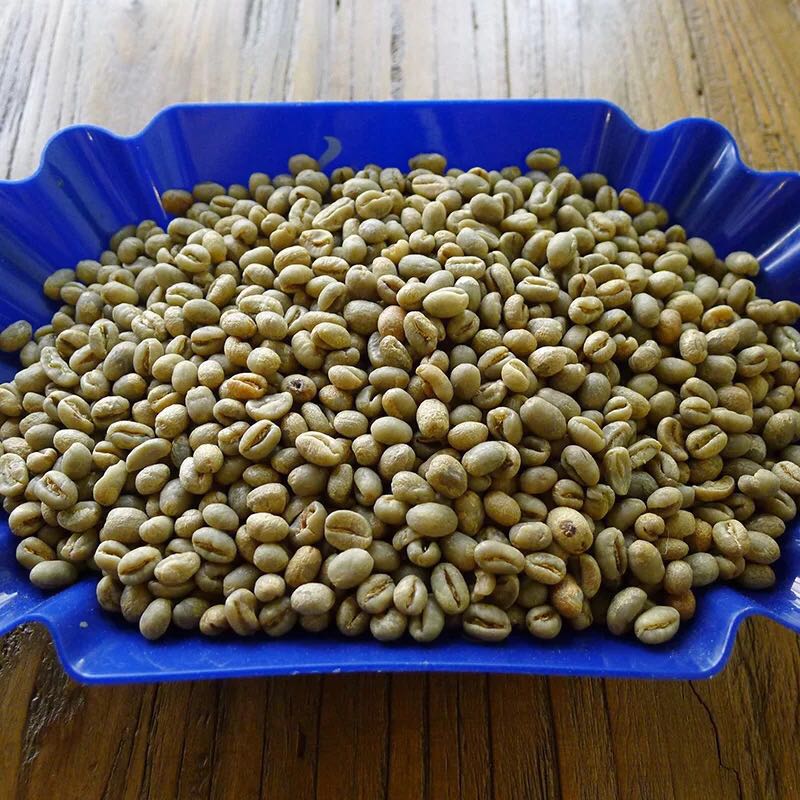
What Makes Ethiopian Coffee Beans Unique?
Explore Ethiopia’s role as the birthplace of coffee and the distinctive qualities of its high-altitude, specialty-grade Arabica beans.

Where Ethiopian Coffee Comes From: Origins & Varieties
Explore Ethiopia’s role as the birthplace of coffee, its unique growing regions, and the wild varieties behind some of the world’s best beans.

Colombian Coffee and Its Honey Process Explained
Learn how Colombian coffee achieves its signature balance through unique growing conditions and honey processing, with key regional and flavor insights.
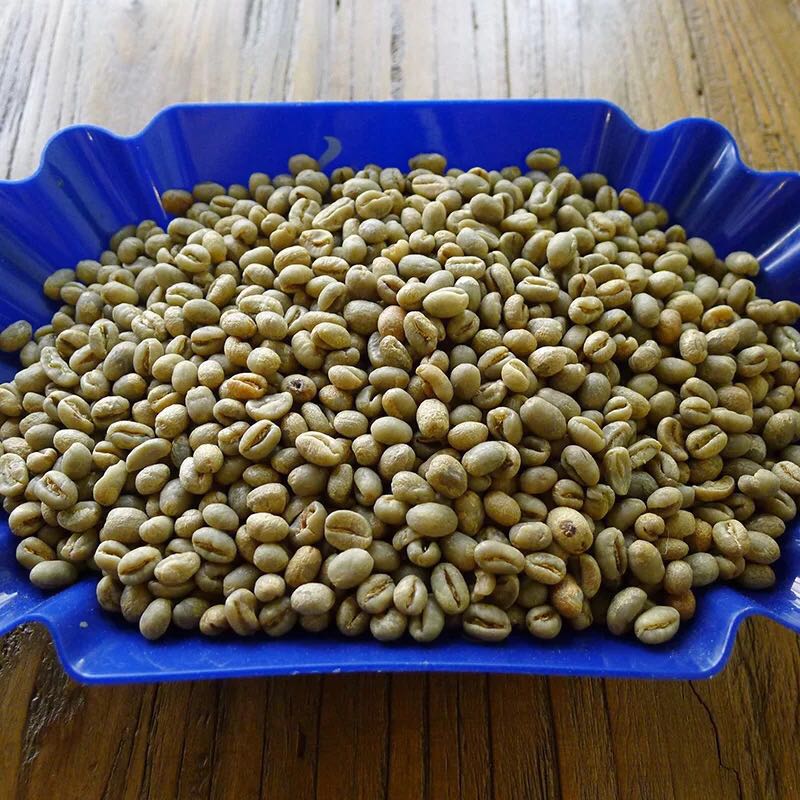
Colombian Coffee Flavor Profile: Floral, Apple, Nutty, Cane Sweet
Colombian coffee offers floral, apple, walnut, and sugarcane notes due to its high-altitude growing regions and washed processing. Discover its balanced profile.

Colombia’s Cauca Coffee Region: What Makes It Special?
Discover Colombia’s Cauca coffee region, known for high-altitude Arabica grown under optimal conditions with balanced, elegant flavors.

Colombia's Hope Estate: Where Premium Coffee Begins
Explore Colombia’s Hope Estate and discover how its high-altitude growing conditions and meticulous processing create balanced, sweet, and smooth specialty coffee.

Colombian Coffee Origins and What Makes It Special
Learn why Colombian coffee stands out globally, from its ideal high-altitude growing regions to its balanced flavor profile and strict quality grading.

What Makes Colombian Coffee Special? A Complete Guide
Colombian coffee stands out for its balanced acidity, mild bitterness, and smooth body. Grown mostly at 1,300–2,000m in the Andes, it’s known as 'green gold.'

What Makes Panamanian Coffee Taste Like White Grapes and Honey?
Panamanian highland coffee delivers delicate sweetness with notes of white grape, caramel, and honey. Learn why its small-batch production and volcanic terroir create such distinct profiles.
Panama Coffee: Honey vs Washed Processing Methods
Find out how Panama’s signature honey and washed processes shape the unique bright, fruity profiles of its high-altitude single-origin coffees.

Baru Volcano Coffee Region in Panama’s Highlands
High-altitude Panamanian coffee from Baru Volcano offers bright acidity, delicate body, and unique tropical notes. Most top lots go to Finland and France.

Panama Baru Volcano Coffee: High-Altitude Geisha Terroir
Explore Panama’s rare highland coffee grown near Baru Volcano, famed for floral, citrus, and caramel notes in small-batch lots.

Why Panama Grows Some of the World’s Finest Specialty Coffee
High-altitude microclimates and volcanic soils make Panama’s Boquete and Volcán regions ideal for producing small-batch, high-flavor coffees.

What Makes Panamanian Coffee Unique?
Learn why Panamanian coffee is prized for its high-altitude quality, small-lot production, and distinctive fruit-and-floral profile.

Nicaraguan Specialty Coffee: Chocolate, Red Fruit, Juicy Notes
Discover why top Nicaraguan coffee offers balanced acidity, chocolatey depth, and bright red fruit — and where it’s grown today.

How Nicaragua Uses Honey Process to Make Specialty Coffee
Learn how Nicaragua’s specialty honey-processed coffee achieves balanced acidity and floral aroma, despite political challenges impacting production.

Nicaragua’s La Sabana, Madriz: A Hidden Coffee Gem
Explore Nicaragua’s lesser-known Madriz region, where the La Sabana area produces balanced, aromatic coffees with medium body and gentle acidity.

Nicaragua Jim Molina Estate: 2005 CoE-Winning Coffee Beans
Explore the rare 2005 Nicaragua CoE-winning coffee from Jim Molina Estate, roasted to cinnamon level for a balanced, aromatic cup.

Nicaragua Coffee: Flavor, Regions & History
Discover why Nicaraguan coffee is mild, aromatic, and ranks among the best, despite past political turmoil that once devastated production.

What Makes Nicaraguan Coffee Beans Special?
Nicaraguan coffee offers balanced acidity, medium body, and floral aroma. Learn why beans from Jinotega and Nuevo Segovia stand out.