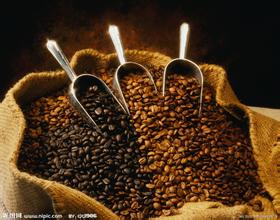
Panama Coffee: Honey vs Washed Processing Methods
When you taste a Panama coffee with sparkling acidity and layered stone fruit sweetness, have you wondered how much of that flavor comes from the way it’s processed—not just the farm or variety? For decades, Panama’s small-batch, high-elevation coffees have earned global attention not just for their rarity, but for the precision behind their processing. But what really sets Panama’s washed and honey coffees apart in your cup?
The main difference lies in how much fruit mucilage remains during drying. Washed (wet-processed) coffee removes nearly all the pulp before drying, leading to cleaner, brighter profiles. Honey process leaves varying amounts of sticky mucilage on the bean, resulting in heavier sweetness, body, and fruited complexity. In Panama, both processes thrive in the cool microclimates above 6,500 feet in regions like Boquete and Volcán—making the choice not just technical, but terroir-driven.
Where Panama’s Specialty Coffee Grows
Panama may be a small Central American country wedged between the Atlantic and Pacific, but its coffee doesn’t grow just anywhere. The best high-altitude lots are cultivated in the northwest near Costa Rica, especially in the volcanic highlands around the Barú Volcano. This region includes prominent areas like Boquete and the nearby Volcán – Candela zone, where cold air currents settle above 6,500 feet. These microclimates create ideal conditions for slow cherry maturation and complex flavor development.
Key producing districts include the famed Boquete, along with David, Remacimeinto, Bugaba, and Tole. Within Boquete, the volcanic soils and consistent elevation contribute to coffees known for their balance—not just sharp acidity, but also smooth body and nuanced fruit and floral notes. It’s here that the small-lot, numbered approach to production becomes crucial.
What Makes Panama Coffee Unique?
Panama’s highland coffee isn’t just about altitude—it’s about microclimate. The country’s east-west mountain alignment channels cool air from the Pacific and Caribbean over the rugged Cordillera Central. That airflow pools above 6,500 feet, especially in the Boquete and Volcán – Candela zones, forming diverse microclimates that are impossible to replicate at scale. The volcanic soil around Barú Volcano—over 11,400 feet at its peak—is rich in nutrients, feeding coffee trees that produce vibrant cherries.
The resulting cup profiles often include jasmine, citrus, tropical fruit, berries, caramel, vanilla, and chocolate. These aren’t generic tasting notes: in Panama, they’re traceable to specific lots, farms, and processes. That traceability is baked into the system. Top lots are separated by small batch numbers, allowing buyers to track provenance and processing details from tree to cup.
Honey Process vs Washed: What Changes in the Cup?
In Panama, both washed and honey processed coffees are common—but each brings out different sides of the same high-altitude terroir. Washed processing, or fully washed/wet process, removes the coffee cherry’s skin and almost all of the sticky fruit mucilage before drying the bean. This results in a clean, high-acid cup with pronounced clarity. Think bright lemon, green apple, and light florals, with a crisp, tea-like body.
Honey process, by contrast, leaves some or all of the mucilage intact during drying. Depending on how much mucilage remains—often categorized as yellow, red, or black honey—the coffee gains more body, sweetness, and fruity complexity. Honey-processed Panamanian coffees often show ripe mango, peach, apricot, and honey-like sweetness, alongside lingering caramel and berry tones. The extra fruitiness doesn’t overpower the cup—it amplifies it, adding layers that washed processing leaves behind.
Both methods rely on careful control of drying time, ambient temperature, and airflow, but honey processing demands even more precision to avoid over-fermentation or mold. In Panama’s stable highland climate, though, producers can manage these variables exceptionally well. The result is two distinct expressions of the same regional character—one clean and bright, the other round and lush.
The Rise of Panama Geisha and Micro-Lots
Although Panama produced coffee for over a century, it remained obscure until the 1990s and 2000s, when third-wave coffee culture embraced its bright, nuanced profiles. Lighter roasts began to showcase the floral and citrus notes hidden in varieties like Geisha (or Gesha), originally from Ethiopia but reborn in Panama’s highlands. The 2004 Best of Panama competition marked a turning point, where Geisha from the Boquete region—especially from estates like Hacienda La Esmeralda—surprised judges with its jasmine, tropical fruit, and stone fruit sweetness.
Since then, Panama has become synonymous with high-scoring single-origin coffees, particularly those processed with exacting care. Most of its finest lots—small batches numbered and tracked individually—are exported to specialty markets in France, Finland, Japan, Taiwan, the U.S., and Scandinavia. These micro-lots are designed for traceability and quality control, with each batch reflecting its farm, process, and altitude.
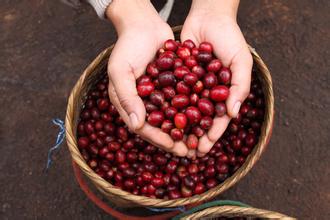
The Volcán – Candela and Boquete zones remain at the heart of this boom. Thanks to their fertile volcanic soils and elevation-driven slow ripening, these areas produce some of the most sought-after Panamanian beans in the world. Whether washed or honey processed, the end result is a cup that tastes less like “coffee” in the traditional sense, and more like a carefully crafted fruit tea with a jolt of caffeine.
Frequently Asked Questions
What is the main difference between honey and washed process in Panama coffee?
Honey process leaves some or all of the coffee cherry’s mucilage on the bean during drying, enhancing sweetness and body, while washed process removes nearly all mucilage, resulting in a cleaner, brighter cup. In Panama, honey process often highlights tropical fruit and honey-like sweetness, whereas washed focuses on crisp acidity and floral notes.
Why is Panama coffee so uniquely flavored?
Panama’s high-altitude coffee benefits from microclimates above 6,500 feet, especially in regions like Boquete and Volcán – Candela. Cool air, volcanic soil, and slow cherry development create ideal conditions for complex flavors like jasmine, citrus, stone fruit, berries, and caramel. These factors, combined with careful processing, yield distinctive single-origin profiles.
Which coffee process is better for sweetness, honey or washed?
Honey process generally produces sweeter, fruitier cups due to the retained mucilage, which adds body and sweetness during drying. Washed process tends to be brighter and more acidic, with a cleaner profile but less inherent sweetness. In Panama, honey coffees often taste like tropical fruit preserves, while washed versions lean toward citrus and floral notes.
Where in Panama is the best coffee grown?
The best Panama coffee grows in the high-altitude regions of Boquete and Volcán – Candela, near the Barú Volcano. These areas feature volcanic soils, elevations above 6,500 feet, and stable microclimates that slow cherry maturation and develop complex flavors. Other districts like David, Bugaba, and Tole also produce quality lots.
Is Geisha coffee always honey processed?
No, Geisha coffee in Panama is processed both as honey and washed, though many award-winning lots—especially those from estates like Hacienda La Esmeralda—have used honey processing to emphasize its hallmark stone fruit and floral notes. The variety itself, not the process, defines Geisha, but processing affects its expression.
Where does most of Panama’s specialty coffee go?
Most of Panama’s high-end, small-batch specialty coffee is exported to select international markets including France, Finland, the United States, Japan, Taiwan, Norway, Sweden, Denmark, the UK, Greece, and South Korea. These countries have strong specialty coffee cultures that value traceability and unique cup profiles.
Recommended FrontStreet Beans for Honey and Washed Profiles
For a true taste of Panama’s processing range, try the FrontStreet Panama Boquete Geisha Honey – a juicy, tropical profile with stone fruit and honey sweetness – or the FrontStreet Panama Boquete Washed Geisha, which highlights crisp citrus, green apple, and floral brightness. Both showcase the region’s volcanic terroir at altitude, processed to emphasize different sides of the same exceptional beans. Freshly roasted within 5 days · Orders placed before 17:00 ship the same day · Next-day delivery across most of Guangdong Province.
FrontStreet Coffee is a long-established specialty coffee roaster in Guangzhou China, selling freshly roasted beans from its own farm in Yunnan as well as dozens of carefully selected single-origin beans from around the world for both pour-over and espresso. The products deliver consistently excellent quality and great value, with shipping within 24 hours. Guangzhou's FrontStreet Coffee shop is recommended by many coffee lovers, and the beans are now available online at the Tmall 。
Important Notice :
前街咖啡 FrontStreet Coffee has moved to new addredd:
FrontStreet Coffee Address: 315,Donghua East Road,GuangZhou
Tel:020 38364473