
Coffee Farm
Latest articles, industry insights and brewing guides

Tanzania Coffee: Flavor & Origins of AA-Grade Beans
Explore Tanzania’s high-altitude coffee regions, key growing areas like Moshi near Kilimanjaro, and what makes its AA-grade beans so aromatic.
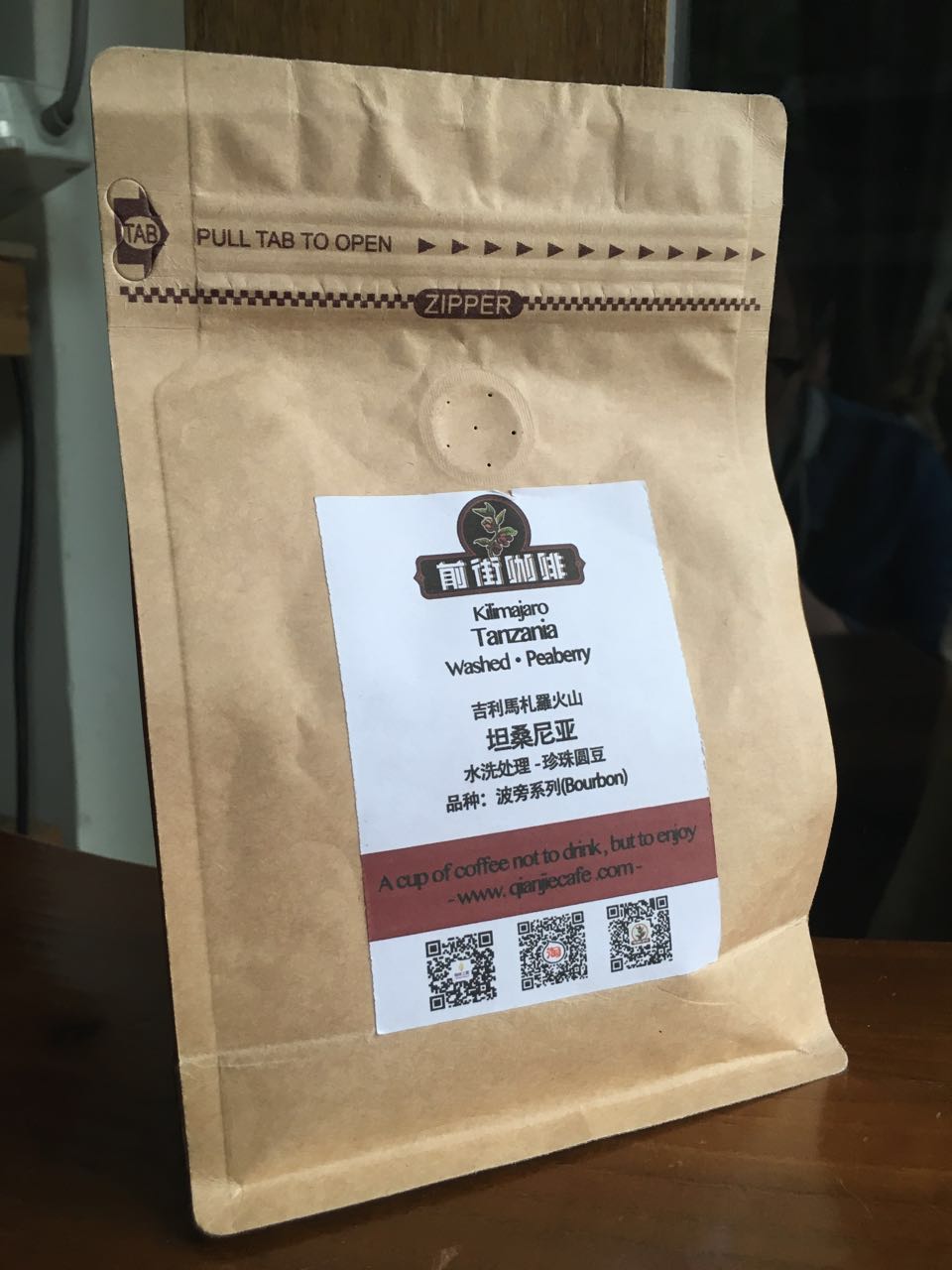
Tanzanian Coffee Beans: Flavor, Origin & What Makes Them Special
Discover Tanzanian coffee’s bright acidity, floral aroma, and unique cup profile. Learn why Chagga AA and washed beans from Kilimanjaro stand out.
How Tanzania Coffee Beans Are Washed Processed
Tanzania’s washed coffee beans develop bright acidity and floral aromas through a traditional water-based processing method. Learn how it’s done.
How Tanzania Processes Its Specialty Coffee
Tanzania’s high-quality washed Arabica is grown near Kilimanjaro, processed to highlight floral and citrus notes, and typically roasted light for bright acidity.

Tanzanian Coffee Beans: Origins and Brewing Guide
Learn about Tanzanian coffee’s unique qualities, growing regions, and how to brew Chagga AA for optimal flavor.

Kenya Coffee: What Makes It So Exceptional?
Kenya produces some of the world’s most aromatic, balanced, and fruity coffees. Learn why its AA grades and unique auction system set global standards.
What Makes Kenyan and Rwandan Coffee So Special?
Explore why Kenyan coffee is prized for its bright acidity and fruity notes, and how Rwandan beans offer balanced berry flavors with clean processing.
How Rwanda Washed Coffee Is Processed with Raised Bed Drying
Rwandan washed coffee uses raised-bed sun drying to develop bright acidity and clean fruit flavors. Learn the full processing steps.
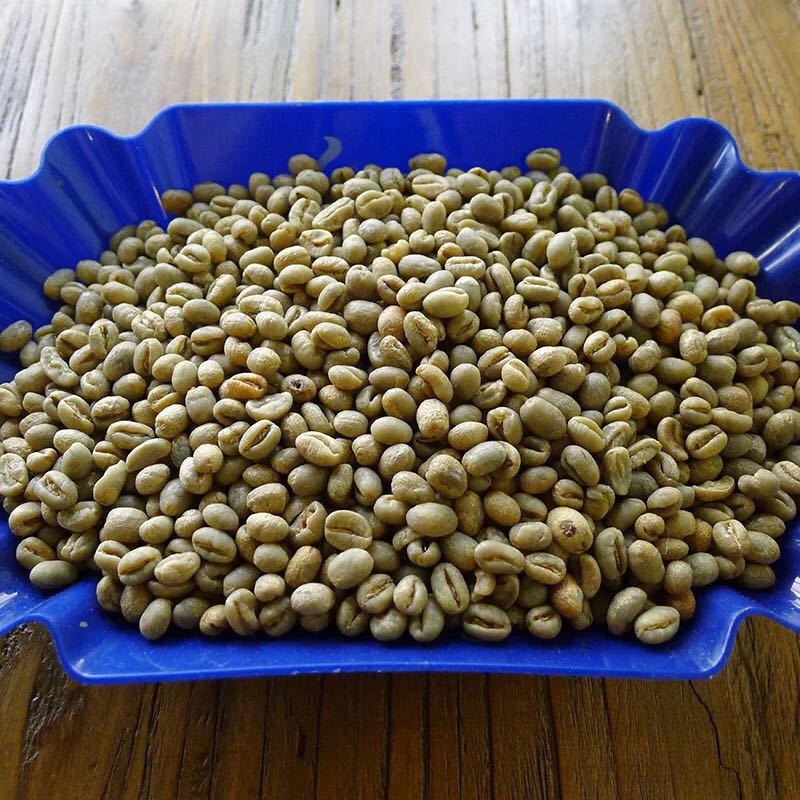
What Makes Rwandan Coffee Unique? Flavor & Origins Explained
Rwandan coffee offers bright acidity, citrus, and floral notes thanks to high-altitude Bourbon varieties grown on volcanic soils. Here’s what sets it apart.
Kenyan Coffee Flavor Profile: Blackcurrant, Cranberry, and Floral Notes
Kenyan coffee offers intense floral aromas, balanced acidity, and rich fruit flavors like blackcurrant and cranberry. Learn why it’s a favorite among specialty roasters.

Kenya Nyeri Central Highlands: Rare Specialty Coffee Origin
Explore Kenya’s Nyeri highlands, famed for balanced acidity and rich fruitiness in specialty coffee. Learn why this region produces some of the world’s best beans.
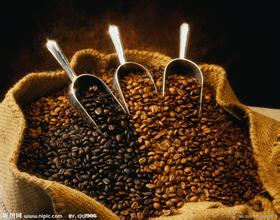
Kenya Coffee Farming & Brewing Guide
Discover how Kenya grows its world-renowned coffee with balanced acidity and fruity notes, plus how to brew it right.
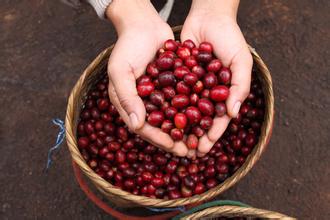
Colombian Coffee Flavor Profile: Floral, Apple, Nutty, Cane Sweet
Discover the unique flavor profile of Colombian coffee—floral, apple, walnut, and sugarcane—with insights into its origins, processing, and regional distinctions.
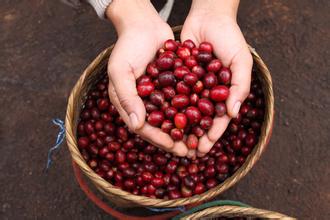
How Colombia Produces Its Famous Honey Process Coffee
Colombia’s honey process coffee combines washed and natural methods, creating sweet, balanced beans. Learn how altitude, processing, and variety shape its flavor.

Colombian Coffee from Hopes Estate: What Makes It Special
Explore Colombia’s Hope Estate coffee, a high-quality washed Arabica grown in the Andes at 1,300–2,000m with balanced acidity and a smooth profile.
Ethiopian Natural Process: How Sun-Dried Coffee Is Made
Discover how Ethiopia’s iconic natural-process coffee is crafted—from wild-grown trees to sun-dried fermentation on raised beds.

Ethiopian Coffee: Light Fermented, Sweet Citrus & Spice Notes
Ethiopian coffee offers delicate flavors—light fermentation, citrus, spice, and honey sweetness. Learn why its unique profiles come from origin and processing.

Where Yirgacheffe Coffee Comes From: Ethiopia’s Gediyo Region
Learn about Ethiopia’s Yirgacheffe coffee origin, especially the lesser-known Gediyo area, its unique terroir, and why this region produces some of the world’s most distinctive beans.
Ethiopian Natural Yirgacheffe Coffee Beans Explained
Explore the origins, flavors, and processing styles of Ethiopia’s iconic Yirgacheffe and other native coffee beans.

How Kopi Luwak Coffee Is Made from Civet Digestion
Kopi Luwak is made when civets eat coffee cherries, digest the fruit, and excrete the beans. We explain the wild—and controversial—process behind the world’s most expensive coffee.