
Coffee Farm
Latest articles, industry insights and brewing guides
The Origins and Flavors of El Salvador Coffee Beans
Discover El Salvador's balanced, mild coffee beans—export staples with unique cup profiles shaped by altitude and hybrid varietals like Pacamara.
What Makes Salvadoran Coffee Unique? Flavor & History
Discover the balanced, smooth flavor profile of Salvadoran coffee, its complex history, and why Pacamara is now its standout variety.

Costa Rican Coffee Beans: Flavor, Origin & Pricing Guide
Discover the flavors, key regions, and pricing of Costa Rican coffee beans, including Tarrazú and honey-processed specialties.
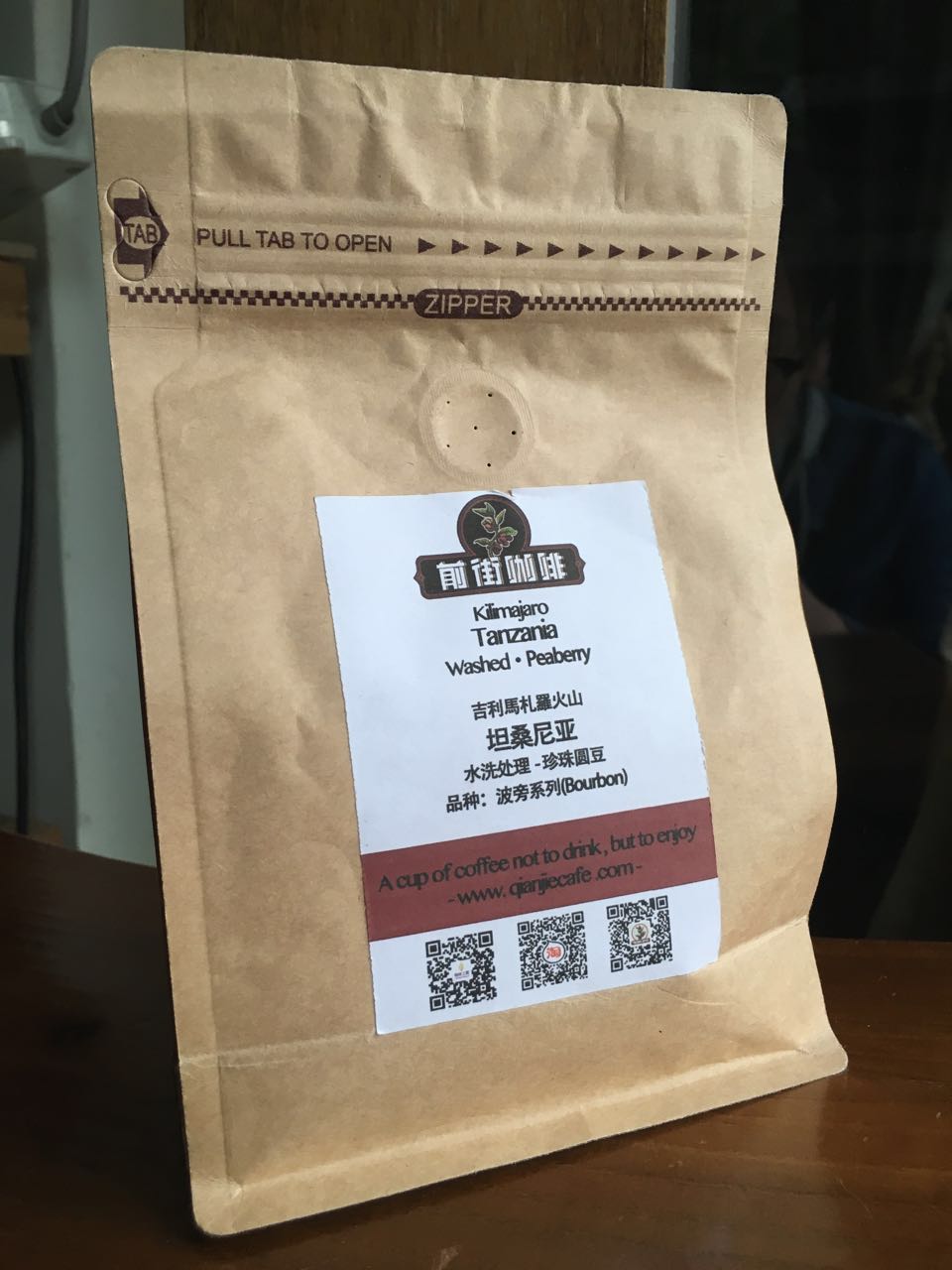
Costa Rican Coffee Origins and Key Growing Regions
Explore the origins of Costa Rican coffee, its high-altitude terroir, and why regions like Tarrazú produce some of the world’s best specialty beans.
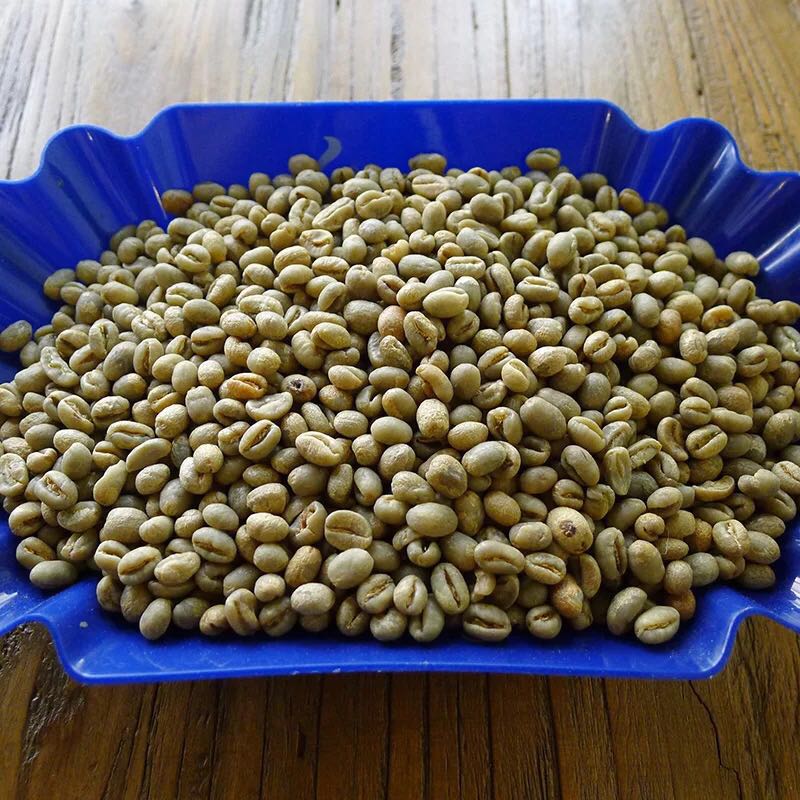
What Makes Papua New Guinea Coffee Beans Unique?
Learn why PNG coffee grows at high altitudes, why it tastes fruity and nutty, and how quality improved after 1990s reforms.
Kopi Luwak Coffee: Origins, Flavor, and Production
Discover the origins, production, and sky-high pricing of Kopi Luwak, the world’s rarest coffee fermented in civet digestive tracts.

The Origins and Legacy of Bali Coffee Beans
Discover the fascinating history and origins of Bali coffee, from 19th-century French court diplomacy to today’s high-altitude specialty beans.
What Makes Bali Coffee Beans Special? Indonesian Origins Explained
Discover the unique story and flavor profile of Bali coffee beans, rooted in Indonesian Mandheling tradition and colonial-era lore.
Indonesian Coffee Origins: Where the Beans Come From
Explore Indonesia’s major coffee-growing islands, their flavor profiles, and the history behind its global specialty coffee exports.

What Makes Indonesian Coffee Beans Unique?
Indonesian coffee offers rich, syrupy flavors with low acidity and complex body. Learn why islands like Sumatra, Sulawesi, and Java produce some of the world’s most distinctive beans.
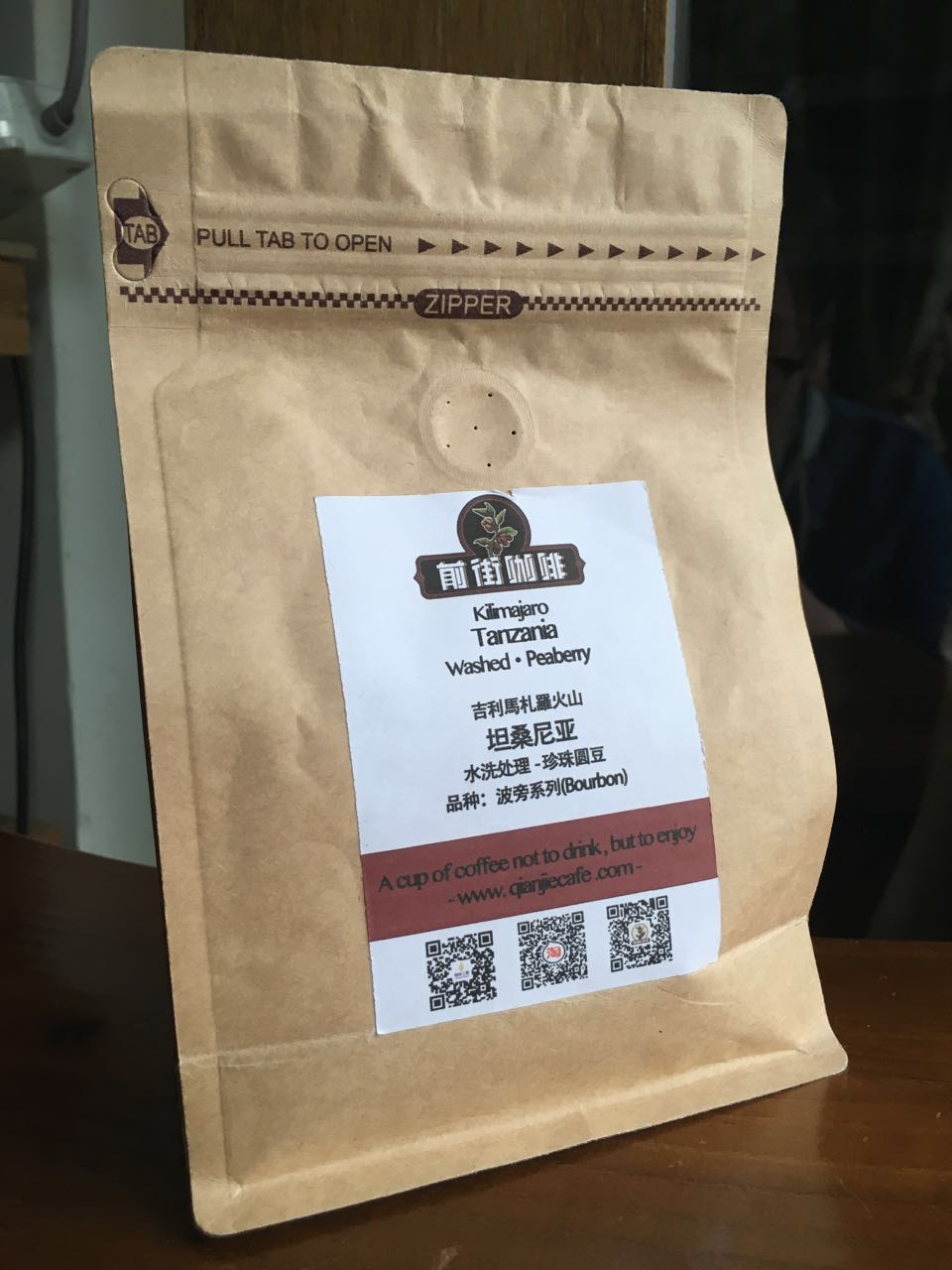
Tanzania Coffee Beans: Flavor, Profile & What Makes Them Special
Tanzania produces high-quality Arabica, especially near Kilimanjaro. Its Chagga AA beans offer bright acidity, floral notes, and a smooth cup.
Rwandan Coffee Beans: Washed Arabica Origins
Rwandan coffee beans are premium washed Arabicas, known for bright acidity and a grassy tropical profile. Their unique taste comes from Rwanda’s fertile soil and climate.

What Makes Rwandan Coffee Beans Unique?
Rwandan coffee, primarily washed Arabica, is prized for its clean, vibrant profile with soft acidity and notes of berry, citrus, almond, and chocolate.
What Makes Kenyan Coffee Beans So Special?
Kenyan coffee is prized for its vibrant acidity, rich fruitiness, and meticulous processing. Learn why it’s a favorite among specialty roasters worldwide.

Ethiopian Coffee Beans: Origins, Growing & Brewing Guide
Explore Ethiopia’s role as the birthplace of coffee, its wild-growing varieties, key regions like Yirgacheffe and Sidamo, and how to brew its bright, floral beans.

What Makes Ethiopian Coffee Beans Unique?
Learn what sets Ethiopian coffee apart—from wild varieties and altitude to distinct flavor profiles that resist dark roasts.

Where Colombian Coffee Comes From and Why It’s So Famous
Learn why Colombia is the world’s second-largest producer of high-quality Arabica coffee, with ideal growing conditions and strict quality control.
What Makes Colombian Coffee Beans Special?
Colombian coffee offers balanced, smooth cups with bright acidity. Learn why it’s ranked among the world’s best washed Arabicas.

What Makes Panamanian Coffee Beans Special?
Panamanian coffee is smooth, bright, and uniquely flavorful, with elite beans grown at high altitudes, especially in Boquete and Volcán Barú.

What Makes Honduran Coffee Beans Special?
Honduran coffee is known for high acidity and quality, graded by altitude. Top-tier beans come from elevations above 1500 meters.