
Coffee Knowledge
Latest articles, industry insights and brewing guides

How Coffee Boosts Memory in Older Women, Study Finds
Drinking three or more cups of coffee or tea daily helps older women retain memory over years, a French study on seniors found.

10 Surprising Facts About Coffee You Probably Didn’t Know
Think you know coffee? Discover ten little-known truths — from lethal doses of caffeine to how decaf still has some caffeine.
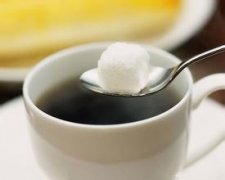
How Coffee Drinking Affects Liver Cirrhosis Mortality
Drinking coffee lowers death risk in liver cirrhosis patients, especially those with alcohol-related cases. Find out how much and why.

How Coffee Boosts Health and Energy, Backed by Science
Learn how coffee enhances focus, athletic performance, and dental health — and reduces risks of diabetes, Parkinson’s, and kidney stones.

Antioxidant Activity in Green and Roasted Coffee Beans
Fresh and roasted Arabica and Robusta beans show strong free radical-fighting effects—both inside cells and in lab tests—with roasted beans offering extra benefits.

Does Coffee Affect Sleep? What Science Says
Learn how coffee impacts sleep and health. Most people can drink 3–5 cups daily with no harm, but timing matters for sleep.
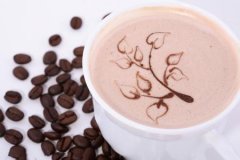
How to Drink Coffee the Healthy Way
Learn the fundamentals of brewing healthy, great-tasting coffee at home with the right grind, water temperature, and brewing time.

The Health Benefits and Risks of Drinking Coffee
Coffee offers antioxidants and may prevent gallstones, but excessive intake can raise blood pressure and affect bone health. Find the facts here.

What’s in a Cup of Coffee? The Real Health Effects
Coffee boosts energy, aids digestion, and may protect your heart — but it also risks bone loss and pregnancy complications. Here’s the science.

8 Common Myths About Coffee Debunked
Learn the truth behind common misconceptions including caffeine addiction, insomnia, dehydration, and health risks of drinking coffee.

Does Coffee Drinking Lead to Calcium Loss?
A typical medium cup of freshly ground coffee contains 150–200mg caffeine. Exceeding 300mg daily may cause calcium loss and other side effects.

Morning Coffee Linked to 4x Stroke Risk in Older Adults
Research finds that older adults who rarely drink coffee face a 4x higher stroke risk within an hour of their first morning cup.

Why You Should Drink Coffee After a Meal
Drinking coffee after meals aids digestion and may help prevent allergies. Avoid it on an empty stomach to protect your stomach and appetite.

Why You Shouldn't Drink Coffee After Alcohol
Drinking coffee right after alcohol increases heart strain and delays recovery. Wait at least 1–3 hours depending on the drink.

Why You Should Skip Coffee Mate and Use Fresh Milk
Avoid coffee creamers with trans fats—use fresh whole milk for better flavor and health. Learn why and how to make the switch.

Medical Conditions That Make Coffee Unsafe to Drink
Certain health conditions—like high blood pressure, diabetes, and kidney disease—can worsen with coffee. Here’s which illnesses mean you should avoid it.

8 Common Misconceptions About Specialty Coffee
Clearing up myths around coffee addiction, insomnia, health risks, and dehydration — with clear facts and daily limits explained.

How Coffee Before Exercise Reduces Workout Pain
Drinking coffee before a workout can significantly reduce perceived muscle pain during exercise, according to a U.S. university study.

Why Morning Coffee Might Not Be the Best Idea
Drinking coffee right after waking up can spike your heart rate, cause stomach discomfort, and trigger hunger. Here’s when and how to drink coffee better.

Why Coffee and Paracetamol Don't Mix — Liver Risk Explained
Drinking coffee while taking paracetamol can triple toxic liver enzyme levels. Avoid caffeine for safety, especially with common OTC painkillers.