
Coffee Knowledge
Latest articles, industry insights and brewing guides

What Is Coffee? The Basics Every Coffee Drinker Should Know
Learn what coffee really is—from plant origins to processing methods—and how it becomes the drink you know. Covers beans, varieties, and caffeine effects.
Where in the World Is Coffee Grown?
Coffee grows within 25° north and south of the equator. Over 60 countries produce it, led by Brazil, Colombia, and African nations.
How Colombian Coffee Is Grown: Altitude, Varieties & Farming Methods
Colombia grows world-class Arabica coffee at 1,200–1,400m altitude using washed processing and hand-picking—here’s how it’s done.
How Coffee Trees Are Grown Around the World
Learn how soil, altitude, and farming methods shape the unique flavors of coffee grown in Latin America, East Africa, and Asia-Pacific regions.
What Does a Small Coffee Tree (Yunnan Arabica) Look Like?
Explore the anatomy of Yunnan’s small Arabica coffee tree—root depth, leaf shape, flower cycles, fruit development, and more—with exact growth data.
How to Control Coffee Rust and Anthracnose in Small Coffee Trees
Learn how to prevent and treat coffee rust and anthracnose, the most damaging diseases affecting small Arabica coffee plants, with fungicides, pruning, and resistant varieties.
How to Grow Coffee Trees: From Seed to Planting
Learn how to cultivate strong coffee seedlings, prepare land, and plant coffee trees with precise steps for soil, spacing, and care.
Environmental Needs for Growing Coffee Trees
Learn the exact climate, altitude, soil, and other ecological conditions required to successfully grow coffee trees for quality beans.
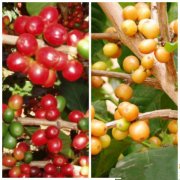
What Makes a Coffee Tree? 5 Key Physical Traits
Coffee trees have a cone-shaped root system, oval leaves, fragrant white flowers, and usually two seeds per cherry. Here’s what defines them.
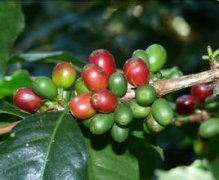
What Climate Do Coffee Trees Really Need?
Coffee grows best in a narrow band around the equator. Learn the exact climate, rainfall, and soil conditions specialty coffee needs to thrive.

What’s Inside Coffee Beans? Key Chemical Components Explained
Coffee beans contain caffeine, acids, fats, sugars, and more. Here’s a breakdown of the major chemical compounds in your cup.
Coffee Growing Characteristics Around the World
Explore the unique coffee-growing traits of Asia, Africa, the Americas, and Oceania—key regions producing diverse global coffee profiles.
Puerto Rico’s Coffee Growing Regions Explained
Explore Puerto Rico’s key coffee regions, especially the famed Yauco Selecto, its unique terroir, and why it’s regaining global attention.
Indonesia’s Coffee Regions and What Makes Them Unique
Explore Indonesia’s major coffee-growing islands, from Java to Sumatra, and learn what sets their beans apart in flavor and processing.
Kenya’s Coffee Growing Regions Explained
Explore where Kenya grows its world-renowned coffee, how it’s graded, and why its unique fruitiness sets it apart globally.
How Altitude and Climate Shape Coffee Tree Growth
Learn how elevation, temperature, and rainfall determine coffee tree health and bean quality—key factors behind your cup’s flavor profile.
Why Kenya Is a Model Coffee Producer
Kenya’s government-regulated coffee system ensures high quality through centralized buying, auctions, and strict technical guidance—here’s how it works.
The Revival of Jamaica’s Conastadle Blue Mountain Farm
Learn how the historic Conastadle estate, lost since 1842, was revived as a modern Jamaica Blue Mountain No.1 coffee brand by the Sharpe family.
Mavis Bank Central Factory: Jamaica's Coffee Legacy
Explore the history and production of Mavis Bank coffee, from its 1923 founding to annual exports of 4,000–6,000 Blue Mountain coffee barrels.
Mohao Blue Mountain Coffee Estate: Jamaica’s Hidden Gem
Discover the origins and legacy of Mohao Estate, a lesser-known gem in Jamaica’s Blue Mountain region producing high-quality coffee at 763–1200m elevation.