
Coffee Bean
Latest articles, industry insights and brewing guides

What Makes Hawaiian Kona Coffee So Special?
Hawaiian Kona coffee grows in ideal conditions on volcanic slopes, offering rich, balanced flavor with cinnamon spice and medium acidity.
What Is Brazilian Santos Coffee? The Truth About Santos Beans
Brazil produces 30–35% of the world’s coffee, but only Santos stands out. Learn why this flat-grown, low-acid Brazilian arabica is so widely used.
Colombia SUPREMO Coffee Beans Explained
Learn why Colombia SUPREMO beans are prized worldwide. Discover their origin, flavor profile, and what makes them stand out among Arabica coffees.
Ethiopia Mocha Coffee Bean Guide
Learn about Ethiopia’s famous Mocha coffee, known for its wine-like acidity, bold aroma, and high yield from key growing regions like Harrar and Sidamo.
Cuban Maragogype: The Giant Elephant Bean Coffee
Learn why Cuban-grown Maragogype, or elephant bean coffee, is three times larger than standard beans and how it’s grown in limited quantities.
The 3 Most Famous Specialty Coffee Beans
Discover the three most legendary coffee beans: Jamaica Blue Mountain, Kopi Luwak, and Cubita. Learn what makes them rare and why they’re so sought after.
Ethiopian Coffee Origins and Flavor Profiles
Explore Ethiopia’s role as the birthplace of coffee, with distinct regional flavors from Harar, Yirgacheffe, and Sidamo explained.
What Makes Kenyan Speciality Coffee Unique?
Explore the distinctive flavours and high standards of Kenyan coffee, including AA++, PB grades, and unique SL varietals from regions like Nyeri.
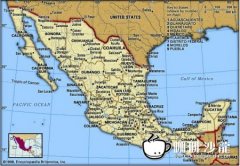
What Makes Mexican Coffee Unique? Explore Chiapas' Flavor Profile
Discover the distinct characteristics of Mexican coffee, especially from the Chiapas region, known for its sweet, mild profile and unique growing conditions.
What Makes Cuban Coffee Unique?
Cuban coffee is known for its full-bodied profile and rich tobacco notes. Here’s what defines its unique flavor and where it comes from.
Guatemalan Coffee: Flavor Profiles by Region
Discover the unique flavor profiles of Guatemalan coffee from regions like Antigua and Huehuetenango, known for spice, fruit, and nut notes.
What Makes Salvadoran Coffee Unique?
Discover the balanced, medium-to-dark roasted coffee from El Salvador with classic Bourbon traits and citrus-caramel complexity.
10 Key Factors When Selecting Green Coffee Beans
Learn how to assess green coffee quality by inspecting size, color, processing details, and smell—no cupping needed.
Salvadoran Coffee Processed with Hot Spring Water
Salvadoran highland farms use 32–34°C mineral-rich hot spring water to wash coffee, creating sweet, balanced Pacamara beans with unique processing.
How Washed Process Coffee Beans Are Made
Washed coffee uses water and fermentation to remove fruit pulp and produce clean, bright beans with 16% moisture and minimal defects.
How Natural Process Coffee Beans Are Made
Learn how natural or sun-dried coffee beans are processed, why they taste fruitier, and what makes them different from washed beans.
How Coffee Beans Are Processed: Natural vs Washed Methods
Learn how coffee beans are processed after harvest—natural (dry) and washed (wet) methods explained, including drying times, fermentation, and milling steps.
How Coffee Berries Are Picked, Processed, and Dried
Learn how ripe coffee cherries are harvested and processed—either sun-dried or wet-processed—before becoming the green beans we roast.
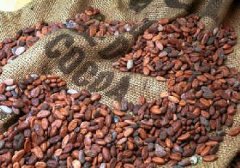
How Natural (Dry) Process Coffee Beans Are Made
Dry processing, or natural method, dries whole coffee cherries in the sun for weeks. Learn how it shapes flavor, risks, and global use.
Natural, Washed, Honey: How Coffee Beans Are Picked and Processed
Learn how ripe coffee cherries are sorted and processed—natural, washed, Brazilian semi-washed, or mechanical honey—to shape your cup’s flavor.