
Coffee Bean
Latest articles, industry insights and brewing guides

What Are the Key Coffee Bean Types by Country?
Discover the distinct characteristics of major coffee-growing nations like Brazil, Colombia, Jamaica, and Indonesia. A concise guide by specialty experts.
Flat, Round, and Giant Coffee Beans Explained
Learn why some coffee beans are flat, others round, and a few unusually large — and whether those differences affect flavor or roast.
Genetic Mutations in Coffee Varieties Explained
Explore rare coffee mutations like Geisha, SL28, and Yellow Bourbon—what makes them unique, where they grow best, and why they matter.
8 Common Coffee Defects Every Roaster Should Know
Learn how moldy, underripe, and insect-damaged beans ruin flavor—and which defects to spot before roasting.
Why Kenyan Coffee Is Considered Exceptionally Good
Kenyan coffee is prized for its bright acidity, rich fruitiness, and complex aromatics—qualities that make it a favorite among specialty roasters.

What Makes Tarrazú Coffee from Costa Rica Unique?
Explore why Tarrazú coffee is renowned for its bright, clean flavor and how altitude and processing shape its premium profile.

Salvadoran Coffee: Mild, Balanced, and Unique
Discover why Salvadoran coffee is known for its balanced flavor and why 40% of the country’s exports feature this mild-profile bean.
What Makes Sumatran Coffee Unique?
Sumatran coffee, especially Mandheling, is known for full body and earthy notes. Learn where it’s grown, how it’s graded, and what ‘Golden Mandheling’ really means.
Anatomy of a Coffee Bean: What’s Inside Every Bean
Learn what makes up a coffee bean—from outer skin to inner embryo—and how it affects your brew. A clear breakdown of the 7 key parts.
US Specialty Coffee Association Green Bean Classification Guide
Learn how the SCAA grades green coffee beans by defects, moisture, and cup quality—from Specialty Grade to Off Grade.
Anatomy of a Coffee Bean: Structure Explained
Learn the 7 layers of a coffee bean—from the outer skin to the inner embryo—and how each affects roasting and brewing.
How to Brew Coffee: 7 Classic Methods Explained
Learn how to make coffee using paper filter, French press, siphon, moka pot, and more with exact ratios, temps, and techniques.

How to Grind Coffee Beans for the Best Flavor
Grind coffee right before brewing to preserve aroma. Adjust grind size based on brew method—fine for espresso, coarse for drip—to avoid over- or under-extraction.
Can You Really Brew Coffee Twice?
Yes, you can extract a second cup—but only under specific conditions. Learn how to improve weak brews with a second pass using controlled variables.
How to Identify High-Quality Green Coffee Beans
Learn the key visual, structural, and olfactory markers that distinguish premium green coffee beans before roasting.
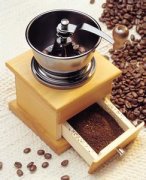
When Is the Best Time to Grind Coffee?
Grind coffee right before brewing to preserve aroma and flavor. Pre-ground coffee loses freshness quickly due to oxidation.

How Long Are Roasted Coffee Beans Fresh?
Freshness affects coffee flavor significantly. Roasted beans peak in taste after a week, but lose aroma and develop bitterness if kept too long.
The Journey of Coffee: From Bean to Brew
Explore how coffee evolves from cherry to cup—covering harvest, processing, roasting, and brewing methods that shape your daily brew.
What Defines High-Quality Coffee Bean Characteristics
Explore the key traits that define excellent specialty coffee beans, from acidity and sweetness to body and roast impact.
Do Coffee Beans Really Have Male and Female Varieties?
Coffee 'male' beans—technically peaberries—are single-seeded mutations with richer flavor. They occur rarely, often under unique growing conditions like Taiwan’s high-altitude hills.