
Coffee Bean
Latest articles, industry insights and brewing guides
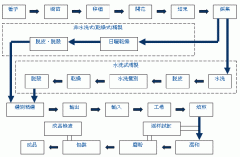
How Coffee Is Processed From Bean to Cup
Learn the full journey of coffee production—from harvest to roast—including washing, drying, and processing steps that shape flavor.

Washed vs Natural Coffee Processing: Key Differences
Learn how washed (wet) and natural (dry) coffee processing methods affect flavor, quality, and cost — with exact timelines and steps for each.
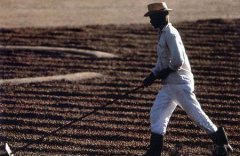
How Coffee Beans Are Processed: Natural vs Washed
Coffee processing affects flavor, price, and quality. Learn how dry (natural) and wet (washed) methods work, their steps, timelines, and impact.
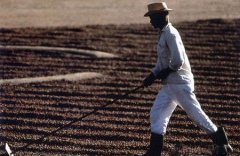
How Coffee Beans Are Processed: Natural vs Washed
Learn how natural (dry) and washed (wet) processing methods shape coffee flavor, quality, and price—from harvest to export.
How Kopi Luwak Coffee Is Actually Made
Kopi Luwak is made from coffee beans eaten and excreted by civets. We explain the full process behind this controversial specialty coffee.
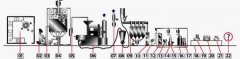
How Coffee Processing Methods Shape Flavor
Explore how coffee processing transforms raw beans — from washed to natural and honey methods — and what each means for your cup.

Salvadoran Coffee Processed with Natural Hot Spring Water
Discover how a Salvadoran farm uses 32–34°C hot spring water to wash specialty Pacamara beans, enhancing sweetness and texture.
Using a Vibrating Screen to Separate Coffee Beans and Peanuts
Yes, a vibrating screen can separate coffee beans and peanuts. Learn how mesh size, equipment type, and setup affect the sorting process.
How to Tell If Your Green Coffee Beans Are Fresh
Learn how to assess green coffee freshness by color, moisture, smell, and age. Key indicators include vibrant green color and a clean, grassy scent.
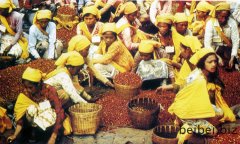
How Coffee Beans Are Processed After Harvest
Learn how wet and dry processing methods shape coffee flavor, from cherry to green bean, with key steps and quality differences.
What Is Specialty Coffee? The Real Definition
Specialty coffee scores 80+ in cupping, comes from traceable farms, and is judged on flavor—not bean size or origin grade. Here's how it's defined.
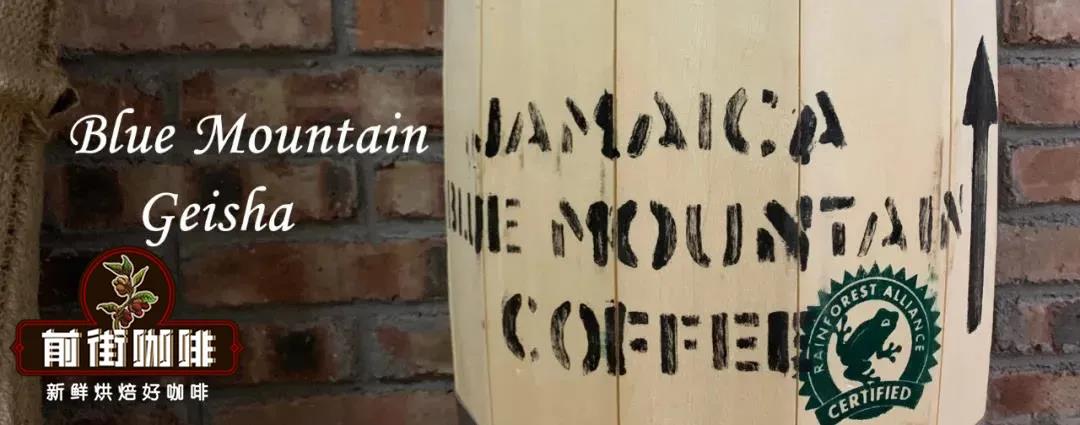
Is Medium-Roasted Jamaica Blue Mountain No. 1 Good?
Yes, medium roast brings out the best of Jamaica Blue Mountain No. 1—balanced, fruity, and smooth with low bitterness. Here’s what makes it special.
Why Jamaica Blue Mountain Coffee Is So Expensive
Learn why Jamaica Blue Mountain coffee commands premium prices, from its limited production to exclusive export markets and strict certification.

Ethiopian Coffee: Origins, Processing & Key Origins
Explore Ethiopia’s key coffee regions, processing methods, and what makes its beans distinctively bright, aromatic, and sought after worldwide.

Ecuadorian Coffee: A Taste from the Equator
Discover Ecuador’s rare dual production of Arabica and Robusta, plus the island-grown organic beans and unique highland blends.
Why Colombia Produces Some of the World’s Best Coffee
Colombia ranks third globally in coffee exports, known for its high-altitude, sun-and-rain-nurtured beans with distinct regional profiles.

How Coffee Beans Are Classified by Plant Type
Learn how coffee beans are botanically categorized, including species, plant growth, and ideal growing zones. Covers key traits like flowering and fruiting.
How to Choose High-Quality Coffee Beans in 3 Minutes
Learn how to assess freshness, roast quality, and defects when buying coffee beans for better home brewing.
From Tree to Roast: The Journey of Coffee Beans
Learn how freshly picked coffee cherries become the green beans you roast, including ideal moisture levels and freshness signs.
What Is PB Coffee and Tanzanian Peaberry?
Learn what makes Tanzanian PB (peaberry) coffee unique, how it differs from regular beans, and why it’s prized for its distinct flavor profile.