
Coffee Bean
Latest articles, industry insights and brewing guides

What Makes Honduran Coffee Unique?
Honduran coffee is known for high acidity and quality, grown mostly between 1,000 and 2,000 meters. Learn why it's ideal for blends and single origins.
Haiti Coffee: Flavor & Challenges in Caribbean Beans
Haiti produces bold, low-acid coffee mostly grown naturally due to poverty. Its beans are often blended with Jamaican Blue Mountain for depth.
Guatemalan Coffee Beans: Specialty Origins in the Americas
Discover why Guatemalan coffee beans were once world-renowned, their current challenges, and what makes them uniquely flavorful today.
The Decline of Coffee in Guadeloupe, Caribbean
Once a leading coffee producer, Guadeloupe now grows coffee on just 150 hectares due to hurricanes, land policy, and economic shifts.
Salvadoran Coffee: Mild, Balanced Beans from Central America
Discover why Salvadoran coffee is prized for its balanced flavor and high altitude grades. Learn about its history, key regions, and unique Pacamara variety.
Dominican Republic Coffee Beans: Sweet, Clean, and Balanced
Learn why Dominican Republic coffee—especially from Juncalito, Ocoa, and Barahona—is known for its sweet, clean profile and washed processing.
Cuban Coffee Explained: What Is Turquino Coffee?
Cuba’s best coffee is Turquino or Extra Turquino — a grade, not a place, with balanced flavor and moderate body. Here’s what makes it unique.
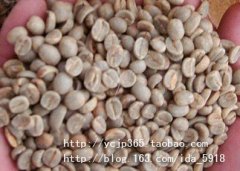
Costa Rica Coffee: Flavor & Farming in Tarrazú
Discover why Costa Rican Tarrazú coffee offers bright acidity, rich aroma, and balanced sweetness—grown at high altitudes with volcanic soil.
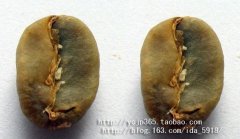
How Coffee Starts: From Green Bean to Your Cup
Learn how raw coffee beans become your favorite brew — from seed to roast, all the steps that make great specialty coffee possible.

The Basics of Coffee Bean Blending
Learn why roasters blend coffee beans, how to balance flavors, and the key steps behind crafting a balanced coffee blend.
World’s Top Specialty Coffee Origins and Their Flavors
Explore 10 global coffee-growing regions and their signature flavor profiles, from Ethiopia’s bright acidity to Jamaica’s smooth richness.
What Is the Coffee Drying Method?
The coffee drying method, also called natural processing, is the simplest and cheapest way to prepare coffee beans. It takes about four weeks.
What Is Coffee Washed Process? The Full Guide
The washed coffee process removes fruit before drying, yielding cleaner, brighter beans. Learn how it works, its pros and cons, and famous examples.

How Coffee Beans Are Ground: Grinding, Milling, and Mortar Methods
Understand the three ways to prepare coffee beans—grinding, milling, and mortar pounding—and which method gives the best results for home brewing.
How Defects in Coffee Beans Affect Your Roast and Cup
Flawed beans ruin flavor. Learn how to identify common coffee defects before roasting and why they matter more than you think.
Why Blended Coffee Beans Need Rest Before Brewing
Blended coffee beans improve in flavor after roasting. Here’s why they need a few days to settle and how long to wait.
How to Keep Coffee Beans Fresh: 3 Essential Steps
Keep your roasted coffee beans fresher for longer with three practical steps: sealing, storing, and freezing properly to slow oxidation.
How Wet Hulling Creates Sumatra’s Signature Coffee Flavor
Wet hulling, or Giling Basah, cuts drying time by removing the parchment layer early at 30–50% moisture. Learn how this Sumatran method shapes bold, earthy profiles.
How Long Do Coffee Beans and Grounds Really Last?
Freshly roasted coffee is best used within two weeks for peak flavor. Ground coffee loses aroma rapidly—use it as soon as possible.
How to Store Coffee Beans Properly
Learn how to preserve freshness in coffee beans by avoiding moisture, oxygen, and strong odors. Store roast coffee the right way.