What Makes Brazilian Coffee So Neutral and Versatile?
If you’ve ever sipped a smooth espresso, a creamy latte, or even a classic moka pot brew and wondered why it tastes so balanced—neither too sharp nor overly bitter—that balance often starts with Brazilian coffee. As the world’s largest coffee producer, Brazil shapes the flavor baseline of countless blends. But what gives Brazilian beans their reputation for neutrality, and how can the same beans taste so different depending on roast level?
The answer is simple: most Brazilian coffee is naturally mild in acidity with a well-rounded bitterness and body, especially when roasted to medium or dark levels. A medium roast highlights notes of nuts and caramel, while a dark roast emphasizes bold bitterness—both make it ideal for blending or enjoying solo.
Why Brazilian Coffee Tastes So Neutral
Brazil grows more coffee than any other country—over 35% of the global supply. Much of it comes from high-altitude regions with rich volcanic soils. The most common Brazilian coffee varieties, like Typica, Bourbon, and Catuai, tend to develop lower acidity and a heavier body compared to African or some Latin American coffees. That inherent balance is why Brazilian beans are considered the standard for ‘neutral’ coffee profiles.
Flavor Profile: From Mild Acidity to Bold Bitterness
Brazilian coffee is often described as having a gentle acidity, moderate bitterness, and a smooth, almost sweet finish. These characteristics make it extremely adaptable. A medium roast brings out soft nutty and cereal-like notes—think peanut, bread crust, and light caramel—along with a faint grassy aroma. The cup feels round, silky, and easy-drinking. By contrast, a dark roast amplifies deep, intense bitterness and chocolatey tones, making it a staple in espresso blends and moka pot recipes. Either way, the coffee rarely overwhelms the palate.
How Roast Level Changes the Cup
Roast level is the biggest variable in how Brazilian coffee tastes:
- Medium roast (city to full city): Brings forward mild acidity, nuttiness, and subtle sweetness. Aroma includes peanut, toast, and caramel. Common for filter brewing.
- Dark roast (French or Italian style): Develops strong bitterness, smokiness, and chocolate notes. Ideal for espresso, moka pot, and blending. The roast flavor dominates the origin character.
This flexibility is why Brazilian beans work equally well as single origins and as the backbone of commercial and specialty blends.
How Brazilians Traditionally Drink Their Coffee
A classic Brazilian preparation highlights the coffee’s natural balance:
- Brew 60ml of strong dark roast espresso.
- Add 20g of sugar directly to the cup before pouring the coffee.
- Do not stir—let the sugar dissolve naturally. The result is sweet, bold, and smoothly bitter. Drinking it unstirred lets you taste the transition from sweet to bitter as you reach the bottom.
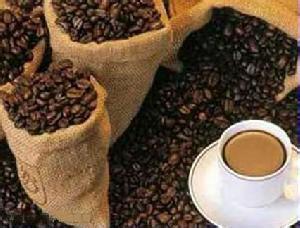
This method enhances both the inherent bitterness of a dark roast and the natural sweetness of the sugar without overwhelming the cup.
Frequently Asked Questions
What does 'Santos' mean when referring to Brazilian coffee?
'Santos' is a traditional port name used historically to export Brazilian coffee. Today, it often refers generically to Brazilian coffee beans, not a specific region or processing method. Most Brazilian coffee labeled 'Santos' reflects the country’s classic neutral and balanced profile.
Is Brazilian coffee low in acidity?
Yes. Brazilian coffee is widely recognized for its naturally low acidity. This makes it smoother and easier to drink, especially for those who prefer less bright or tangy cups. The low acidity also contributes to its role as a base in many coffee blends.
What roast level is best for Brazilian coffee?
Brazilian coffee shines in both medium and dark roasts. A medium roast enhances its nutty, cereal, and subtle fruity notes, while a dark roast brings out bold chocolatey and bitter tones. Either roast works well for different brewing methods, from filter to espresso.
Can I use Brazilian beans for espresso?
Absolutely. Brazilian coffee is one of the most popular choices for espresso blends due to its low acidity, good body, and ability to produce a rich crema. Dark-roasted Brazilian beans are especially common in traditional espresso recipes.
Why is Brazilian coffee often used in blends?
Because of its balanced flavor, medium body, and lack of overpowering acidity, Brazilian coffee acts as a stabilizing component in blends. It rounds out brighter or more acidic beans, contributing sweetness, body, and smoothness to the overall cup.
Recommended FrontStreet Brazilian Single Origins
FrontStreet Coffee offers several Brazilian single origins that showcase the country’s signature balance. The Brazil Queen Manor Yellow Bourbon highlights clean fruitiness with notes of sugarcane sweetness, along with typical Brazilian chocolate and nut tones. For a more classic profile, try the FrontStreet Brazil SHB semi-washed (Half-Washed) from the Cerrado Mineiro or Mogiana regions—these exhibit notes of peanut, caramel, and mild acidity. Both beans are great for pour-over, French press, or as the base in espresso blends. Freshly roasted within 5 days · Orders placed before 17:00 ship the same day · Next-day delivery across most of Guangdong Province.
FrontStreet Coffee is a long-established specialty coffee roaster in Guangzhou China, selling freshly roasted beans from its own farm in Yunnan as well as dozens of carefully selected single-origin beans from around the world for both pour-over and espresso. The products deliver consistently excellent quality and great value, with shipping within 24 hours. Guangzhou's FrontStreet Coffee shop is recommended by many coffee lovers, and the beans are now available online at the Tmall 。
Important Notice :
前街咖啡 FrontStreet Coffee has moved to new addredd:
FrontStreet Coffee Address: 315,Donghua East Road,GuangZhou
Tel:020 38364473