
Coffee Bean
Latest articles, industry insights and brewing guides

Why Instant Coffee Gets a Bad Rap
Instant coffee is often criticized for low-grade beans, added flavorings, and potential health risks. Here’s what science and industry data show.
Why Wild Coffee Costs More Than Gold
Discover why wild and rare coffee varieties like Jamaica Blue Mountain and Hawaiian wild coffee command prices over $250 per 50 grams.

The Three Main Coffee Species Explained
Learn how Arabica, Robusta, and Liberica differ in flavor, farming, and global production. Discover which species makes your favorite cup.

Death Wish Coffee: Is It Really Twice as Strong?
Death Wish Coffee claims double the caffeine of regular brews. Here’s what we know about its strength, sourcing, and who should — or shouldn’t — try it.

Tanzanian PB Coffee: What Is Peaberry?
Tanzanian PB (peaberry) coffee comes mostly from Mount Kilimanjaro and Mount Meru, known for bright acidity and clean washed profiles. Learn what makes PB unique.

How to Identify Fresh Coffee Green Beans
Learn how to assess green coffee freshness by moisture level, color, scent, and age. Key numbers and visual cues for specialty buyers.
What Happens to Coffee Beans Before They Reach Your Cup
Follow a Cuban coffee bean’s poetic journey from tree to cup, and learn what really happens during harvest, processing, roasting, and brewing.
What Determines Coffee Bean Quality?
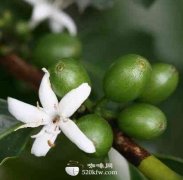
Coffee quality starts with plant variety, soil, altitude, and processing. Learn how these factors and post-harvest steps shape your cup.

Why Fresh Coffee Beans Sometimes Ooze Oil
Fresh dark roasts often look oily, while fresh light roasts don’t. Learn why oil on beans isn't always a freshness sign—and how to judge properly.
Eight Coffee Roast Levels Explained
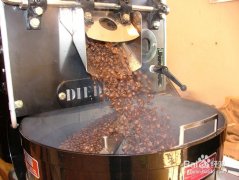
Learn how eight standard roast levels—from light to Italian—affect coffee flavor, acidity, and body. A complete guide for specialty coffee lovers.

What Are Coffee Peaberry Beans and Why Are They Special
Peaberry coffee beans—also called caracoli or Peaberry—are rare, rounded coffee beans that form when only one seed develops in the coffee cherry. Here’s what makes them different.
Anatomy of a Coffee Bean: Inside the Coffee Cherry
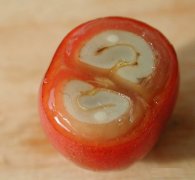
Learn how a coffee bean forms inside the cherry—from outer skin to the silvery embryo—through a detailed breakdown of each layer.
Common Coffee Defects Every Roaster Should Know
Learn how to identify 9 major coffee defects—moldy, immature, insect-damaged, and more—that ruin cup quality and how to remove them.
What Is Hand Sorting in Coffee Processing?
Hand sorting removes defective beans by hand to prevent off-flavors. It’s done twice—before and after roasting—for cleaner, better-tasting coffee.

How to Tell If Your Coffee Beans Are Fresh
Learn how to assess coffee bean freshness by smell, appearance, and sound. Discover what makes fresh beans taste better.
How Coffee Beans Are Processed: The Four Key Steps
Coffee beans go through four essential steps—pulping, fermentation, drying, and roasting—to develop their flavor. Here’s how each stage shapes your cup.
New, Past, and Aged Coffee Beans Explained
Understand the differences between current, new, past, old, and aged coffee beans. Learn how freshness affects flavor and roast performance.

Elephant Dung Coffee vs Civet Coffee: What’s the Difference?
Elephant dung coffee gained hype, but civet coffee still holds the edge. Learn how each is made, the role of animal selection, and why quality differs.
Coffee Bean Grading Terms Explained
Learn the official meanings behind common coffee bean grading terms like SHB, quakers, and floaters. Understand what affects quality and value.

Guatemala's 8 Coffee Regions and Their Flavor Profiles
Explore the distinct flavor profiles of Guatemala’s 8 coffee-growing regions, from Antigua’s elegance to San Marcos’ floral brightness.