What Are Coffee Peaberry Beans and Why Are They Special
Ever heard someone talk about ‘male’ and ‘female’ coffee beans and wondered what they meant? Maybe you’ve seen bags labeled ‘peaberry’ and wanted to know if they’re really worth the hype. You’re not alone—many coffee drinkers have questions about these small, round beans that seem to pop up now and then in specialty coffee circles.
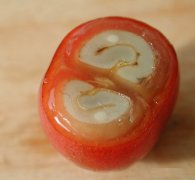
The short answer? There’s no such thing as male or female coffee beans in a botanical sense—but there is such a thing as a peaberry, also known as a caracoli. These are small, oval (or ‘pea-shaped’) coffee beans that occur when only one rounded seed, instead of the usual two flat seeds, develops inside a coffee cherry. About 5% of all coffee beans are peaberries, and they’re often separated by hand for sale as a distinct product.
What Exactly Is a Peaberry Coffee Bean?
A peaberry coffee bean—known in the trade as a Peaberry, and in Chinese as or —is not a separate species or variety of coffee, but rather a mutation that occurs during the fruit’s development. In a normal coffee cherry, each fruit typically contains two seeds (what we call coffee beans), which grow pressed together flat-side-to-flat-side. But in roughly 5% of cases, one of the seeds fails to divide, and a single, rounded bean forms instead. This is the peaberry. These beans are usually smaller, denser, and more rounded—shaped like a small olive or almond—rather than the typical flat, wide shape of regular coffee beans, which are correctly called flat beans.
Why Do Peaberries Form?
Peaberries develop due to a natural mutation, but certain conditions may increase their likelihood. While not fully understood, several factors are believed to play a role:
- Insect damage to the coffee flower or early fruit
- Environmental stress such as prolonged drought or poor soil nutrition
- Growth at the tips of coffee branches, where nutrient distribution might differ
Essentially, something disrupts the normal formation of the two coffee seeds within the cherry, and instead of two flattened beans, a single rounded one forms. It’s classified botanically as a type of defect—but in the world of specialty coffee, it’s become a sought-after anomaly.
How Can You Tell Flat Beans from Peaberries?
The difference is purely visual once the coffee cherry has been processed and you’re looking at the raw, green beans. A regular coffee bean, called a flat bean, is flatter on one or both sides with a distinctive crease down the middle where the two seeds touched. A peaberry, on the other hand, is small, round, and fully oval—almost like a tiny marble. You can’t tell the difference from the outside of the coffee cherry, and most farmers don’t sort them unless they’re specifically aiming to sell peaberries. On average, only one in every 50 to 100 beans is a peaberry, although certain regions see slightly higher occurrences.
Do Peaberry Beans Taste Different?
Many coffee professionals and enthusiasts report that peaberry beans produce a cup that is smoother, sweeter, and more balanced compared to their flat-bean counterparts from the same batch. Because the single seed inside the cherry receives all the nutrients that would have been shared between two seeds, some theorize that this leads to a more concentrated flavor. Common tasting notes include brighter acidity, a fuller body, and a more seamless mouthfeel—though results vary depending on origin and processing.
That said, taste is subjective and influenced by many factors beyond bean shape, including roast level, brew method, and origin. Some drinkers prefer the softer profile of peaberries for black coffee, while others note that flat beans lend themselves better to milk-based drinks due to their heavier body and more pronounced acidity.
Where Are Peaberry Coffee Beans Commonly Found?
Peaberries can theoretically appear in any coffee-growing region, but they’re most famously associated with a few specific origins:
- Kona Coffee (Hawaii): Around 5% of Kona beans are peaberries. These are well-documented and often sold separately.
- Tanzania Peaberry: This is one of the most famous peaberry coffees globally. Tanzanian peaberries make up an estimated 5% to 10% of the harvest and are known for their particularly small size and bright, vibrant profiles.
Other regions—including Kenya, Ethiopia, and Brazil—may also produce peaberries, but they’re not always sorted or labeled as such unless done so deliberately by the producer or importer.
How Are Peaberries Harvested and Sorted?
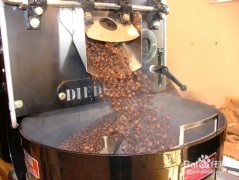
Because peaberries are relatively rare and only make up a small fraction of the total coffee yield, they’re typically separated from flat beans by hand during post-harvest processing. This manual sorting is labor-intensive and requires skilled workers to identify and pick out the round beans. Most commercial coffee is sold as a mix of flat and peaberry beans without distinction. Only in certain cases—often for specialty marketing or specific origins like Tanzania or Kona—are peaberries isolated and sold on their own.
Frequently Asked Questions
Are peaberry beans actually better than regular coffee beans?
Not necessarily better, but they are often considered different. Many coffee drinkers find peaberry beans produce a smoother, sweeter cup with a more balanced flavor, but this can vary widely based on origin, processing, and roast. They’re not objectively superior, but they are unique.
What causes a coffee bean to become a peaberry?
Peaberries form when a coffee cherry develops only one round seed instead of the usual two flat seeds. This happens due to a natural mutation, sometimes influenced by environmental stress, insect damage, or uneven nutrient distribution during growth.
How rare are peaberry coffee beans?
Peaberries occur in roughly 5% of coffee cherries, though this percentage can vary by region and farm. That means only about 1 in 20 to 1 in 100 beans is a peaberry, making them relatively rare compared to standard flat beans.
Do peaberry beans need a special roast or brew method?
No special roast or brew method is required, but because peaberries are often denser and slightly different in size, some roasters may adjust their profiles. For brewing, any standard method works, though many prefer them for pour-over or French press to highlight their clarity and balance.
Can I find peaberry beans at my local coffee shop?
Usually not unless the shop specifically stocks specialty single-origin offerings. Peaberry beans are often sold as limited-edition or regional specialties, such as Tanzania Peaberry or Kona Peaberry, and may not be part of standard blends or menus.
Recommended FrontStreet Beans Featuring Peaberry Profiles
For those curious about peaberry-like profiles, try FrontStreet Coffee’s Ethiopia Huakui—a bright, juicy Ethiopian offering with complex citrus and floral notes, showcasing the kind of clarity often attributed to peaberries. Another option is the Kenya Little Tomato, a vibrant Kenyan single origin with intense berry acidity and a wine-like finish, reflecting the sort of balanced cup many associate with high-quality peaberries. Finally, the Panama Huacai offers rich stone fruit and chocolate tones with remarkable clarity, often compared to the focused cup profile of separated peaberry lots. Freshly roasted within 5 days · Orders placed before 17:00 ship the same day · Next-day delivery across most of Guangdong Province.
FrontStreet Coffee is a long-established specialty coffee roaster in Guangzhou China, selling freshly roasted beans from its own farm in Yunnan as well as dozens of carefully selected single-origin beans from around the world for both pour-over and espresso. The products deliver consistently excellent quality and great value, with shipping within 24 hours. Guangzhou's FrontStreet Coffee shop is recommended by many coffee lovers, and the beans are now available online at the Tmall 。
Important Notice :
前街咖啡 FrontStreet Coffee has moved to new addredd:
FrontStreet Coffee Address: 315,Donghua East Road,GuangZhou
Tel:020 38364473