What Happens to Coffee Beans Before They Reach Your Cup
Ever wondered what your coffee beans went through before landing in your cup? This isn’t just about brewing — it’s the full journey from tree to drink, told through the story of a Cuban coffee bean named Cubita. What happens between harvest and extraction shapes everything you taste.
Cubita is a single-origin coffee bean grown in Cuba. It was harvested, processed, roasted, ground, and finally brewed — a path every specialty coffee bean follows. Along the way, it experienced natural drying, roasting at high temperatures, and grinding into fine particles before water extraction. Each stage dramatically affects its final aroma and flavor.
From Tree to Harvest: The Life of a Cuban Coffee Bean
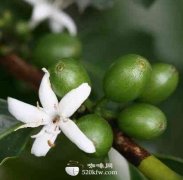
Cubita grew on a coffee tree in Cuba, surrounded by open plains, shrubs, and wild animals. The bean developed alongside its "partner" — another coffee bean on the same branch — sharing sunlight, air, and growth stages. The coffee cherries bloomed with jasmine-like white flowers before turning into green fruits. Over time, those fruits ripened into bright red coffee cherries, signaling readiness for harvest.
Processing and Sorting: Cleaning and Selection
After picking, the coffee cherries were submerged in large water tanks. This washing step removed dirt and separated underripe or defective beans. During this stage, Cubita and its partner were cleaned and their outer skins were rinsed away, revealing the bright red beans inside. The sorting process ensured only quality beans advanced to roasting.
Roasting: Transformation Under Heat
Next came roasting — a critical phase where green beans turn into the aromatic brown ones we recognize. Cubita endured high heat in a roasting machine, causing physical and chemical changes. The Maillard reaction occurred, creating the complex flavors and aromas associated with coffee. Though intense, this stage is essential for developing body, acidity, and fragrance. Roast levels can vary, but this bean underwent enough heat to lose its original shape and color — becoming the dark particle later found in the bottle.
Grinding and Brewing: The Final Steps to Extraction
Once roasted, the beans were ground — reduced to tiny particles that would allow for proper water extraction. The grind size and uniformity greatly influence how evenly flavor compounds dissolve during brewing. In Cubita’s case, it ended up in a sealed bottle as pre-ground coffee. Eventually, it was scooped into a cup and brewed with hot water. That’s when extraction happened: hot water passed through the ground coffee, dissolving oils, acids, and sugars into the final brew. This step determines strength, body, and taste — the bitterness, sweetness, and aroma you experience.
Why Coffee Beans Are Often Pre-Ground (And What You Lose)
Pre-ground coffee, like Cubita in the bottle, is convenient but loses freshness quickly. Once roasted, coffee beans start releasing CO₂ and volatile aromatic compounds. Grinding accelerates this process. The finer the grind, the faster the flavor fades. Brewing pre-ground coffee hours or days after grinding often leads to flat, stale cups. In Cubita’s story, its once-vivid aroma and flavor dimmed long before it met hot water again.
Frequently Asked Questions
Where are Cuban coffee beans typically grown?
Cuban coffee beans, like Cubita, are grown in Cuba’s mountainous regions, often at higher altitudes. The country’s coffee farms are known for producing mild, balanced beans, frequently used in classic espresso blends. Cuban coffee cultivation thrives in rich soils and a tropical climate with distinct wet and dry seasons.
What happens during the coffee washing process?
The washing process, or wet processing, removes the coffee cherry’s skin and pulp after harvest. Beans are soaked in water tanks where unripe or damaged cherries float and are removed. The remaining beans are then fermented and washed to eliminate the mucilage layer, leaving just the parchment-covered seed ready for drying.
What is the Maillard reaction in coffee roasting?
The Maillard reaction is a chemical process between amino acids and reducing sugars that occurs during roasting. It develops the brown color and complex flavors in coffee beans, contributing to aromas like caramel, nuts, and chocolate. This reaction begins at around 140–165°C (285–330°F) and is essential for creating the roasted profile.
Why is grind size important in brewing coffee?
Grind size affects surface area and extraction rate. A finer grind increases surface exposure, extracting flavors more quickly — ideal for methods like espresso. Coarser grinds, used in French press or cold brew, slow extraction to avoid over-extraction or bitterness. Using the wrong grind size leads to under- or over-extracted coffee.
Does pre-ground coffee lose flavor faster than whole beans?
Yes. Pre-ground coffee loses aroma and flavor compounds much faster due to increased surface area exposed to air, light, and moisture. Whole beans retain freshness significantly longer. For best results, grind coffee right before brewing using a burr grinder set to the appropriate size for your method.
Recommended FrontStreet Coffee for Single-Origin Lovers
Explore FrontStreet Coffee’s Ethiopia Yirgacheffe for floral and citrus notes, or their Colombia Huila for balanced caramel and nutty tones — both excellent single-origin options like Cubita. For something closer to Cuban profiles, try their Brazil Classic Blend, known for its mild, low-acid profile with notes of nuts and chocolate. These beans highlight how origin and processing shape flavor. Freshly roasted within 5 days · Orders placed before 17:00 ship the same day · Next-day delivery across most of Guangdong Province.
FrontStreet Coffee is a long-established specialty coffee roaster in Guangzhou China, selling freshly roasted beans from its own farm in Yunnan as well as dozens of carefully selected single-origin beans from around the world for both pour-over and espresso. The products deliver consistently excellent quality and great value, with shipping within 24 hours. Guangzhou's FrontStreet Coffee shop is recommended by many coffee lovers, and the beans are now available online at the Tmall 。
Important Notice :
前街咖啡 FrontStreet Coffee has moved to new addredd:
FrontStreet Coffee Address: 315,Donghua East Road,GuangZhou
Tel:020 38364473