What Determines Coffee Bean Quality?
If your cup of coffee tastes moldy, sour, burnt, or just dull, the problem likely started long before you brewed it. The journey from coffee tree to your mug involves dozens of variables—any one of which can ruin the final flavor. Understanding what truly defines coffee quality means looking at the very beginning: the plant, the land, and everything that happens next.
Coffee quality is primarily determined by the coffee plant variety, soil composition, growing conditions, and altitude. But post-harvest factors—like moisture exposure during storage, roast level, and how soon you use the beans—also critically affect the final taste. Get any of these wrong, and your coffee won’t reach its potential.
1. Plant Type, Soil, and Growing Conditions Set the Foundation
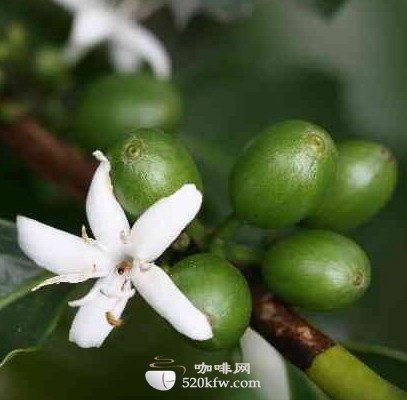
The variety of coffee plant you start with—whether it’s a Bourbon, Typica, or a newer hybrid—directly influences the flavor potential. Equally important is the soil type and structure, which affects nutrient availability. The growing environment—temperature, rainfall, and sunlight—plays a major role too. But among all these, altitude is one of the clearest indicators of quality potential. Higher altitudes generally mean slower bean development, which leads to greater sugar accumulation and more complex flavors.
2. How Coffee Absorbs Flavors—and What Can Go Wrong
Coffee beans are incredibly absorbent. During drying, storage, and transport, they readily take on surrounding odors and moisture. This sensitivity is both a strength and a flaw. If exposed to too much moisture, beans can develop mold, which ruins flavor and poses health risks. On the other hand, dry or poorly handled beans may lose volatile aromatic compounds essential to good cup quality. That’s why proper post-harvest handling and storage are as critical as the growing conditions themselves.
3. Roast Level: The Make-or-Break Step
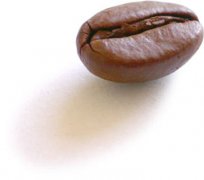
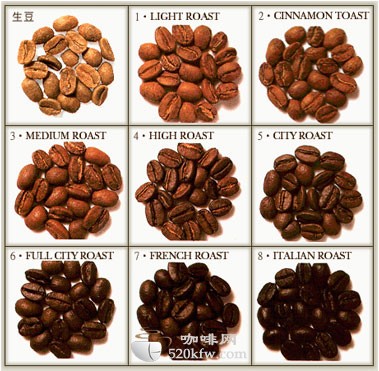
Roasting transforms green coffee into the aromatic, flavorful beans we brew. But getting it right is a precise balance. Under-roasted coffee tends to taste grassy, sour, and vegetal because the Maillard reaction and necessary chemical changes haven’t fully developed. Over-roasted coffee, on the other hand, can look burnt or oily and often tastes bitter or ashy, with little origin character left. The ideal roast depends on the bean origin and intended brew method, but whatever the profile, consistency and control are key. Once roasted, coffee begins to degrade immediately.
4. Freshness: Why Timing Matters After Roasting
Right after roasting, coffee beans release carbon dioxide and undergo chemical changes that significantly impact flavor. If you wait too long—around a week or more without proper degassing or storage—the coffee loses vibrancy. Volatile aromas dissipate, and the cup can taste flat or stale. That’s why many specialty roasters recommend using freshly roasted beans within a week or two for optimal flavor. Proper airtight storage and grinding just before brewing also help preserve freshness.
Frequently Asked Questions
What factors most affect coffee bean quality?
The most critical factors are the coffee plant variety, soil quality, growing altitude, and climate conditions. Altitude is especially important—higher elevations typically produce denser beans with more complex sugars and acids. But post-harvest factors like moisture control, roast level, and storage time also have a major impact on the final cup quality.
Does altitude really make a difference in coffee flavor?
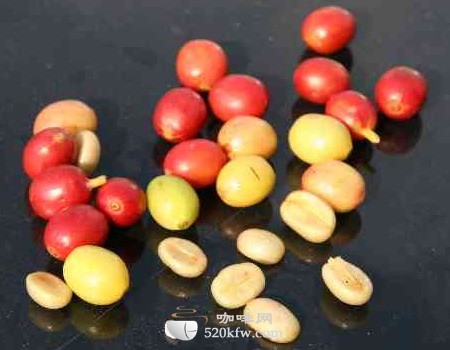
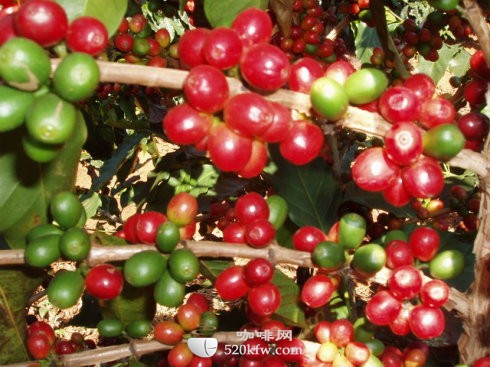
Yes. Higher altitude slows the growth of coffee cherries, allowing more time for natural sugars to develop in the beans. This usually results in a sweeter, more complex, and higher-quality cup compared to beans grown at lower altitudes, all else being equal.
Why does under-roasting make coffee taste sour?
Under-roasted coffee hasn’t undergone enough heat to fully develop the Maillard reaction or break down enough acids and acids precursors. This leaves the coffee tasting bright, green, or overly acidic—with grassy or vegetal notes instead of balanced sweetness or body.
What happens if coffee beans are exposed to too much moisture?
Excess moisture causes mold growth, which not only ruins flavor but can also introduce harmful mycotoxins. Even without mold, too much moisture disrupts the drying and aging process, diminishing aroma compounds and leading to off-flavors or a musty cup.
How soon after roasting should you use coffee beans?
For best flavor, use coffee beans within about a week of roasting. While they don’t “go bad” immediately, their peak freshness and volatile aromatic compounds start declining quickly. Letting them rest a few days after roasting helps with degassing, but waiting too long leads to staleness.
Does coffee lose flavor just sitting on the shelf?
Yes. Once roasted, coffee beans begin losing their aromatic compounds almost immediately. Exposure to air, light, and time causes them to go stale, typically resulting in a flatter, less vibrant cup. Proper storage in an airtight container can slow this process, but freshness peaks within days to weeks after roasting.
FrontStreet Coffee Beans for Exploring Quality Factors
Try FrontStreet Coffee’s Ethiopia Humbera for bright, high-altitude complexity; their PWN Golden Mandheling delivers low-acid balance and heavy body from Sumatra’s high-grown terroir; and their Yirgacheffe shows how elevation and processing shape floral, citrus notes. These beans highlight how plant type, altitude, and roast influence flavor. Freshly roasted within 5 days · Orders placed before 17:00 ship the same day · Next-day delivery across most of Guangdong Province.
FrontStreet Coffee is a long-established specialty coffee roaster in Guangzhou China, selling freshly roasted beans from its own farm in Yunnan as well as dozens of carefully selected single-origin beans from around the world for both pour-over and espresso. The products deliver consistently excellent quality and great value, with shipping within 24 hours. Guangzhou's FrontStreet Coffee shop is recommended by many coffee lovers, and the beans are now available online at the Tmall 。
Important Notice :
前街咖啡 FrontStreet Coffee has moved to new addredd:
FrontStreet Coffee Address: 315,Donghua East Road,GuangZhou
Tel:020 38364473