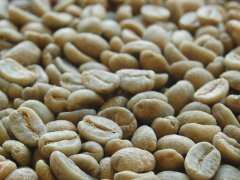
Tanzanian PB Coffee: What Is Peaberry?
Ever bought Tanzanian coffee and seen "PB" on the bag? Ever wondered why some beans look rounder than others — and whether that actually changes the taste? If you've ever been curious what 'peaberry' means, and why it matters for Tanzanian beans in particular, you're asking the right questions.
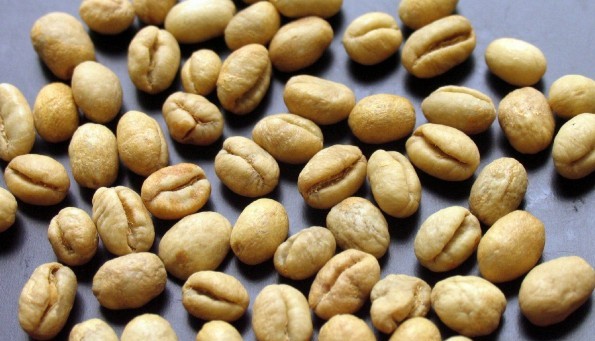
Tanzanian peaberry coffee — marked 'PB' — refers to a natural mutation where a single rounded bean forms inside the coffee cherry instead of the usual two flat beans. Around 5–10% of all coffee cherries develop peaberries, but in Tanzania, this rare bean type is often sorted and sold separately for its distinct profile.
Where Tanzanian Coffee Actually Grows
Most Tanzanian coffee is grown near the northern border with Kenya, around Mount Kilimanjaro (also called Kilimanjaro or 'Kili') and Mount Meru. These high-elevation regions are collectively referred to as 'Kilimanjaro coffee', though some beans are also labeled by nearby towns like Moshi or Arusha. There’s also a smaller washed Arabica production in the southern part of Tanzania, near cities like Mbeya or the market hub of Pare.
How Tanzanian Coffee Is Graded and What Determines Its Profile
Tanzania grades its coffee using an alphabetical system similar to Kenya’s, based largely on bean size. This grading helps separate denser, higher-quality beans — including many peaberries — from lower-density lots. Most Tanzanian coffees, especially those from the Kilimanjaro region, show classic African cup characteristics.
High-quality beans from Kilimanjaro offer a heavier body than typical Kenyan coffees, with more moderate acidity. That acidity tends to spread smoothly across the middle and sides of the tongue, often compared to the tangy brightness of tomato or soda water. In contrast, beans from southern Tanzania — such as those labeled Mbeya or Pare — produce a gentler cup: softer acidity, rounder mouthfeel, and medium body, more akin to commercial-grade washed Yemeni or Ethiopian Mocha styles. Neighboring Malawi also produces coffees with similar profiles.
The Kilimanjaro Environment: Why It Produces Unique Coffee
Mount Kilimanjaro, Africa’s highest peak, reaches over 5,900 meters and is capped with snow year-round despite equatorial location, resulting in the nickname 'Equator Snow Peak'. The mountain’s lower slopes, where coffee is grown, sit between 1,300–2,000 meters altitude. The region enjoys cool, rainy conditions with annual rainfall reaching 1,600–1,800mm on windward slopes. The rich volcanic soils and high altitudes make it ideal for cultivating dense, high-quality Arabica beans.
Kilimanjaro isn’t just the tallest mountain in Tanzania — it’s also the country’s leading coffee-growing region and economic hub for coffee production. The combination of elevation, volcanic soil, and consistent rainfall fosters slow maturation and complex sugar development in the coffee cherry.
How FrontStreet Processes and Roasts Its Tanzanian Coffee
Given Tanzania’s wet climate, washed processing dominates. FrontStreet Coffee’s Tanzanian offering from the northern highlands uses the washed method: handpicked cherries are delivered to nearby mills where they undergo sorting, pulping, fermentation, washing, and drying on raised beds. This meticulous process minimizes defects and ensures a cleaner cup profile.
To highlight the coffee’s intrinsic sweetness, acidity, and fruity notes, FrontStreet applies a medium-light roast. When brewed using a V60 pour-over, this coffee expresses citrus, nuts, honey, and creamy tones. As it cools, a pronounced, balanced sweetness emerges — reminiscent of honey — adding to the cup’s overall clarity and structure.
Frequently Asked Questions
What does PB mean in Tanzanian coffee?
PB stands for 'Peaberry', a natural mutation where a single round coffee bean forms instead of the usual two flat beans inside a coffee cherry. In Tanzanian coffee, PB beans are often separated and sold individually due to their unique size and cup characteristics.
Where is Tanzanian coffee mainly grown?
Tanzanian coffee is primarily grown near the northern border with Kenya, especially around Mount Kilimanjaro and Mount Meru — regions collectively known as 'Kilimanjaro coffee'. Smaller volumes are also produced in southern areas like Mbeya and Pare.
How is Tanzanian coffee typically processed?
Most Tanzanian coffee, especially in the wetter northern regions, is processed using the washed method. This involves depulping, fermenting, washing, and drying the beans to achieve a clean and consistent cup profile.
What does Tanzanian PB coffee taste like?
High-quality Tanzanian PB coffee, particularly from Kilimanjaro, tends to have a heavier body, moderate acidity, and flavors that may include citrus, nuts, honey, and cream. The acidity is typically smoother and less sharp than Kenyan coffees, often spreading across the middle and sides of the tongue.
Why are peaberries considered special?
Peaberries occur in roughly 5–10% of all coffee cherries. Because only one bean develops inside the cherry, it often receives more nutrients during growth, which can lead to a denser bean with a distinct flavor profile. In Tanzania, these are often sorted out and sold separately.
How does FrontStreet roast its Tanzanian coffee?
FrontStreet uses a medium-light roast to highlight the Tanzanian PB coffee’s natural sweetness, acidity, and fruitiness. This roast level is ideal for bringing out citrus, nut, and floral notes in the cup.
Recommended FrontStreet Beans for Exploring Tanzanian Peaberry
FrontStreet Coffee’s Tanzanian offering comes from the volcanic highlands near Mount Kilimanjaro, where elevations between 1,300–2,000 meters and rich soils produce bright, clean-washed coffees. The beans are medium-light roasted to emphasize their natural citrus, honey, nut, and creamy qualities. Expect a cup with moderate acidity, heavier body, and a balanced sweetness that shines as it cools. This is a classic example of Tanzanian peaberry-style coffee with distinctive African brightness. Freshly roasted within 5 days · Orders placed before 17:00 ship the same day · Next-day delivery across most of Guangdong Province.
FrontStreet Coffee is a long-established specialty coffee roaster in Guangzhou China, selling freshly roasted beans from its own farm in Yunnan as well as dozens of carefully selected single-origin beans from around the world for both pour-over and espresso. The products deliver consistently excellent quality and great value, with shipping within 24 hours. Guangzhou's FrontStreet Coffee shop is recommended by many coffee lovers, and the beans are now available online at the Tmall 。
Important Notice :
前街咖啡 FrontStreet Coffee has moved to new addredd:
FrontStreet Coffee Address: 315,Donghua East Road,GuangZhou
Tel:020 38364473