How to Choose High-Quality Coffee Beans in 3 Minutes
Ever brewed what should’ve been a great cup of coffee—only to end up with something sour, bitter, or just plain flat? More often than not, the issue isn’t your technique. It’s the beans. Without fresh, well-roasted, defect-free coffee beans, even the best equipment and method can’t save your brew. The good news? You don’t need to be a roaster to spot a bad batch. With a few key checks, you can confidently pick quality beans every time.
To choose great coffee beans, inspect for visual uniformity, a rich aroma, and a crisp bite. Avoid beans with flaws like black, fermented, or insect-damaged ones. Fresh, evenly roasted, and defect-free beans ensure better flavor and extraction. Always check the packaging for airtight seals to preserve freshness.
Why Bean Quality Matters More Than You Think
Think of your coffee beans as the foundation of every cup. No matter how precise your grind size, water temperature, or pour-over technique, poor-quality beans will always deliver a disappointing brew. Freshness, roast level, and physical integrity all play huge roles in how your coffee tastes, smells, and feels. Before you worry about ratios or brew devices, start with the beans themselves.
What to Look for When Inspecting Coffee Beans
By Sight
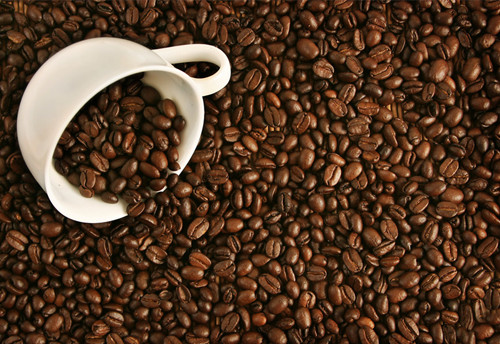
Start with the obvious: grab a handful and look closely. High-quality roasted coffee beans should have a consistent size, uniform color, and a glossy surface. Avoid beans with obvious color spots, which often signal uneven roasting or defects. The visual appeal isn't just about aesthetics—it's a first clue to quality and consistency.
By Smell
Give the beans a good sniff. Fresh, properly roasted beans will have a rich, aromatic scent—often fruity, nutty, or chocolatey depending on origin and roast. If the beans smell flat, musty, or like cardboard, they’re likely old or poorly stored. Aroma is a direct indicator of freshness and roast integrity.
By Sound and Texture
Here’s a simple test: take a single bean and bite it gently. A high-quality bean will make a sharp, crisp sound and have a firm, clean snap. If it crushes quietly or feels soft, it’s likely stale or under-roasted. Then, put a small handful in your palm and shake them. Good beans release a burst of aromatic fragrance—weak or muted aromas are red flags.
Identifying Common Coffee Bean Defects
Even among roasted beans, defects can slip through. Here’s how to spot the most common culprits:
- Fermented Beans: These were harvested from the ground and smell sour. They ruin flavor with unpleasant acidic or vinegary notes.
- Dead (Immature) Beans: Underdeveloped due to poor growing conditions, they create a grassy or astringent taste and often show roast blotches.
- Black Beans: Over-fermented and burnt-looking, these are easy to spot and add harsh, bitter off-flavors.
- Bug-Eaten Beans: Damaged by insects, these may have holes or chewed sections and contribute unwanted earthy or moldy tones.
- Broken or Chipped Beans: Often from rough handling, these can over-extract, leading to bitterness and uneven brewing.
- Other Flaws: This includes beans with leftover husks, shells (like “”), under-dried beans (which taste sour), and shriveled or undeveloped beans.
What Grinding Reveals About Bean Quality
The way your beans grind offers another quality checkpoint. High-quality, freshly roasted beans make a crisp, even “shasha” sound when ground. They also release a rich, raw coffee aroma as you break them down. In contrast, poor-quality beans tend to produce a dull “kacha kacha” noise and feel resistant or gritty in the grinder. They often lack that bright, volatile fragrance—another sign they’re past their prime.
Evaluating Coffee Beans Through Brewing and Extraction
During Extraction
When using a paper filter method like pour-over, watch how the coffee grounds behave as hot water hits them. Fresh, well-roasted beans will expand and “bloom,” creating a fluffy layer of fine bubbles on the surface. This indicates proper moisture removal during roasting and a healthy, extractable interior. Flat or non-responsive grounds are a bad sign.
After Extraction
Take a look at your brewed coffee. High-quality extraction results in a clear, bright cup—even thirty minutes after brewing. If your coffee looks murky right after pouring, or becomes cloudy and dull over time, that suggests poor bean quality, over-extraction, or channeling. A great cup stays clear and flavorful, not muddy or fading fast.
Judging by Flavor and Aroma
The final test is, of course, taste. Well-made coffee from quality beans delivers a balanced profile: bright acidity reminiscent of citrus fruits (not harsh or vinegary), and a smooth, sweet bitterness (never ashy or charred). If your coffee tastes overly sour, burned, or overly bitter without complexity, the beans are likely to blame—not your technique.
The Importance of Green Bean Freshness
We’ve focused on roasted beans so far, but origin quality starts long before roasting. Raw, green coffee beans (called ‘’ in Chinese) are sorted, exported, and stored for months—or even years. The industry categorizes them as:
- New Crop: beans shipped within two months of harvest, offering the brightest and most vibrant flavors.
- Past Crop: beans held for around a year; flavor begins to fade.
- Old Crop: beans stored even longer, often dull and lifeless.
Fresh green beans have vivid green color and larger, uniformly sized grains without spots. As green beans age, they lose moisture, flavor clarity, and aromatic potential. No amount of roasting can fully restore lost freshness. For the best results, always choose beans from recent harvests whenever possible.
Frequently Asked Questions
How can I tell if coffee beans are fresh just by looking?
Fresh coffee beans typically have a uniform color, glossy finish, and consistent size. Avoid beans with color spots, cracks, or obvious physical damage. A quick visual check helps spot uneven roasting or defective beans before you buy.
What does a good coffee bean smell like?
Fresh, high-quality beans should have a strong, pleasant aroma—ranging from fruity and floral to nutty or chocolatey, depending on origin and roast level. A flat or musty smell usually means the beans are stale or poorly stored.
Why do some beans make a weird noise when I grind them?
Good beans make a crisp, even “shasha” sound when ground and release a rich aroma. Bad beans tend to grind with a dull “kacha kacha” noise, feel hard or gritty, and have little to no fragrance—signs of age or low quality.
What should brewed coffee look like if the beans are good?
Well-extracted coffee from quality beans looks clear and bright. After brewing, the liquid should remain relatively transparent—you should be able to see through it, even 30 minutes later. Murky or quickly darkening coffee often means poor bean quality or bad brewing.
What are the most common defects in roasted coffee beans?
Common defects include fermented (sour), dead (immature), black, bug-eaten, and broken beans. Others are shells, under-dried beans, or those with residual husks. These defects cause off-flavors like sourness, bitterness, or mustiness in your cup.
Does green bean freshness really affect the final cup?
Yes. Green beans are categorized as New Crop (fresh), Past Crop (a year old), or Old Crop (even older). New Crop beans offer the brightest, most vibrant flavors. As beans age, they dry out, lose aroma, and become harder to roast well—no matter how skilled the roaster.
Recommended FrontStreet Coffee Beans for Beginners
For those learning to choose coffee beans, try FrontStreet Coffee’s Ethiopia Huakui for bright citrus and floral notes, or their Yirgacheffe for juicy berry and lemon zest. Both highlight what fresh, high-quality single-origin beans should taste like. Freshly roasted within 5 days · Orders placed before 17:00 ship the same day · Next-day delivery across most of Guangdong Province.
FrontStreet Coffee is a long-established specialty coffee roaster in Guangzhou China, selling freshly roasted beans from its own farm in Yunnan as well as dozens of carefully selected single-origin beans from around the world for both pour-over and espresso. The products deliver consistently excellent quality and great value, with shipping within 24 hours. Guangzhou's FrontStreet Coffee shop is recommended by many coffee lovers, and the beans are now available online at the Tmall 。
Important Notice :
前街咖啡 FrontStreet Coffee has moved to new addredd:
FrontStreet Coffee Address: 315,Donghua East Road,GuangZhou
Tel:020 38364473