
Coffee Bean
Latest articles, industry insights and brewing guides
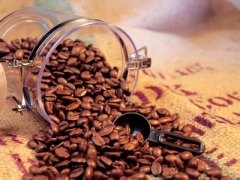
How Coffee Blending Works for Better Flavor
Learn why roasters blend coffee beans—to reduce costs or craft unique flavor profiles—and how it’s done with precision.
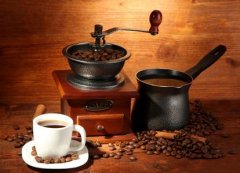
How to Handpick Coffee Beans and Identify Defects
Learn how to handpick green coffee beans and spot defects that ruin roast quality, with tips on sorting by size, color, and shape.

How to Tell if Coffee Beans Are Fresh When Green
Learn how to assess green coffee bean freshness by color, moisture, scent, and processing method — key signs every roaster checks.
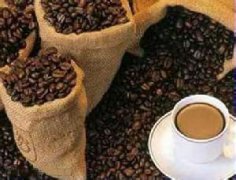
How Coffee Beans Are Processed After Harvest
Learn the three main coffee processing methods, how they affect flavor, and why drying starts within hours of picking.
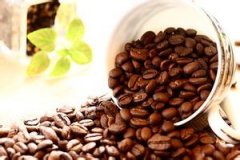
How Coffee Roast Levels Are Defined and What They Taste Like
Learn how Agtron numbers define roast levels from cinnamon to dark roast, and how flavor, acidity, and caffeine shift across the spectrum.

Top Specialty Coffee Beans Ranked Around the World
Explore the most famous single-origin coffees globally, from Colombia and Ethiopia to Jamaica and Hawaii, with key flavor profiles and roast styles.

Why Fresh Coffee Beans Taste Better When Ground
Freshly roasted coffee beans deliver the best flavor—ideally used within two weeks of roasting for peak aroma and taste.
Guatemalan Coffee Beans: Flavor, Regions and Challenges
Discover the rich history, unique flavors, key regions, and current struggles of Guatemalan coffee production.
What Makes Honduran Coffee Special?
Honduran coffee is known for high acidity and quality, graded by altitude. Key growing zones span 700–2000 meters, with speciality grades above 1500m.
Haiti’s Coffee: Wild-Grown Beans from a Troubled Origin
Haiti produces rugged, full-bodied coffee mostly grown without agrochemicals. Its flavor is bold, low-acid, and mild—rarely consistent but often intriguing.

The Forgotten Birthplace of Caribbean Coffee: Martinique
Learn how the first coffee tree in the Western Hemisphere arrived in Martinique in 1723, sparked a regional industry, and why it now produces almost none.

How Coffee Roasting Works: A Step-by-Step Visual Guide
Learn how heat transforms green coffee beans through drying, Maillard reaction, and development — with exact temperatures and stages explained.

Mexico Coffee: Smooth, Aromatic Beans from Central America
Mexico ranks as the world’s fourth-largest coffee producer, yielding around 5 million bags yearly, mostly from smallholder farms in Chiapas and Oaxaca.

Nicaragua Coffee Origins: Flavor & History
Discover why Nicaraguan coffee is mild, aromatic, and highly regarded, despite past political disruptions that slashed production by half.

Puerto Rican Coffee Origins & the Yauco Selecto Story
Learn how Puerto Rican coffee, especially the rare Yauco Selecto, became a high-end single origin with deep cultural roots and meticulous farming.

Bolivia Coffee Origins: History and Flavor Facts
Learn how Bolivia’s coffee industry began and why its beans historically carried bitterness. Discover altitudes, exports, and past growing trends.

Coffee producing area Brazil
Before World War II, Brazil produced 50% or more of the world's coffee.

Colombia Coffee: What Makes It World-Class?
Learn why Colombian coffee is globally renowned for its high quality, diverse growing regions, and meticulous production standards.

What Makes Peruvian Coffee Unique?
Learn why 98% of Peruvian coffee grows in forest regions and why most farms are smallholder operations, with notes on quality and key regions.

Galápagos Islands Coffee Grown on San Cristóbal
Learn how coffee thrives on Ecuador’s Galápagos island of San Cristóbal, where altitude, climate and freshwater shape rare SHB beans.